

Acura TSX Mass Air Flow Sensor Guide for 2009-2014 Models
If your TSX is running rough, hesitating, or getting bad gas mileage, the MAF sensor is a likely suspect.
- For reliable performance, choose an OEM-equivalent brand like Denso or Hitachi for your TSX.
- A bad MAF sensor will cause poor performance, bad fuel economy, and will make you fail an emissions test.
- Replacement is extremely easy and can be done in minutes with a screwdriver, making it a great DIY repair.
- Before replacing, try cleaning the sensor with a dedicated MAF cleaner spray as it may just be dirty.
Is Your TSX MAF Sensor Failing?

A bad Mass Air Flow (MAF) sensor can cause a lot of headaches. It won't always leave you stranded, but it will make your 2009-2014 Acura TSX run poorly. Because this sensor is so important for controlling the air-to-fuel ratio, a faulty one can cause noticeable problems, hurt your fuel economy, and even damage other expensive parts like the catalytic converter over time.
Common Symptoms of a Bad MAF Sensor:
- Check Engine Light: This is the most common sign. The light will turn on, and a code scan will likely show codes like P0101, P0102, or P0103. 🎬 Watch: Understanding P0101 codes, limp mode, and hesitation issues.
- Rough Idle: The engine may shake or vibrate when you're stopped at a light. 🎬 Watch: How cleaning your MAF sensor can fix rough idles. In some cases, it might even stall.
- Poor Acceleration and Hesitation: Your TSX might feel sluggish, hesitate, or jerk when you press the gas pedal. This can be dangerous when trying to merge into traffic.
- Bad Fuel Economy: If the sensor is telling the computer there's more or less air than there actually is, the engine will use too much or too little fuel. You'll likely notice you're filling up the gas tank more often.
- Black Smoke from Exhaust: This is a sign the engine is running too rich (too much fuel), which can be caused by a bad MAF sensor reading. This unburned fuel can damage your catalytic converter.
Pro Tip: Try Cleaning It First
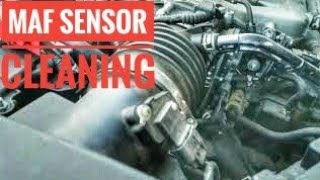
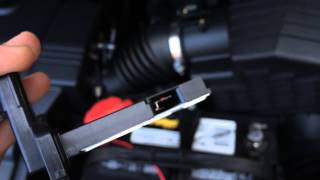
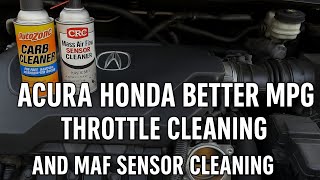
Sometimes the sensor isn't broken, it's just dirty. Oil from some aftermarket air filters or general grime can coat the sensitive wire. Before buying a new one, you can try cleaning it with a dedicated MAF sensor cleaner spray. Do not touch the internal wires. 🎬 See this step-by-step guide on cleaning your sensor safely. This simple step can sometimes solve the problem and save you money.
Choosing the Right Aftermarket MAF Sensor

When it comes to electronic sensors for Honda and Acura vehicles, quality matters a lot. The engine computer is calibrated to expect very specific signals from the MAF sensor. Using a cheap, poorly made aftermarket sensor can often cause more problems than it solves, leading to continued performance issues even after the part is replaced.
Brand Quality Tiers for Your TSX:
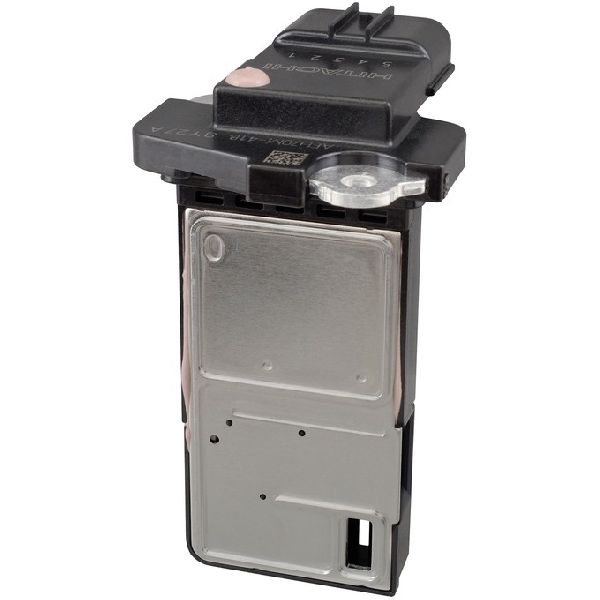
- Top Tier (OEM-Equivalent): Brands like Denso and Hitachi are original equipment manufacturers for Honda/Acura. Choosing one of these is the safest bet for a new aftermarket part. They are engineered to the exact specifications your TSX needs and are highly recommended by Acura specialists and enthusiasts.
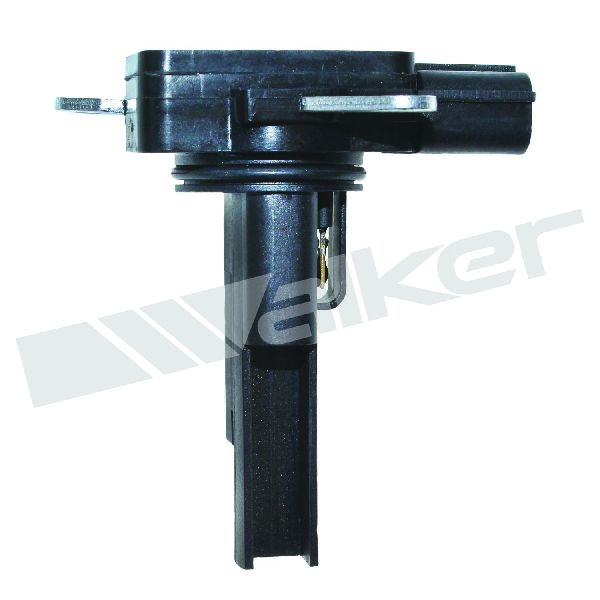
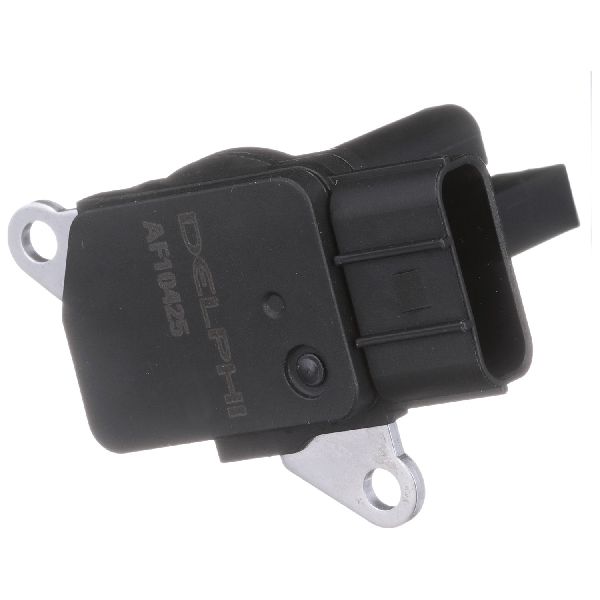
- Reputable Aftermarket Tier: Brands such as Delphi, NGK, Standard Ignition (SMP), and Walker Products have a solid reputation for producing quality engine management parts. While not the original supplier, they are generally considered reliable alternatives if a top-tier brand is not available.
- Economy Tier (Use With Caution): Lower-cost brands like Cardone, Spectra, DriveWire, and others are widely available. While the price is tempting, be aware that these parts have a higher chance of being improperly calibrated for your TSX's sensitive engine computer. This can result in persistent check engine lights, poor performance, and a short service life. It is often better to buy a used OEM sensor than a new, low-quality aftermarket one.
How Much Does a New MAF Sensor Cost?
The cost can vary widely based on the brand you choose. Installation is very simple, so DIY replacement is a great way to save money.
| Part Type | Estimated Cost |
|---|---|
| New OEM (from dealer) | $250 - $450 |
| New Aftermarket (Top Tier) | $100 - $160 |
| New Aftermarket (Economy) | $60 - $100 |
| Shop Labor | $40 - $60 |
Note: Prices are estimates and can vary based on location and supplier.
Frequently Asked Questions

Is the MAF sensor the same for the 4-cylinder and V6 TSX?
No, they use different part numbers. The 2.4L 4-cylinder engine typically uses OEM part number 37980-RLF-013. The 3.5L V6 engine uses OEM part number 37980-RNA-A01. Always confirm the part number for your specific engine before purchasing.
Can I install the MAF sensor myself?
Yes, this is one of the easiest parts to replace on your TSX. It is located on the air intake tube, held in by two screws and an electrical connector. The entire job can be done in less than 15 minutes with just a Phillips screwdriver.
Are there any recalls for the TSX MAF sensor?
No. There are no recalls or common Technical Service Bulletins (TSBs) issued by Acura or the NHTSA for Mass Air Flow sensor failure on the 2009-2014 Acura TSX.
What happens if I ignore a bad MAF sensor?
Driving for a long time with a bad MAF sensor is not recommended. The incorrect air-fuel mixture can lead to long-term damage to your spark plugs and, more importantly, your catalytic converter, which is a very expensive repair. Your car will also fail an emissions test.
Helpful Videos
Technical Specifications
OEM Part Numbers: 37980-RLF-013 (for 2.4L L4) 37980-R40-A01 (for 2.4L L4) 37980-RNA-A01 (for 3.5L V6) 37980-RV0-A01 (for 3.5L V6)
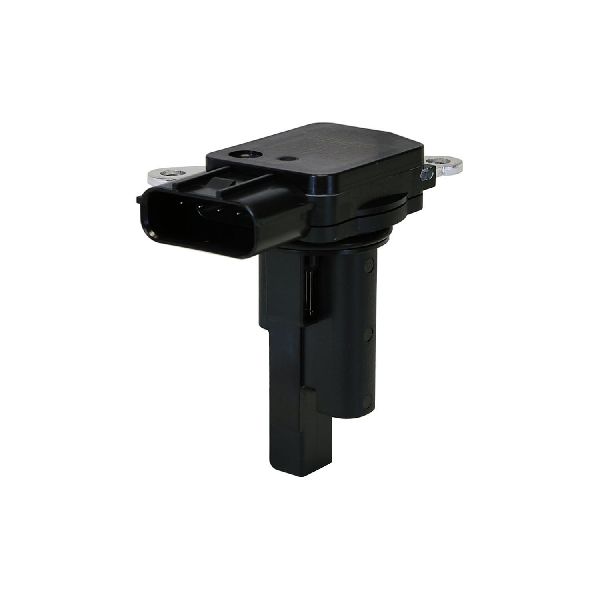
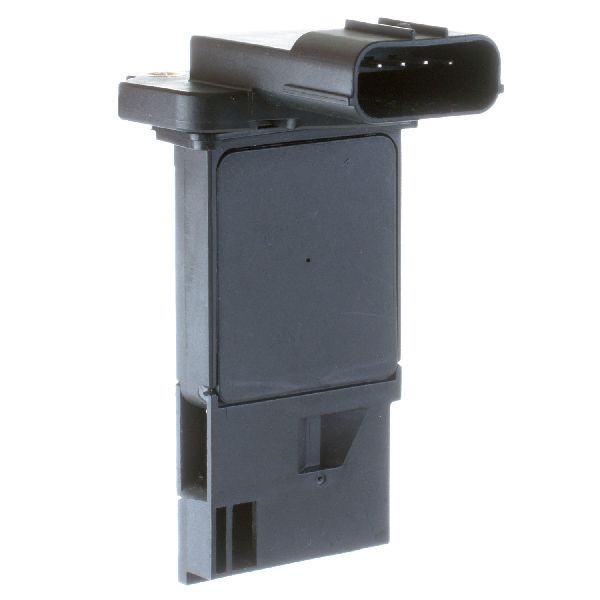
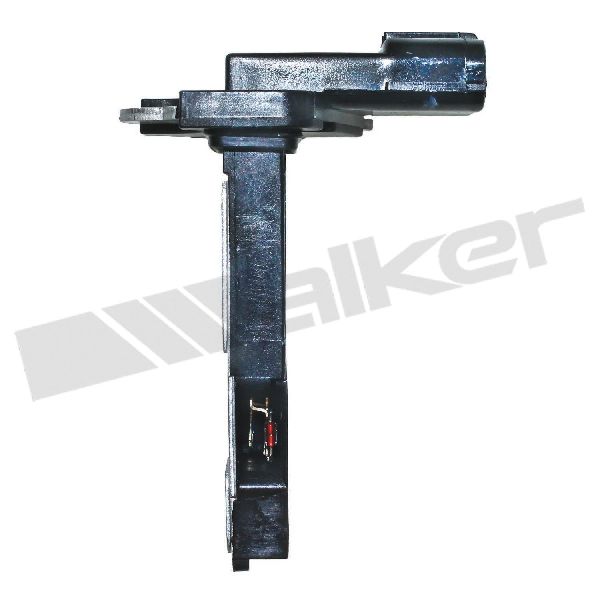
Bolt-on sensor with a 5-pin rectangular female connector. Mounts to the air intake duct after the air filter housing.
We Have This Part in Stock

The information in this article is provided for general reference and educational purposes only. Vehicle specifications, procedures, and part compatibility can vary by production date, trim level, and region. Always consult your vehicle's factory service manual and verify part numbers before purchasing or performing repairs. Safety-critical components such as airbags, seat belts, and braking systems should be installed by a qualified professional.
- Acura TSX: