

A Ford Mechanic's Guide to the 2009-2014 E-150 Power Steering Pump
Steering getting noisy or stiff? Here’s what you need to know before replacing your E-150's power steering pump.
- A whining noise that changes with engine RPM is the most common symptom of a failing pump.
- Always flush the power steering system and replace the reservoir when installing a new pump to prevent immediate damage.
- Use only Motorcraft MERCON V fluid; the wrong fluid type can cause system failure.
- Before replacing the pump, rule out a binding intermediate steering shaft or a steering gear issue (TSB 09-20-7), which can cause similar symptoms.
Is Your E-150 Power Steering Pump Failing?
A bad power steering pump on your Ford E-150 will give you clear warning signs. Paying attention to these symptoms can prevent a sudden loss of steering assist, which can be dangerous.
Common Failure Symptoms:
- Whining Noise: The most common sign is a whining or groaning sound from the engine bay that gets louder when you turn the steering wheel or rev the engine. This is often caused by low fluid or air in the system.
- Stiff Steering: If turning the wheel suddenly feels like a workout, especially when parking or moving slowly, the pump is not providing enough pressure.
- Slow Response: A delay between when you turn the wheel and when the van responds is a serious safety issue caused by a weak pump.
- Fluid Leaks: Finding reddish or light brown puddles under the front of your van points to a leak. The pump itself has seals that can wear out and leak over time.
Check for Other Steering Issues First
For 2008-2010 E-150s, Ford issued Technical Service Bulletin (TSB) 09-20-7 for steering "wander" or free play. This issue is related to the steering gear adjustment, not the pump itself, but can feel like a steering problem. Also, on similar Ford trucks, a binding intermediate steering shaft can make steering feel stiff, mimicking a bad pump. 🎬 Watch: How to diagnose steering binding versus a bad pump. It's wise to have a mechanic check these less expensive possibilities before replacing the entire pump.
Choosing a New Aftermarket Pump: OEM vs. Aftermarket
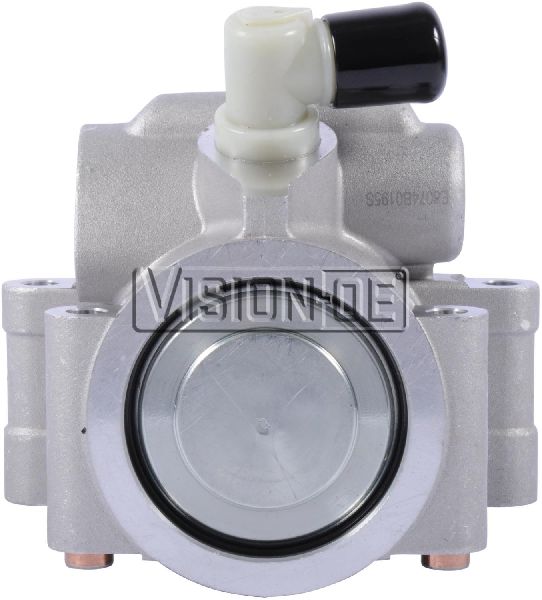
When replacing your pump, you have options. An Original Equipment (OEM) pump from Ford (Motorcraft) is made to the exact specifications for your van. However, new aftermarket pumps from brands like BBB Industries and Cardone offer a more affordable choice.
Here's an honest breakdown:
- OEM (Motorcraft): This is the highest quality and most reliable option. It was designed for your van. The downside is the higher cost.
- Aftermarket (New): Brands like BBB Industries and Cardone produce new pumps that are a direct fit. Quality can be inconsistent compared to OEM. Forum discussions show mixed reviews, with some mechanics reporting premature failures with certain budget brands. However, a new aftermarket part often has a better warranty than a remanufactured one.
- Aftermarket (Remanufactured): These are old pumps that have been rebuilt. While they are the cheapest option, their reliability is a gamble. Many mechanics in online forums advise against remanufactured pumps unless it's the only option available, citing high failure rates right out of the box.
Pro Tip: Flush the System and Use the Right Fluid
When you install a new pump, you MUST flush the old, contaminated fluid out of the system. Debris from the old failing pump can destroy your new one. Refill only with fluid that meets the Ford MERCON V specification. Using the wrong fluid can damage seals and cause the new pump to fail.
Power Steering Pump Replacement Cost for 2009-2014 Ford E-150
The total cost depends on the parts you choose and who does the work. The job is moderately difficult and requires a special pulley puller/installer tool.
🎬 See this walkthrough of a Ford power steering pump replacement.| Part/Service | Estimated Cost |
|---|---|
| Shop Labor | $160 - $235 |
| New Aftermarket Pump | $90 - $248 |
| Remanufactured Pump | $90 - $145 |
| New OEM (Motorcraft) Pump | $250 - $550+ |
| Total Professional Replacement | $390 - $810+ |
Frequently Asked Questions
Do I have to replace the pulley and reservoir?
Most new aftermarket pumps do not come with a pulley or reservoir. You will need a special tool to safely remove the pulley from your old pump and install it on the new one. It is highly recommended to replace the reservoir, as its internal filter screen can get clogged with debris from the old pump, which can starve the new pump of fluid and cause it to fail quickly.
What is the most important step of the replacement?
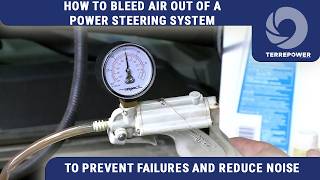
Bleeding the air from the system after installation is the most critical step. With the engine OFF and front wheels in the air, turn the steering wheel from lock to lock about 15-20 times to push air bubbles into the reservoir. Starting the engine with air in the pump can destroy it instantly.
🎬 Watch: How to bleed air properly to prevent pump failure.Were there any recalls on this power steering pump?
No. While Ford has issued power steering related recalls for other vehicles like the 2021-2022 E-350/E-450, there are no active recalls for the power steering pump on the 2009-2014 Ford E-150.
Can a bad serpentine belt cause steering problems?
Yes. The power steering pump is driven by the serpentine belt. If the belt is worn, loose, or glazed, it can slip on the pump's pulley, causing a squealing sound and a temporary loss of power assist, especially when you first start the engine. Always inspect the belt and tensioner when diagnosing a steering issue.
Helpful Videos
Technical Specifications
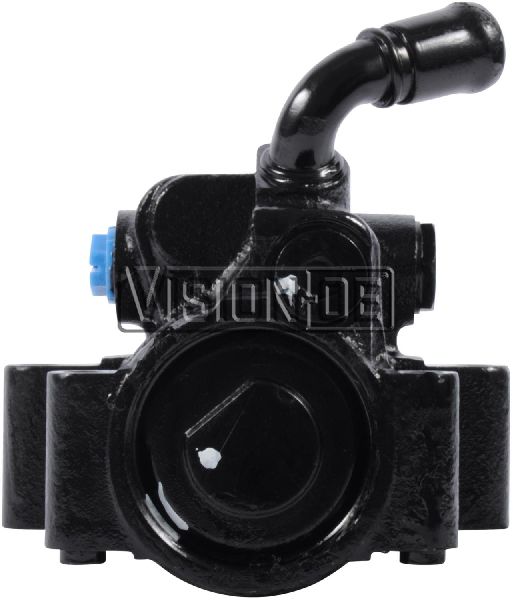
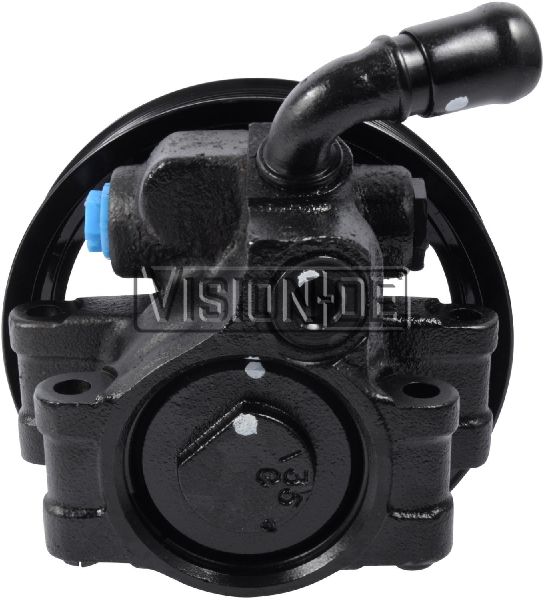
OEM Part Numbers: BC2Z3A696B BC243A696CC
Requires Motorcraft MERCON V power steering fluid. A pulley puller/installer tool is necessary for transferring the pulley from the old pump to the new one.
We Have This Part in Stock

The information in this article is provided for general reference and educational purposes only. Vehicle specifications, procedures, and part compatibility can vary by production date, trim level, and region. Always consult your vehicle's factory service manual and verify part numbers before purchasing or performing repairs. Safety-critical components such as airbags, seat belts, and braking systems should be installed by a qualified professional.
- Ford E-150:
- 🎬 Helpful Videos
- 🛍️ Shop This Part
- Is Your E-150 Power Steering Pump Failing?
- Common Failure Symptoms:
- Check for Other Steering Issues First
- Choosing a New Aftermarket Pump: OEM vs. Aftermarket
- Pro Tip: Flush the System and Use the Right Fluid
- Power Steering Pump Replacement Cost for 2009-2014 Ford E-150
- Frequently Asked Questions
- 🎟️ Get 5% Off