

Ford Lobo Engine VVT Solenoid Guide for 2009-2014 Models
Address rough idling and check engine lights in your Ford Lobo by understanding and replacing the VVT solenoids.
- Failure is most often caused by dirty engine oil; regular oil changes are the best prevention.
- Symptoms include rough idle, power loss, engine rattle, and check engine light codes P0012 or P0022.
- Replacement on this generation requires removing the valve covers, making it a moderately difficult job.
- Premium aftermarket brands like Standard Ignition (SMP) and NGK are reliable alternatives to more expensive OEM parts.
Is Your 2009-2014 Lobo Running Rough? It Could Be the VVT Solenoids.
If you own a Ford Lobo from 2009 to 2014, especially with the 5.4L or 5.0L V8 engine, you might experience issues like a shaky idle, poor acceleration, or an engine noise that sounds like a diesel. These are common signs of a failing Engine Variable Valve Timing (VVT) solenoid. These parts are located under the valve covers and are prone to failure from heat and, most commonly, from contaminated engine oil. Sludge or debris can clog the tiny screens on the solenoid, preventing it from working correctly.
Symptoms of a Bad VVT Solenoid
A failing VVT solenoid can make your truck feel unreliable. Watch for these signs:
- Check Engine Light: This is often the first sign. You may see codes like P0011, P0012, P0021, or P0022.
- Rough Idle: The engine may shake or vibrate when you're stopped.
- Poor Engine Performance: You might notice the truck feels sluggish, hesitates when you accelerate, or even stalls.
- Engine Noises: A rattling or ticking sound from the engine, especially at idle, can point to a VVT system problem.
- Bad Fuel Economy: If you're filling up more often, a faulty solenoid could be the cause because the engine timing isn't optimized.
Choosing the Right Aftermarket VVT Solenoid
When replacing VVT solenoids, you have options. While OEM Motorcraft parts are often recommended in forums, high-quality aftermarket brands can offer a reliable and more affordable alternative.
- Premium Aftermarket (Standard Ignition, NGK): Brands like Standard Motor Products (SMP) and NGK have a strong reputation for producing quality electronic components. They often engineer their parts to meet or exceed original specifications, sometimes using enhanced materials like hard-coated valves to resist wear and sludge. These are a solid choice for a balance of quality and price.
- Standard Aftermarket (Gates, Melling): These brands are established in the aftermarket and provide functional replacements that meet basic requirements.
- Economy Aftermarket (Dorman): While widely available, Dorman's electronic parts, including solenoids, have a mixed reputation among truck owners. Some users report premature failures, leading to doing the job a second time. Consider this brand if budget is the primary concern and you are aware of the potential risk.
Cost of Replacing VVT Solenoids (2009-2014 Ford Lobo)
| Part Type | Estimated Cost (Per Solenoid) |
|---|---|
| New OEM (Motorcraft) | $60 - $100 |
| New Aftermarket | $38 - $80 |
| Shop Labor | $200 - $400 |
Note: Labor costs can vary significantly. On 2009-2014 models, the valve covers must be removed to access the solenoids, making the job more labor-intensive than on older trucks.
Frequently Asked Questions
Can I replace just one VVT solenoid?
Yes, you can replace only the failed solenoid. However, since the valve covers need to be removed for the job, many mechanics recommend replacing them in pairs (both on one cylinder bank) or all at once. The other solenoids have been exposed to the same conditions and may fail soon.
Is replacing a VVT solenoid a DIY job?
For the 2009-2014 Lobo, this job is moderately difficult because it requires removing the valve cover. While it is feasible for an experienced DIYer with the right tools, it is more involved than on pre-2009 models. The driver's side is particularly tight due to the power steering reservoir and other components.
Will a bad VVT solenoid damage my engine?
While a faulty solenoid itself won't directly cause catastrophic damage, ignoring the symptoms can. Driving with incorrect timing for a long time can lead to poor performance, increased emissions, and potentially more stress on other engine components. The underlying cause, which is often oil sludge, can certainly lead to major engine problems if not addressed.
Are there any recalls for this part?
There are no specific recalls from the NHTSA for VVT solenoids on the 2009-2014 Ford F-150/Lobo. There have been customer satisfaction programs for related cam phaser issues on newer models, but not for the solenoids on this generation.
Technical Specifications
OEM Part Numbers: BR3Z-6M280-E
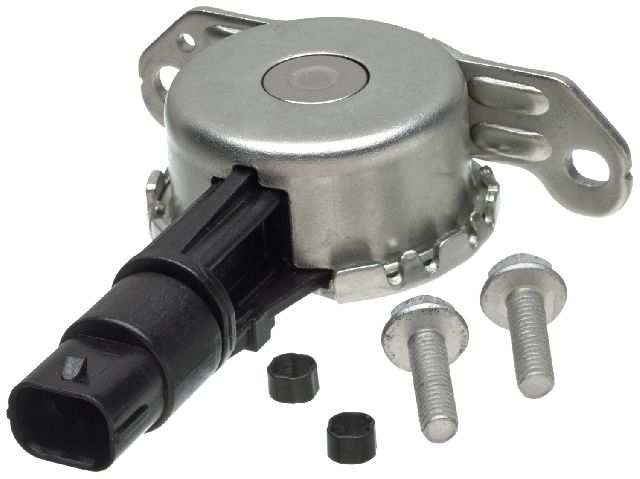
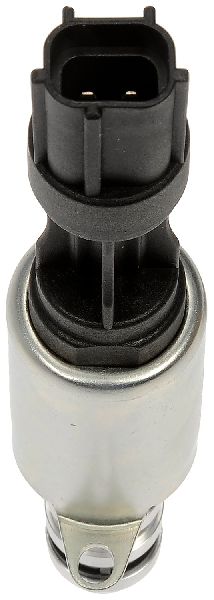
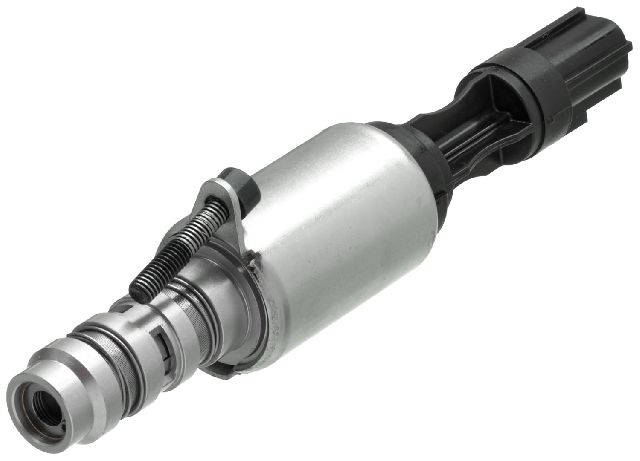
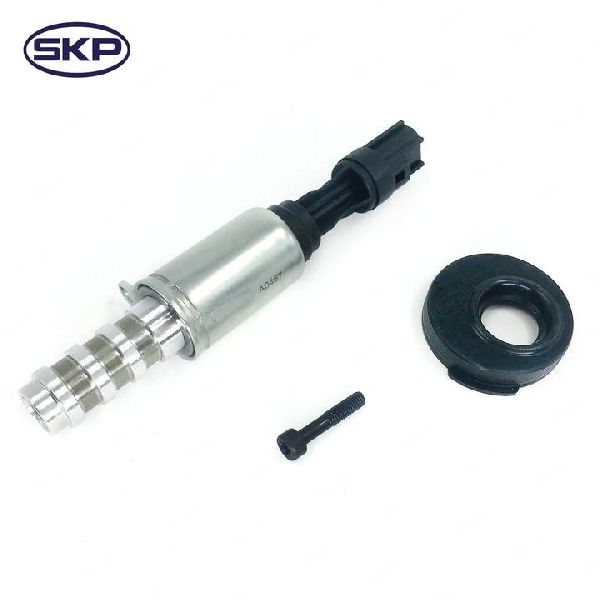
For 2009-2014 Ford Lobo with 4.6L 3V, 5.4L 3V, or 5.0L V8 engines. Controls oil flow to the Ti-VCT cam phaser system. Located under the valve covers.
We Have This Part in Stock


The information in this article is provided for general reference and educational purposes only. Vehicle specifications, procedures, and part compatibility can vary by production date, trim level, and region. Always consult your vehicle's factory service manual and verify part numbers before purchasing or performing repairs. Safety-critical components such as airbags, seat belts, and braking systems should be installed by a qualified professional.
- Ford Lobo: