

A Guide to Replacing Brake Calipers on Your 2009-2014 Toyota Highlander
Don't let a bad brake caliper ruin your Highlander's smooth, reliable braking; here's how to choose the right replacement part.
- Seized or sticking calipers are a common issue for 2009-2014 Highlanders, often causing pulling, uneven pad wear, and hot wheels.
- Due to common complaints of warped OEM rotors, premium aftermarket brands like PowerStop or Centric can be a worthwhile upgrade.
- Always replace calipers in pairs on the same axle (both front or both rear) to maintain balanced braking.
- Brake bleeding is a mandatory step after replacing a caliper to ensure safety and proper pedal feel.
Is Your Highlander's Brake Caliper Failing?

A brake caliper lives in a harsh environment, exposed to extreme heat and road grime. Over time, the internal seals can fail, or the slide pins can seize. For the 2009-2014 Highlander, a common point of failure is a sticking or seized caliper piston or slide pins. This means the caliper doesn't release its grip on the rotor after you take your foot off the brake. This can lead to serious safety issues and damage to other brake components.
Key Symptoms of a Bad Caliper:
- Vehicle Pulling: Your Highlander pulls to the left or right when you apply the brakes.
- Spongy or Soft Brake Pedal: If a caliper is leaking fluid, the pedal may feel soft or sink towards the floor. A very firm or hard-to-press pedal can also indicate a seized caliper.
- Uneven Brake Pad Wear: When inspecting your brakes, you might notice the pads on one wheel are worn down significantly more than the others.
- Brake Fluid Leaks: Puddles of clear or yellowish fluid near the wheels are a sure sign of a hydraulic system problem.
- Burning Smell: A continuous burning odor from the wheels after driving can indicate a caliper is stuck, causing the pads to drag on the rotor constantly.
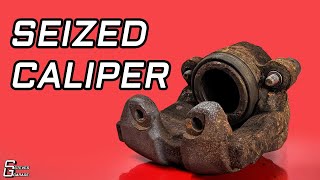
- Excessive Heat: After a drive, a wheel that is significantly hotter than the others is a classic sign of a dragging brake. 🎬 Watch: How to diagnose a seized brake caliper yourself.
Known Issues for This Generation
While there are no specific recalls for brake calipers on the 2009-2014 Highlander, seized calipers are a frequently reported problem by owners. This issue can cause premature warping of brake rotors, leading to a shaking or vibrating steering wheel during braking—another common complaint among Highlander owners. Some owners of early models in this generation have also reported expensive issues with the ABS actuator, which can present similar brake warning lights.
Choosing the Right Aftermarket Caliper

Many Highlander owners have expressed frustration with the lifespan of the original equipment (OEM) brakes, particularly concerning warped rotors. This makes choosing a quality aftermarket part a smart move, as some are designed to be an improvement over the factory components. Calipers typically come in two varieties: new and remanufactured. Remanufactured calipers are original units that have been rebuilt with new seals and components and are a cost-effective and reliable option.
Aftermarket Brand Tiers for Toyota Highlander
- Premium & Performance Brands (Powerstop, Centric): These brands are well-regarded by Highlander owners. Powerstop, in particular, is often recommended in forums as an upgrade to solve issues with OEM rotor warping. They often come with protective coatings to resist corrosion and may be sold as complete kits with pads and rotors.
- Standard Replacement Brands (Cardone, Raybestos, Dynamic Friction, BBB Industries): These brands offer reliable, direct-fit replacements that meet or exceed OEM specifications. They are often remanufactured and provide a good balance of quality and value for daily driving. While brands like Raybestos are well-established, some users note that quality can be inconsistent on certain product lines.
Pro Tip: Loaded vs. Unloaded Calipers
You can purchase calipers "loaded" or "unloaded." A loaded caliper comes complete with new brake pads and all the necessary mounting hardware (clips and pins). An unloaded caliper is just the caliper itself. If you are already planning to replace your pads, a loaded caliper can save time and ensure all components are fresh.
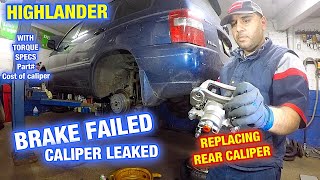
🎬 See this walkthrough on replacing a leaking Highlander caliper.Cost of Replacing a Toyota Highlander Brake Caliper

The cost can vary based on the brand you choose and local labor rates. Replacing calipers is often done in pairs (both front or both rear) to ensure even braking performance.
| Part Type | Estimated Cost (Per Caliper) |
|---|---|
| New Aftermarket | $62 - $196 |
| Remanufactured Aftermarket | $65 - $150 |
| New OEM | $115 - $215 |
| Used OEM | $35 - $150 |
| Shop Labor | $125 - $250 |
Frequently Asked Questions

Should I replace calipers in pairs?
Yes, it is highly recommended. Replacing both the left and right calipers on the same axle at the same time ensures balanced braking power and prevents the vehicle from pulling to one side.
Do I need to bleed the brakes after replacing a caliper?
Absolutely. Whenever the hydraulic system is opened (like when you disconnect the brake line from the caliper), air gets in. You must perform a full brake bleed procedure to remove all air from the lines. Failure to do so will result in a spongy, unsafe brake pedal.
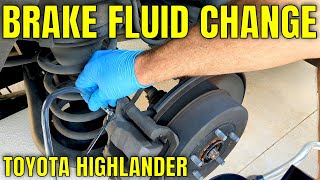
🎬 Watch: How to properly bleed and replace brake fluid.What are the bolt sizes for a Highlander caliper replacement?
For the 2009-2014 Highlander, you will typically need a 14mm socket or wrench for the caliper slide pin bolts and a 17mm for the caliper bracket bolts.
Can I reuse my old brake pads and rotors?
It's not recommended. A failing caliper often damages the brake pads and rotor through overheating and uneven wear. To ensure your new caliper functions correctly and has a long life, you should install it with new pads and new or resurfaced rotors.
Helpful Videos
Technical Specifications
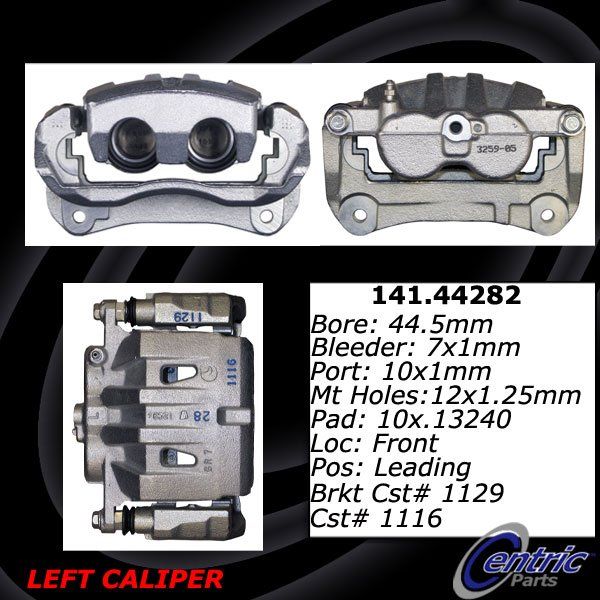
OEM Part Numbers: 47750-0E031 47730-0E031 47850-48120 47830-0E110
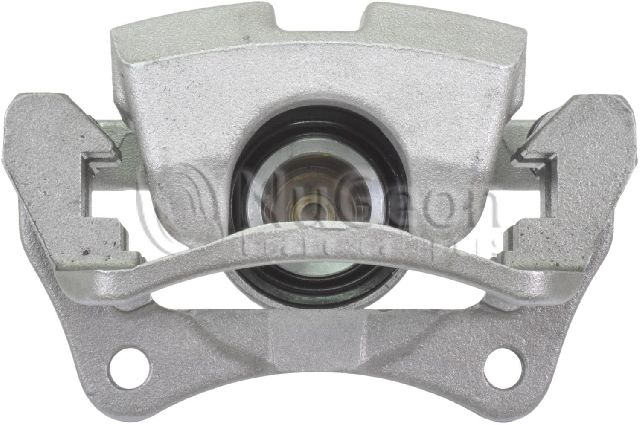
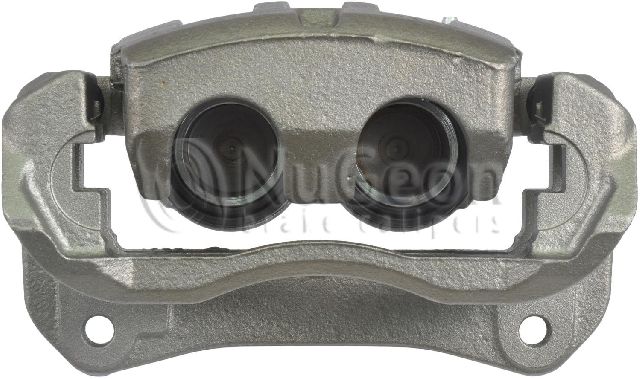
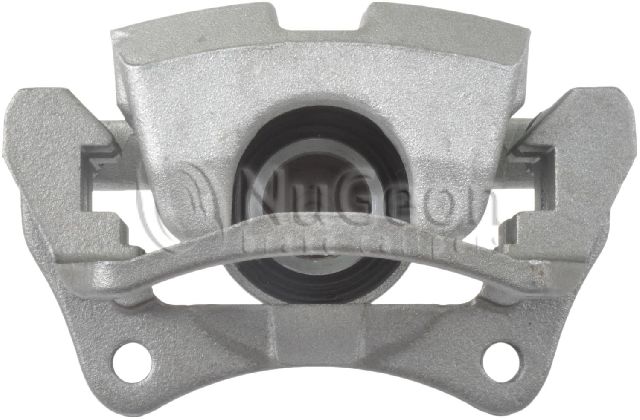
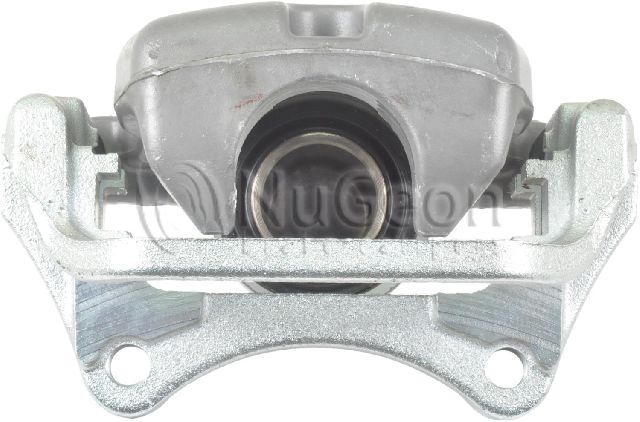
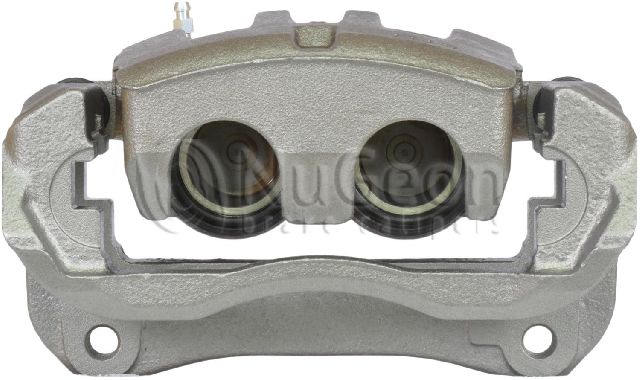
The 2009-2014 Toyota Highlander uses a dual-piston front brake caliper. Calipers are specific to the driver (left) and passenger (right) side. Ensure the bleeder screw is positioned at the top of the caliper upon installation to allow air to be properly bled from the system.
We Have This Part in Stock

The information in this article is provided for general reference and educational purposes only. Vehicle specifications, procedures, and part compatibility can vary by production date, trim level, and region. Always consult your vehicle's factory service manual and verify part numbers before purchasing or performing repairs. Safety-critical components such as airbags, seat belts, and braking systems should be installed by a qualified professional.
- Toyota Highlander:
- 🎬 Helpful Videos
- 🛍️ Shop This Part
- Is Your Highlander's Brake Caliper Failing?
- Key Symptoms of a Bad Caliper:
- Known Issues for This Generation
- Choosing the Right Aftermarket Caliper
- Aftermarket Brand Tiers for Toyota Highlander
- Pro Tip: Loaded vs. Unloaded Calipers
- Cost of Replacing a Toyota Highlander Brake Caliper
- Frequently Asked Questions
- 🎟️ Get 5% Off