

Engine Coolant Temperature Sensor Guide for 2009-2015 BMW 335i xDrive
Faulty coolant sensor causing engine problems in your BMW 335i xDrive? Here’s what you need to know before you buy a replacement.
- Verify the location of the failed sensor (cylinder head vs. radiator hose) before ordering a replacement.
- Replacement is a simple DIY task that can be done in under 30 minutes with basic tools on a cold engine.
- Choose a quality aftermarket brand like Delphi, Vemo, or Bosch for OEM-level reliability.
- Do not ignore symptoms; a faulty sensor can lead to poor fuel economy, failed emissions, or engine overheating.
Is Your BMW 335i xDrive's Coolant Sensor Failing?
A bad engine coolant temperature sensor can cause a surprising number of problems. Because the DME relies on this sensor for critical information, a false signal can make the engine behave as if it's always cold or always hot, regardless of its actual temperature. This can lead to poor performance and can stress other components.
Symptoms of a Bad Coolant Temperature Sensor
🎬 Watch: 6 signs your coolant temperature sensor is failing- Check Engine Light: This is often the first sign. You may see fault codes like P0115, P0117, or P0118.
- Poor Fuel Economy: If the sensor tells the DME the engine is cold, the computer will enrich the fuel mixture, causing you to use more gas than necessary.
- Black Smoke from Exhaust: A rich fuel mixture can result in unburned fuel leaving the engine, creating black smoke from the tailpipe.
- Rough Idle: The engine may shake or idle unevenly because the air-fuel mixture is incorrect.
- Engine Overheating: If the sensor fails to tell the DME the engine is hot, the electric cooling fans may not turn on when needed.
- Cooling Fans Always On: As a fail-safe, the DME may run the cooling fans at full speed constantly if it receives an illogical signal from the sensor. This can drain your battery.
- Hard Starting: An incorrect temperature reading can make it difficult to start the engine, especially when it's cold.
A Critical Ordering Mistake to Avoid
The 2009-2015 BMW 335i xDrive spans two different generations (E9x and F30 chassis) and can have two different coolant temperature sensors. Before ordering, you must identify which sensor you need.
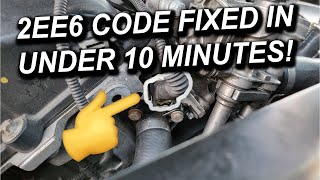
- Cylinder Head Sensor: Located on the front of the cylinder head, near the oil filter housing. This sensor provides the primary reading to the DME for engine management. It is common on N54 and N55 engines. 🎬 See this walkthrough for replacing the N54 temperature sensor
- Radiator Hose Sensor: Located in the lower radiator hose. This sensor often provides temperature data for the thermostat and electric fan control.
Visually inspect your engine to confirm the location of the failed sensor before purchasing a new part. The part numbers are different, and they are not interchangeable.
Choosing the Right Aftermarket Sensor
For a critical sensor like this, brand quality matters. While you don't always need to buy a Genuine BMW part, choosing a known OEM supplier is a safe bet for reliability and accurate readings.
- Tier 1 (OEM Suppliers): Brands like Delphi, Vemo (often repackages OEM parts), and Bosch are known suppliers to BMW and other European manufacturers. These parts are expected to perform identically to the original part.
- Tier 2 (Quality Aftermarket): Brands like Standard Ignition (SMP), NGK, and Beck Arnley are established aftermarket manufacturers with a reputation for quality. They are a solid choice and often offer a good balance of price and performance.
- Tier 3 (Budget-Friendly): Brands like Four Seasons and Global Parts are often more focused on price. While functional, their long-term accuracy and durability may not match that of the higher-tier brands. For a critical sensor on a performance vehicle, it's generally recommended to invest in a Tier 1 or Tier 2 brand.
Pro Tip: Easy DIY Replacement
Replacing the sensor on the cylinder head is a simple job you can do at home. As long as the engine is completely cold, you can swap the sensor quickly without draining all your coolant. Only a small amount will spill. Have the new sensor ready to install immediately to minimize coolant loss.
Cost of Replacing an Engine Coolant Temperature Sensor
The cost can vary depending on the brand you choose and whether you do the work yourself.
| Part Type | Estimated Cost |
|---|---|
| New Aftermarket Sensor | $19 - $69 |
| New OEM Sensor | $50 - $70 |
| Shop Labor | $80 - $150 |
| Total (Shop Repair) | $100 - $220 |
Frequently Asked Questions
Where is the engine coolant temperature sensor located?
There are two common locations. The main sensor is usually on the front of the cylinder head, near the oil filter housing. A second sensor may be located in the lower radiator hose on the passenger side of the engine bay. You must verify which one needs replacing before you buy.
Can I replace this sensor myself?
Yes, this is a very DIY-friendly job, especially for the sensor on the cylinder head. 🎬 Watch: DIY replacement guide for BMW 3-series temperature sensors It requires basic tools like a 22mm wrench or deep socket. The key is to work on a completely cold engine to avoid getting burned by hot coolant.
What happens if I don't replace a bad sensor?
Ignoring a bad sensor can lead to persistently poor fuel economy, failed emissions tests, and long-term engine strain. In a worst-case scenario, the cooling fans may not activate, leading to engine overheating and potential for severe damage.
Is an aftermarket sensor good enough for my BMW?
Yes, a high-quality aftermarket sensor from an OEM supplier like Delphi, Vemo, or Bosch will perform just as well as the original part. Given the low cost of even top-tier aftermarket brands, it is wise to avoid the cheapest options to ensure accuracy and longevity.
Helpful Videos
Technical Specifications
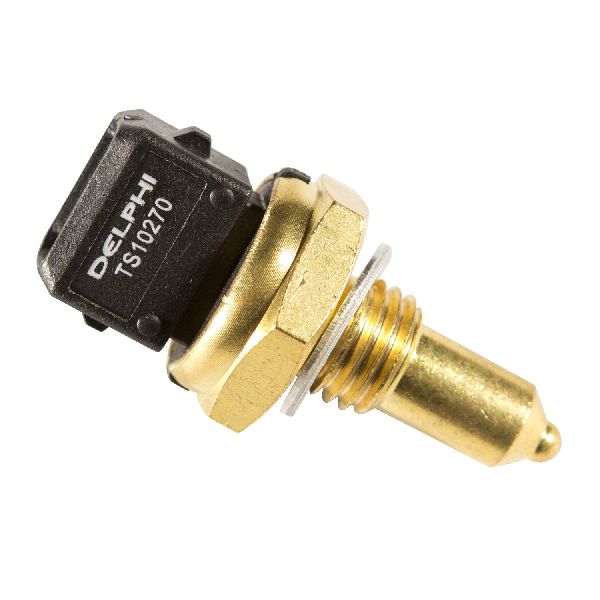
OEM Part Numbers: 13627580635 (Cylinder Head Sensor, N55) 13621433077 (Radiator Hose Sensor)
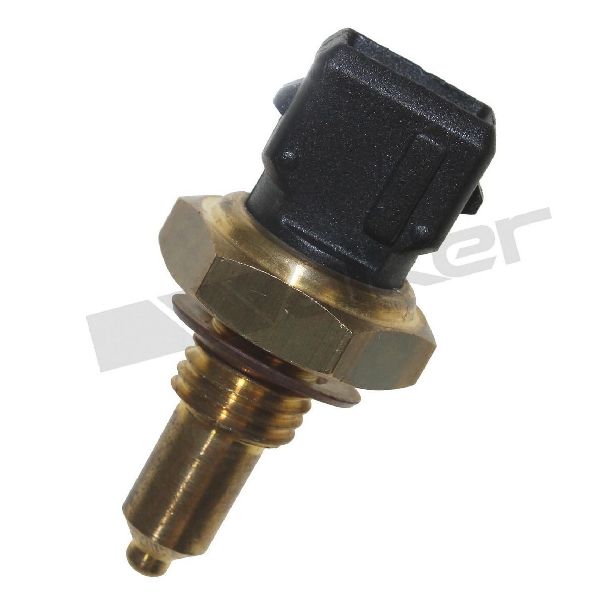
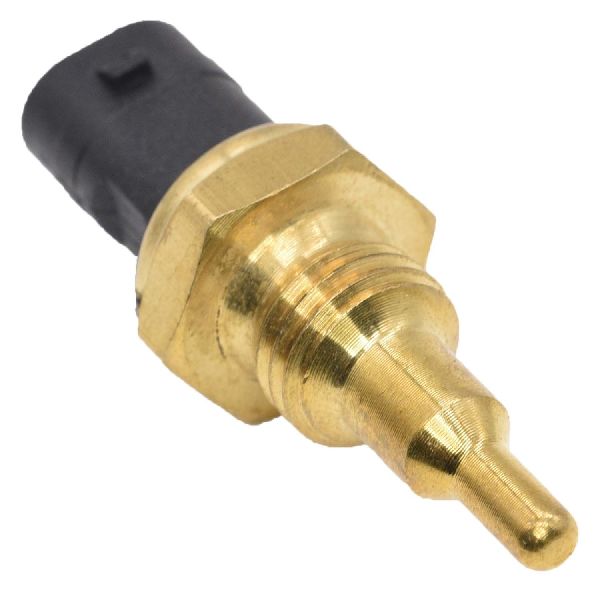
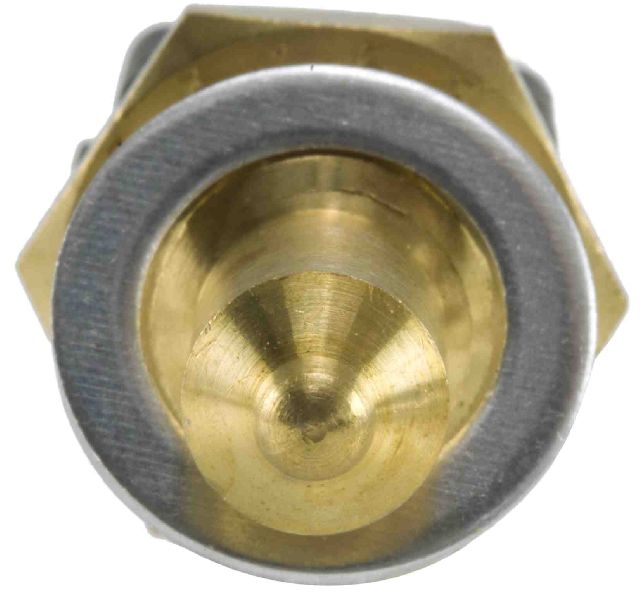
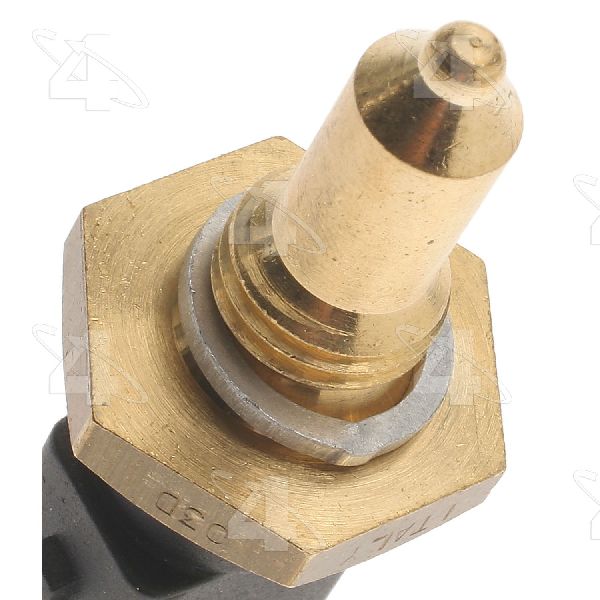
This is a thermistor-type sensor that changes its electrical resistance based on temperature. It typically uses a 2-pin connector.
We Have This Part in Stock


The information in this article is provided for general reference and educational purposes only. Vehicle specifications, procedures, and part compatibility can vary by production date, trim level, and region. Always consult your vehicle's factory service manual and verify part numbers before purchasing or performing repairs. Safety-critical components such as airbags, seat belts, and braking systems should be installed by a qualified professional.
- BMW 335i xDrive:
- 🎬 Helpful Videos
- 🛍️ Shop This Part
- Is Your BMW 335i xDrive's Coolant Sensor Failing?
- Symptoms of a Bad Coolant Temperature Sensor
- A Critical Ordering Mistake to Avoid
- Choosing the Right Aftermarket Sensor
- Pro Tip: Easy DIY Replacement
- Cost of Replacing an Engine Coolant Temperature Sensor
- Frequently Asked Questions
- 🎟️ Get 5% Off