

Ford F-350 (2009-2016) Engine Camshaft Position Sensor: A Vehicle-Specific Guide
Experiencing a rough idle, stalling, or a no-start condition in your F-350? The engine camshaft position sensor could be the problem.
- Symptoms often include a check engine light, rough running, stalling, or a no-start condition.
- Replacement on the 6.2L V8 gas engine is very difficult and requires removing the intake manifold.
- For reliability, especially on Power Stroke engines, OEM Motorcraft or premium aftermarket brands like NGK and Standard Motor Products are strongly recommended.
- There are no major recalls for this part on the 2009-2016 F-350 models, unlike the older 7.3L engines.
Symptoms of a Failing Camshaft Position Sensor
When a camshaft position sensor starts to fail on your 2009-2016 Ford F-350, the signs can range from annoying to leaving you stranded. Because the sensor's data is so important for engine timing, a bad signal can cause a variety of problems. You should pay attention to these symptoms to avoid bigger issues down the road.
🎬 Watch this guide on how to test and fix sensors.Common Failure Symptoms
- Check Engine Light: This is often the first sign. The truck's computer will detect a problem with the sensor's signal and store a trouble code, lighting up the dashboard. Common codes include P0340, P0341, P0345, and P0346. 🎬 Learn more about diagnosing the P0345 trouble code.
- Engine Stalling: The engine may stall unexpectedly, either while idling at a stoplight or while driving. This can be a serious safety concern.
- Difficulty Starting: Your F-350 might crank for a long time before it starts, or it may not start at all. The computer needs the cam sensor signal to initiate fuel and spark.
- Rough Idle and Misfires: The engine may shake or vibrate at idle due to incorrect timing, causing misfires.
- Poor Acceleration: You might notice your truck feels sluggish or lacks power when you press the gas pedal.
- Reduced Fuel Economy: With the engine running inefficiently, you'll likely see a drop in your gas mileage.
Choosing the Right Aftermarket Sensor
When it comes to critical electronic sensors on a Ford truck, many owners and mechanics prefer to use the original equipment (OEM) Motorcraft part. However, high-quality aftermarket parts can offer a reliable and more affordable alternative. It's generally best to avoid the cheapest, no-name options, as sensor quality can be inconsistent.
Brand Tiers for Your F-350
- Premium Aftermarket (Good Alternative to OEM): Brands like NGK/NTK and Standard Motor Products (SMP) have a strong reputation for producing reliable sensors that meet or exceed OEM specifications. These are often the go-to choice for mechanics when an OEM part isn't readily available or is too costly.
- Standard Aftermarket (Value-Oriented): Brands such as Dorman, Spectra, and Walker Products offer a cost-effective solution. While they are designed to be direct replacements, some professional technicians and truck owners have reported mixed results with lower-cost sensors on hardworking trucks. For a critical component like a cam sensor, weighing the initial savings against potential future labor is important.
Replacement Cost for 2009-2016 Ford F-350
The cost to replace a camshaft position sensor can vary depending on your truck's engine and whether you do the work yourself or hire a professional.
| Part/Service | Estimated Cost |
|---|---|
| New Aftermarket Sensor | $14 - $58 |
| New OEM (Motorcraft) Sensor | $40 - $100 |
| Shop Labor | $92 - $250+ |
Note: Labor costs vary significantly based on the engine. The 6.2L V8 gas engine's sensors are very difficult to access, requiring removal of the intake manifold, which increases labor time and cost substantially. The 6.7L Power Stroke diesel sensor is also labor-intensive to access.
Frequently Asked Questions (FAQ)
How many camshaft sensors does my F-350 have?
The V8 engines in the 2009-2016 F-350, like the 6.2L gas and 6.7L Power Stroke diesel, typically have two camshaft position sensors, one for each cylinder bank. However, the 6.4L Power Stroke (2009-2010) uses a single sensor. Always verify the correct number for your specific engine.
Can I replace the camshaft sensor myself?
It depends on your engine. On the 6.7L Power Stroke, the sensor is located on the front of the engine, but access is tight and requires removing the fan, fan shroud, and other components. On the 6.2L V8 gas engine, the job is much more difficult, as the sensors are at the back of the engine underneath the intake manifold, which must be removed for access. This is a challenging DIY job for the 6.2L engine.
Is an OEM Motorcraft sensor really better than aftermarket?
For critical sensors like the camshaft and crankshaft position sensors, many Ford truck enthusiasts strongly recommend using OEM Motorcraft parts. They are built to the exact specifications for your truck's computer system. While premium aftermarket brands like NGK and Standard Motor Products are generally reliable, lower-priced brands can sometimes have a higher failure rate, leading to repeated repairs.
Were there any recalls for the camshaft position sensor on these trucks?
There was a well-known recall (07S57) for the camshaft position sensor on the older 7.3L Power Stroke diesel engines, which are not in this year range. Searches for the 2009-2016 model years did not show a specific recall for the camshaft position sensor on the 6.4L, 6.2L, or 6.7L engines. Always check your specific VIN with the NHTSA or a Ford dealer for the most up-to-date recall information.
Helpful Videos
Technical Specifications
OEM Part Numbers: LC3Z-6B288-A AL3Z12K073A 3C3Z12K073AA 8C3Z12K073A
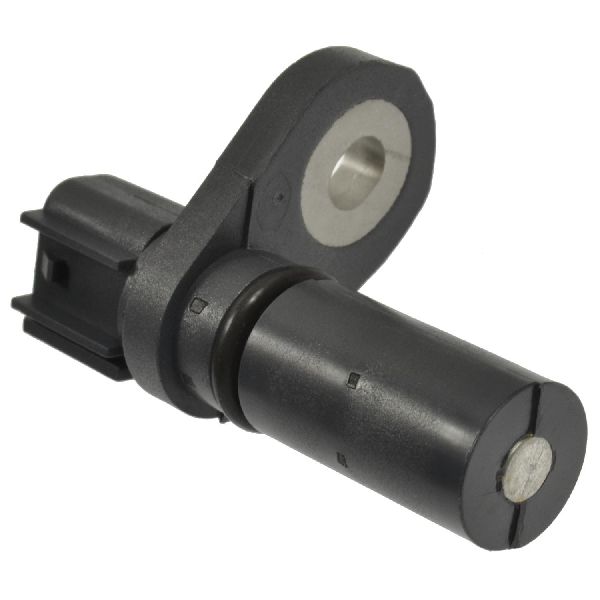
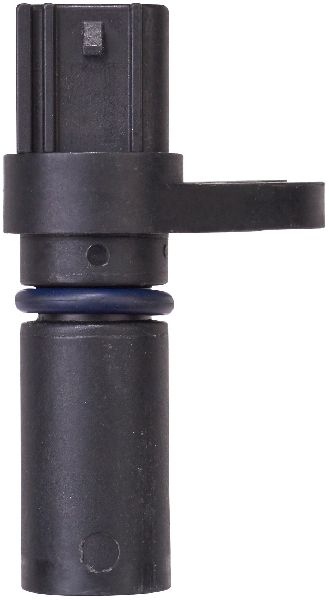
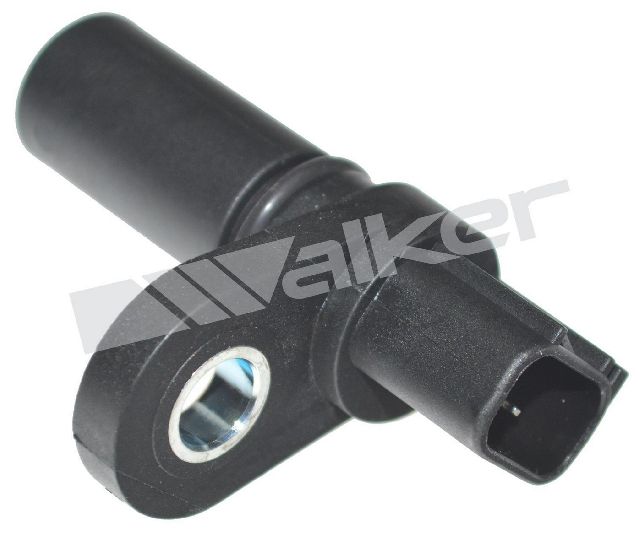
This is a 3-pin Hall effect sensor that reads the position of the camshaft and sends a digital signal to the powertrain control module (PCM).
We Have This Part in Stock


The information in this article is provided for general reference and educational purposes only. Vehicle specifications, procedures, and part compatibility can vary by production date, trim level, and region. Always consult your vehicle's factory service manual and verify part numbers before purchasing or performing repairs. Safety-critical components such as airbags, seat belts, and braking systems should be installed by a qualified professional.
- Ford F-350: