

Ignition Coil Guide for 2009-2016 Hyundai Genesis: Symptoms and Aftermarket Choices
If your Genesis is running rough or losing power, a failing ignition coil could be the reason; here's how to choose the right replacement.
- Symptoms like a rough idle, power loss, and a check engine light (codes P0301-P0306) strongly point to a failing ignition coil.
- This is an easy and inexpensive DIY repair; the coils are on top of the engine and accessible with basic tools.
- For best results, choose a quality aftermarket brand like NGK, Delphi, or Hitachi.
- It's highly recommended to replace all coils and spark plugs at the same time, especially if over 100,000 miles.
Is Your Genesis Stalling or Losing Power? It Could Be an Ignition Coil.
A failing ignition coil is a common issue that can make your 2009-2016 Hyundai Genesis run poorly. When a coil starts to go bad, it can't produce the strong spark needed for proper combustion. This leads to a variety of noticeable engine problems. Ignoring these signs can lead to more expensive repairs down the road, like damage to your catalytic converter.
Symptoms of a Bad Ignition Coil
If your Genesis has a faulty ignition coil, you'll likely notice one or more of these signs:
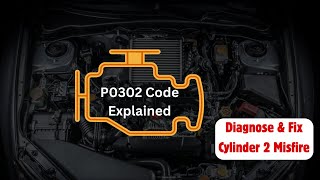
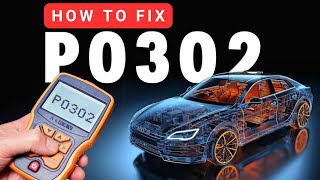
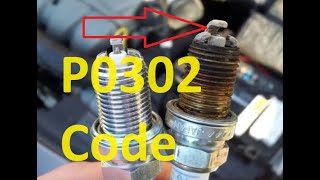
- Check Engine Light: This is often the first warning. The car's computer will detect an engine misfire and trigger the light. You may see codes like P0300 (random misfire) or P0301-P0306, which point to a specific cylinder. 🎬 Watch: How to diagnose and fix a cylinder 2 misfire
- Rough Idle and Vibrations: The engine may shake, stutter, or vibrate, especially when you're stopped at a light. It might feel like the car is about to stall. 🎬 See common causes and fixes for a rough engine idle
- Loss of Power: Your car will feel sluggish and weak, particularly when you try to accelerate or drive up a hill.
- Poor Fuel Economy: You'll find yourself visiting the gas station more often because an inefficient engine burns more fuel.
- Engine Stalling or Hesitation: The engine might cut out when you come to a stop or hesitate and jerk when you press the gas pedal.
- Backfiring or Gas Smell: In some cases, unburned fuel can exit through the exhaust, causing a loud bang (backfire) or a distinct smell of gasoline.
Pro Tip: The "Coil Swap" Diagnosis
If you have an OBD-II scanner and it shows a misfire on a specific cylinder (e.g., P0302 for cylinder 2), you can confirm a bad coil yourself. Simply swap the ignition coil from the misfiring cylinder with one from a different cylinder. Clear the codes, run the engine, and scan again. If the code changes to the new cylinder's number (e.g., P0301), you've confirmed the coil is the problem.
Known Issues, Recalls, and TSBs
While searches for the 2009-2016 Genesis did not reveal widespread recalls or Technical Service Bulletins (TSBs) specifically for ignition coil failure, some related issues exist. A recall was issued for the 2010-2013 Genesis Coupe with a manual transmission for a faulty ignition lock switch on the clutch pedal, which could allow the car to start in gear. This is unrelated to the ignition coils themselves but involves the ignition system. Always check for open recalls on your specific vehicle.
Choosing the Right Aftermarket Ignition Coil
When replacing a coil, you don't have to buy the expensive OEM part from a dealer. Many aftermarket brands offer excellent quality, often at a much lower price. However, quality can vary. Based on owner feedback and brand reputation, here's a breakdown of your options:
Tier 1: OEM Quality or Better
- NGK: Widely respected and often considered an OEM equivalent or upgrade. NGK is known for high-quality ignition components that provide reliable performance and durability.
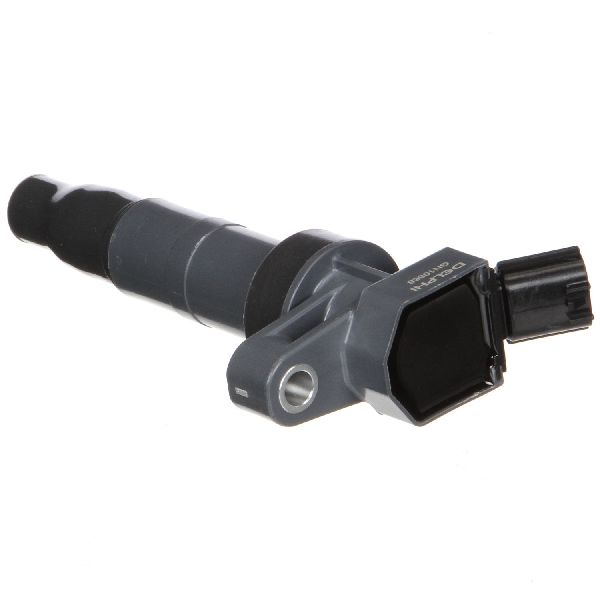
- Delphi: A major OEM supplier for many car brands. Delphi coils are known for their precise engineering and are a trusted choice for quality and reliability.
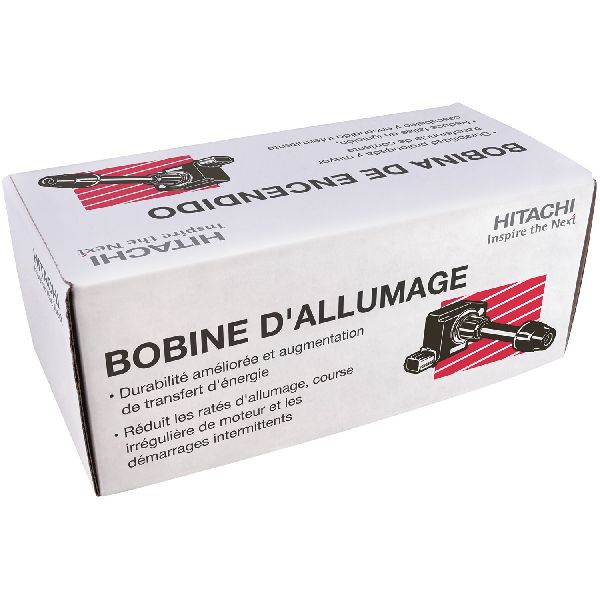
- Hitachi: Another well-regarded brand that often supplies OEM parts. Hitachi coils are a solid choice for dependable performance.
Tier 2: Reliable Aftermarket Brands
- Standard Ignition (Standard Motor Products): A long-standing brand in the aftermarket that offers reliable parts.
- Spectra Premium: Known for producing parts that meet or exceed OEM specifications.
- Walker Products: A reputable manufacturer of engine management components.
Tier 3: Economy Options
- Brands like DriveWire, True Tech, and other lower-priced options can be a good value for a daily driver. However, their longevity and performance may not match the higher-tier brands. For a vehicle like the Genesis, especially the performance-oriented models, investing in a Tier 1 or Tier 2 brand is often recommended for peace of mind.
Should You Replace All Coils at Once?
While you can replace just the one failed coil, it's often a good idea to replace them all at the same time, especially if your car has over 100,000 miles. Ignition coils are wear-and-tear items, and if one has failed, others may soon follow. Replacing them as a set ensures consistent performance and prevents you from having to do the same repair again in a few months.
Cost to Replace Hyundai Genesis Ignition Coils
| Part Type | Cost Range (Per Coil) | Notes |
|---|---|---|
| New Aftermarket | $24.81 - $86.85 | Price depends on brand quality. NGK and Delphi are on the higher end, with economy brands being cheaper. |
| New OEM | $100 - $120+ | Genuine Hyundai parts purchased from a dealer are the most expensive option. |
| Shop Labor | $129 - $189 | This is the estimated cost for a mechanic to perform the replacement. The job is relatively simple and takes less than an hour. |
Frequently Asked Questions (FAQ)
Is it difficult to replace the ignition coils on my Genesis myself?
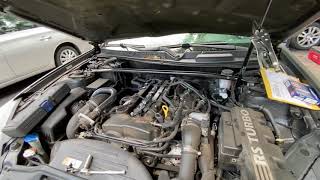
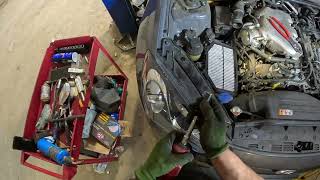
No, this is a very DIY-friendly job. For both the 2.0T and 3.8L engines, the coils are located on top of the engine and are easily accessible. The replacement typically involves removing a plastic engine cover, unplugging the electrical connector, undoing a single bolt, and pulling the old coil out. The entire job can usually be done in under an hour with basic hand tools.
🎬 Watch this step-by-step 2.0T coil and spark plug replacement guideDo I need to replace my spark plugs at the same time?
It is highly recommended. Worn or old spark plugs can put extra strain on the ignition coils, causing them to fail prematurely. Since you already have the coils out, replacing the spark plugs is an easy and smart preventative measure. Many owners replace both as a set.
What's the difference between an OEM and an aftermarket ignition coil?
OEM (Original Equipment Manufacturer) coils are the same parts installed at the factory. Aftermarket coils are made by other companies. High-quality aftermarket brands like NGK or Delphi are often made to the same or even better standards than OEM and can be a more affordable, reliable option. Cheaper, unbranded aftermarket parts may use lower-quality materials and might not last as long.
My check engine light is flashing. What should I do?
A flashing check engine light indicates a severe engine misfire. You should pull over and stop driving the vehicle as soon as it is safe to do so. Continuing to drive with a flashing check engine light can cause unburned fuel to enter the exhaust system and quickly destroy the expensive catalytic converter.
Helpful Videos

Technical Specifications
OEM Part Numbers: 27301-3C000 27301-3C010
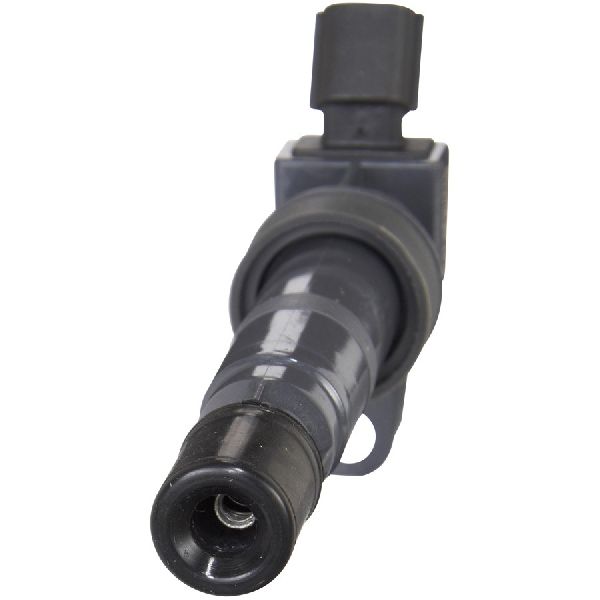
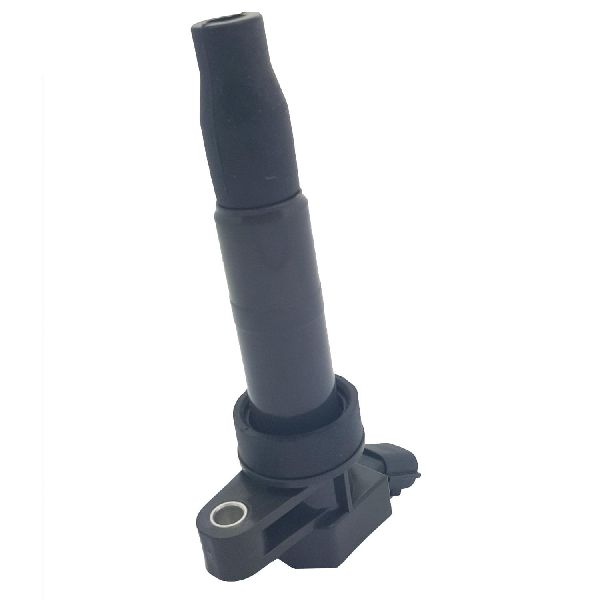
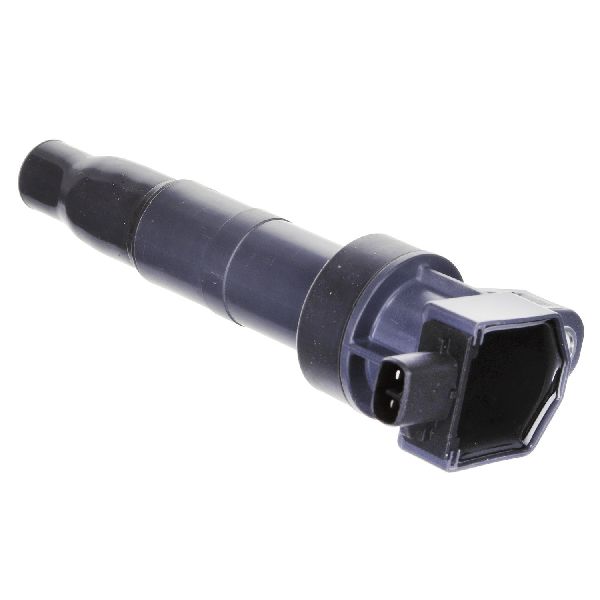
The 2009-2016 Hyundai Genesis uses a coil-on-plug (pencil) type ignition coil. The specific part number for the V6 engine is 27301-3C000, which was later superseded by 27301-3C010. The 2.0T engine uses a different coil, part number 27300-2G000 or 27300-3F100.
We Have This Part in Stock


The information in this article is provided for general reference and educational purposes only. Vehicle specifications, procedures, and part compatibility can vary by production date, trim level, and region. Always consult your vehicle's factory service manual and verify part numbers before purchasing or performing repairs. Safety-critical components such as airbags, seat belts, and braking systems should be installed by a qualified professional.
- Hyundai Genesis:
- 🎬 Helpful Videos
- 🛍️ Shop This Part
- Is Your Genesis Stalling or Losing Power? It Could Be an Ignition Coil.
- Symptoms of a Bad Ignition Coil
- Pro Tip: The "Coil Swap" Diagnosis
- Known Issues, Recalls, and TSBs
- Choosing the Right Aftermarket Ignition Coil
- Tier 1: OEM Quality or Better
- Tier 2: Reliable Aftermarket Brands
- Tier 3: Economy Options
- Should You Replace All Coils at Once?
- Cost to Replace Hyundai Genesis Ignition Coils
- Frequently Asked Questions (FAQ)
- 🎟️ Get 5% Off