

Subaru Impreza Catalytic Converter Guide (2009-2017)
Facing a P0420 code or a failed emissions test? This guide covers everything you need to know about replacing your Impreza's catalytic converter.
- Always diagnose the root cause of a P0420 code before replacing the converter; it could be a faulty O2 sensor or an engine issue.
- Verify if your state requires a CARB-compliant converter (e.g., CA, CO, NY, ME) before purchasing an aftermarket part.
- Replacing oxygen sensors at the same time as the converter is highly recommended to ensure proper system function and longevity.
- An OEM converter is very expensive; a quality aftermarket brand like MagnaFlow or Walker offers a reliable, more affordable alternative.
Is Your Impreza's Catalytic Converter Failing?


The most common sign of a failing catalytic converter in a Subaru Impreza is the check engine light, usually with a P0420 code (Catalyst System Efficiency Below Threshold). However, this code doesn't always mean the converter is the problem. It's a common, and often expensive, mistake to replace the converter without checking for other issues first. An engine that is burning oil, has a coolant leak, or has faulty oxygen sensors can ruin a brand-new catalytic converter very quickly.
Diagnose Before You Replace
A P0420 code means the system's efficiency is low, but it could be caused by a bad oxygen sensor, an exhaust leak, or an engine issue causing it to run rich. Always investigate these possibilities before buying a new converter. A mechanic can use a scan tool to read live data from the oxygen sensors to confirm if the converter is truly the culprit.
Choosing the Right Aftermarket Converter

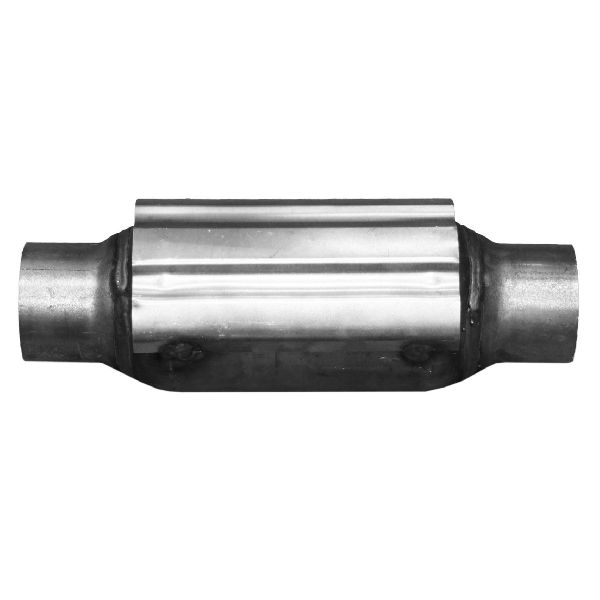
When your original converter fails, you have a choice between OEM (Original Equipment Manufacturer) and aftermarket parts. OEM parts from Subaru are extremely expensive, sometimes costing over $2,000 for the part alone. Aftermarket converters offer a much more affordable solution, but quality varies by brand.
Brand Quality Tiers
- Premium Aftermarket (MagnaFlow, MagnaFlow Performance Exhaust): MagnaFlow is a well-regarded brand known for durable, stainless steel construction and good performance. They often meet or exceed OEM standards and are a good choice if you want a long-lasting part. They are typically the most expensive aftermarket option.
- OEM-Equivalent Aftermarket (Walker Exhaust, AP Exhaust, Eastern Catalytic): Brands like Walker are trusted names in the exhaust industry and aim to match OEM quality and fit. They provide a reliable, direct-fit replacement that balances cost and quality effectively. Eastern Catalytic is another popular option, known for advanced catalyst chemistry to handle tough emissions problems.
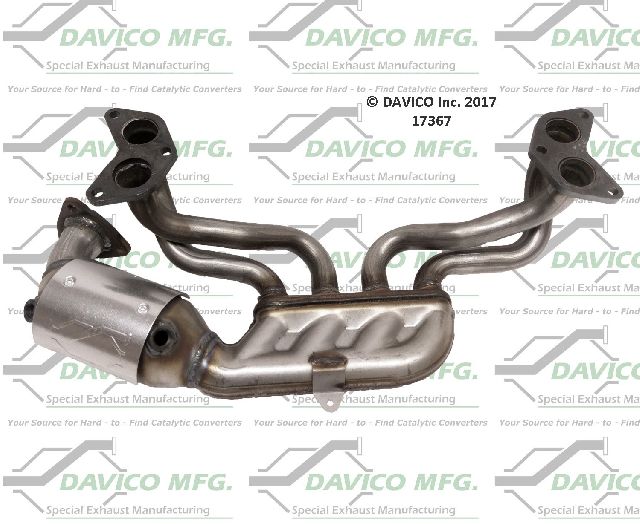
- Economy Aftermarket (Davico Converters, Evan Fischer, Original Performance): These brands offer the most budget-friendly options. While they can get your car to pass an emissions test, they may have a shorter lifespan due to using fewer precious metals in their construction. Fitment can sometimes be an issue, and you may find the check engine light returns sooner than with a premium part.
CARB, EPA, and Your Location
Before you buy, you MUST know your state's emissions requirements. States like California, Colorado, New York, and Maine require CARB (California Air Resources Board) compliant converters, which are more expensive. Most other states follow federal EPA standards. Installing a non-compliant converter in a CARB state is illegal and will result in a failed inspection.
Cost of Replacing Your Impreza's Catalytic Converter
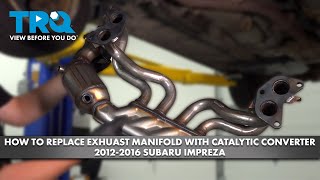
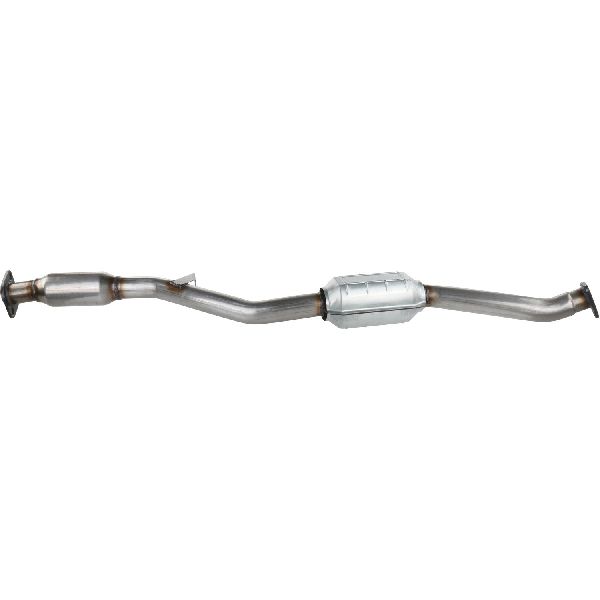
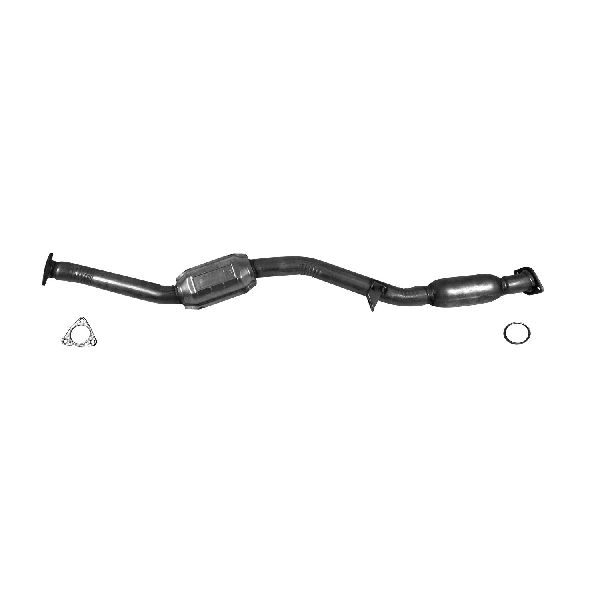
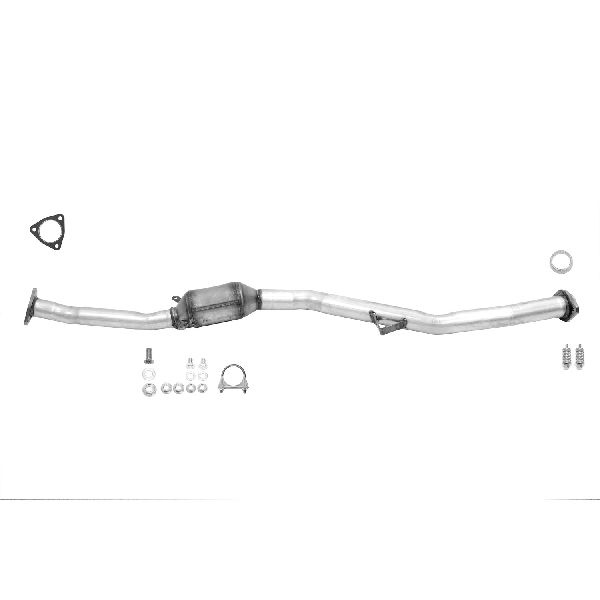
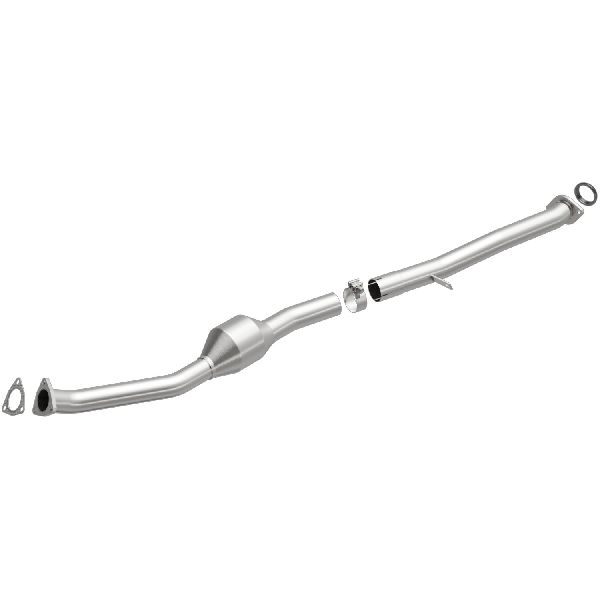
The total cost will depend on the part you choose and local labor rates. For the 2009-2017 Impreza, the catalytic converter is often integrated with the exhaust manifold, making it a single, larger part to replace.
| Part/Service | Estimated Cost |
|---|---|
| New OEM Part | $2000 - $3300+ |
| New Aftermarket Part | $140 - $1600 |
| Shop Labor | $200 - $450 |
| Total (Aftermarket) | $340 - $2050 |
Frequently Asked Questions

What exactly is a P0420 code?
A P0420 code means "Catalyst System Efficiency Below Threshold." Your Impreza has two oxygen sensors, one before and one after the catalytic converter. The computer compares their readings. If the converter is working, the rear sensor's reading should be steady. If it starts to fluctuate like the front sensor, the computer assumes the converter isn't cleaning the exhaust properly and triggers the code.
Can I clean my catalytic converter?
Some fuel additives claim to clean catalytic converters. While products like Cataclean might help with minor buildup, they cannot repair a converter that is physically damaged, melted inside, or too heavily contaminated. It's generally considered a temporary solution at best.
Why did my original converter fail?
Catalytic converters don't usually fail on their own. The most common cause of failure is contamination from the engine. This can be from burning oil, a coolant leak (like from a head gasket), or an engine running too rich, which sends unburned fuel into the exhaust and overheats the converter. It's critical to fix any underlying engine issues before installing a new converter.
Should I replace the oxygen sensors with the converter?
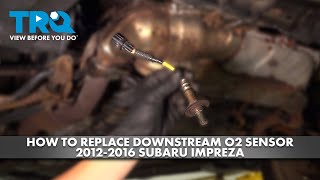
Yes, it is highly recommended. Old or contaminated oxygen sensors can send incorrect data to the car's computer, which can cause performance issues or even damage the new converter. Since you are already working on the exhaust, replacing them at the same time is a smart move and considered best practice.
Helpful Videos
Technical Specifications
OEM Part Numbers: 44620AD170 44620AE78A
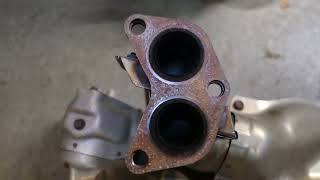
For 2009-2011 models, the catalytic converter is part of the front exhaust pipe assembly. For 2012-2017 models, it is typically an integrated exhaust manifold and catalytic converter assembly. The system uses one upstream (Air/Fuel Ratio) and one downstream (Oxygen) sensor to monitor efficiency. Replacement requires unbolting flanges at the cylinder heads and the connection to the mid-pipe.
We Have This Part in Stock

The information in this article is provided for general reference and educational purposes only. Vehicle specifications, procedures, and part compatibility can vary by production date, trim level, and region. Always consult your vehicle's factory service manual and verify part numbers before purchasing or performing repairs. Safety-critical components such as airbags, seat belts, and braking systems should be installed by a qualified professional.
- Subaru Impreza: