

Choosing the Right Aftermarket Brake Pads for Your 2009-2017 Volkswagen CC
Stop the squeal and dust by picking the perfect brake pads for your CC.
- Rear brake pad replacement requires a special scan tool to retract the electronic parking brake (EPB). Do not attempt without one.
- For most drivers, aftermarket ceramic pads from brands like Akebono or Bosch offer a low-dust, quiet alternative to dusty OEM pads.
- OEM-equivalent brands like ATE and Textar provide a factory-like feel and performance, as they are often the original suppliers for VW.
- Always verify your CC's specific sub-model and engine to ensure you order the correct size pads, as multiple options exist.
Signs Your VW CC Needs New Brake Pads
Your CC will give you clear warnings when its brake pads are wearing thin. Ignoring these signs can lead to more expensive repairs, like needing to replace the brake rotors. Be aware of these common symptoms:
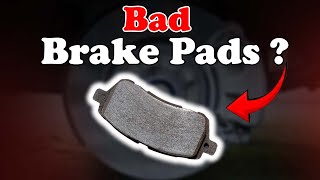
🎬 Watch: A visual guide to identifying bad brake pad symptoms.- Squealing or Grinding Noises: A high-pitched squeal when you brake is often the first sign. This sound comes from a small metal indicator built into the pads. If you hear a harsh grinding sound, it means the pads are completely worn out and metal is grinding against metal. This is a critical safety issue.
- Brake Warning Light: Many VW CC models are equipped with brake pad wear sensors. When the pads get too thin, a warning light will appear on your dashboard.
- Vibration in Pedal or Steering Wheel: If you feel a pulsing or shaking through the brake pedal or steering wheel when you brake, your brake rotors may be warped from heat, often as a result of worn pads.
- Reduced Stopping Power: If your car takes longer to stop or the brake pedal feels soft and spongy, your brake pads may be at the end of their life.
Rear Brakes and the Electronic Parking Brake (EPB)
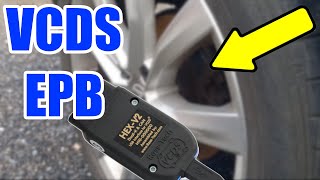
A critical detail for the 2009-2017 VW CC is the electronic parking brake (EPB). Unlike older cars, you cannot simply push the rear brake caliper pistons back to install new pads. You MUST use a compatible automotive scan tool to put the rear brakes into a special 'service mode'. 🎬 See how to safely retract the EPB using a scan tool. Attempting to force the piston back without a scan tool will damage the rear brake calipers, leading to a very expensive repair. This makes the rear brake pad replacement more complex than the front.
Choosing the Right Aftermarket Brake Pads for Your CC
Original VW brake pads are known for good stopping power but also for creating a lot of dark brake dust. Aftermarket pads offer a chance to customize your braking performance, often with less dust and at a better price. Here’s a breakdown of your options:
| Brand Tier | Description & Top Brands |
|---|---|
| OEM-Equivalent / Daily Driver | These pads aim to match the performance and feel of the original factory pads. They are a reliable choice for most drivers. Many of these brands are original suppliers to Volkswagen. Look for ceramic formulas for lower dust than the original pads. Brands: ATE, Textar, Pagid, Bosch, Brembo (standard line), Centric, Wagner, Raybestos. |
| Low-Dust Ceramic Upgrade | If you are tired of cleaning brake dust off your CC's wheels, a quality ceramic pad is the best choice. They offer quiet, clean operation and good stopping power for street driving. Brands: Akebono, Bosch QuietCast, Powerstop (Z23 Evolution Sport). |
| Performance / Spirited Driving | For drivers who want more aggressive stopping power and better resistance to brake fade during high-speed or mountain driving. These pads often create more noise and dust than ceramic options. Brands: Hawk Performance (HPS), EBC Brakes (RedStuff, YellowStuff), StopTech. |
Pro Tip: Many VW owners on forums recommend pairing Zimmermann or ATE rotors with Akebono or Textar pads for a combination that offers great performance, low dust, and a long life. Powerstop kits, which include pads and rotors, are also a popular all-in-one upgrade.
Common Ordering Mistakes
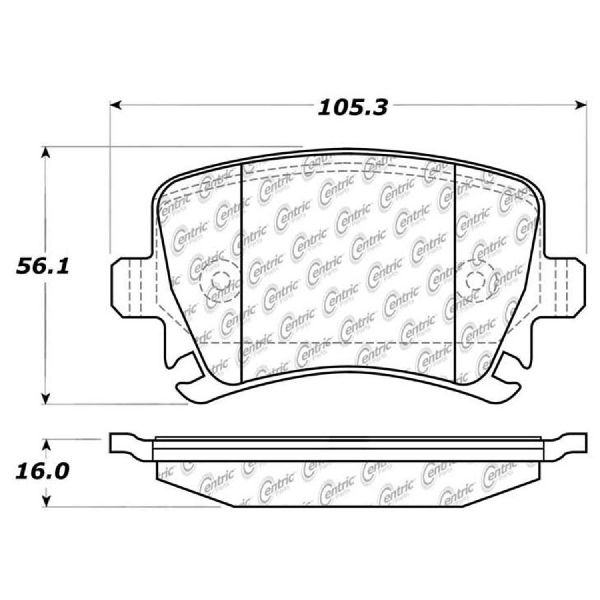
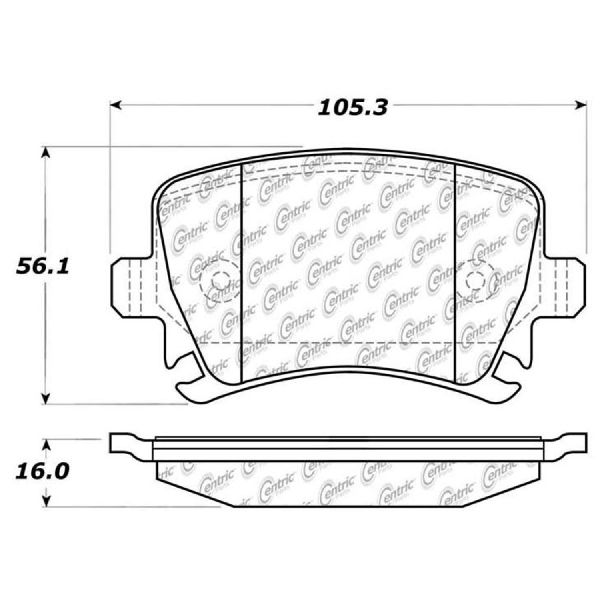
Be aware that Volkswagen used different brake sizes on the CC depending on the model year, engine, and trim level. Always verify your vehicle's specific details before ordering. The front and rear brake pads are different sizes and are sold as separate sets. It's also a good practice to replace brake rotors at the same time as the pads, especially if you feel any vibration when braking.
Frequently Asked Questions (FAQ)
Can I replace just the brake pads myself?
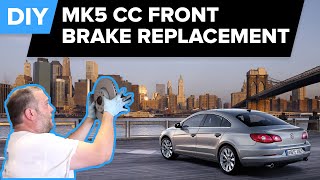
Replacing the front pads is a straightforward job for a DIY mechanic with the right tools. However, 🎬 Watch this step-by-step walkthrough for replacing your front brake pads. replacing the rear pads is more complex due to the electronic parking brake (EPB). You will need a specific scan tool to retract the caliper pistons. Without this tool, you risk damaging the calipers. If you don't have a VAG-COM/VCDS or a comparable scan tool, it's best to have a professional handle the rear brake replacement.
Do I need to replace the brake pad wear sensor?
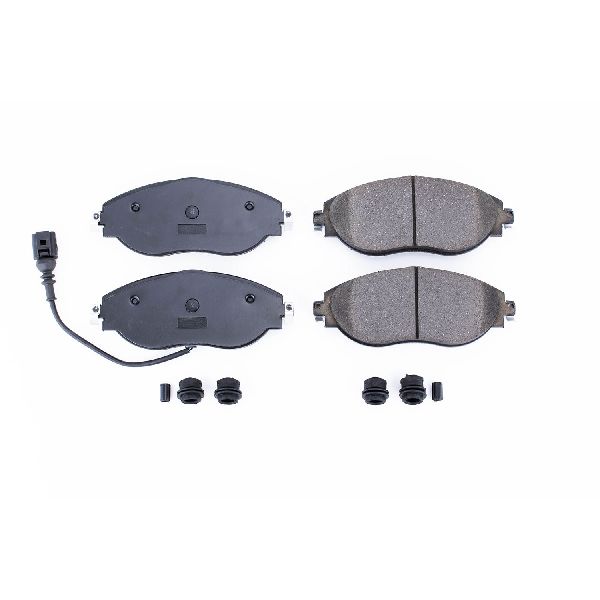
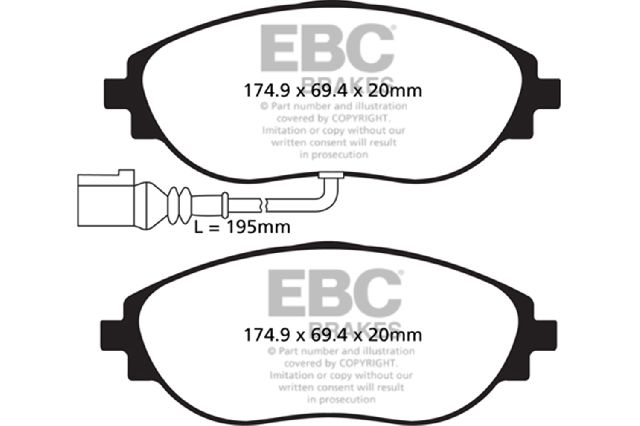
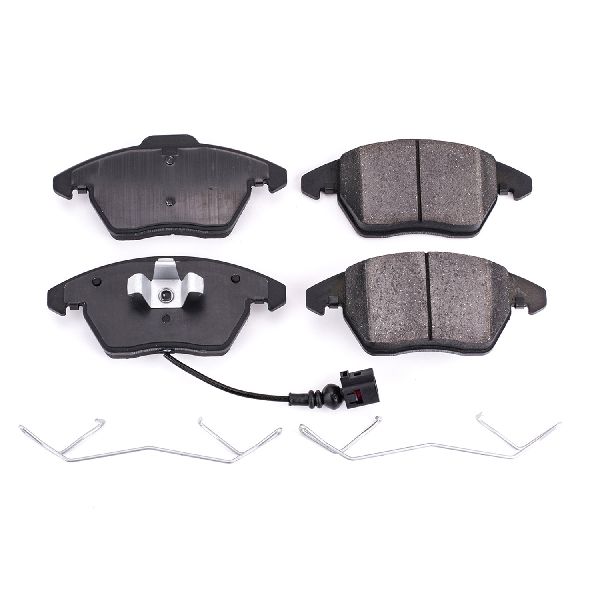
Yes. If your brake warning light is on, the sensor has been tripped and must be replaced. New sensors are inexpensive and often come included with higher-quality brake pad sets. The front pads typically have the wear sensor.
Why are my new brakes noisy?
New brakes can sometimes make noise during the 'bed-in' period as the pad material transfers to the rotor. This usually goes away. Persistent noise can be caused by not cleaning the caliper hardware or not applying brake grease to the correct contact points during installation. Performance pads can also be noisier by nature than standard ceramic pads.
Should I choose ceramic or semi-metallic pads?
For most VW CC owners, ceramic pads are the ideal choice. They offer a great balance of stopping power for daily driving, are very quiet, and produce minimal dust, keeping your wheels cleaner. Semi-metallic pads offer better performance in aggressive driving and track use but are generally noisier and dustier.
Helpful Videos
Technical Specifications
OEM Part Numbers: 1K0698151E 3C0698151C 3C0698151D 8J0698151K 3C0698451 3AA698451 5N0698451
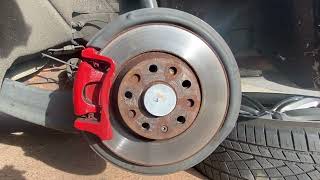
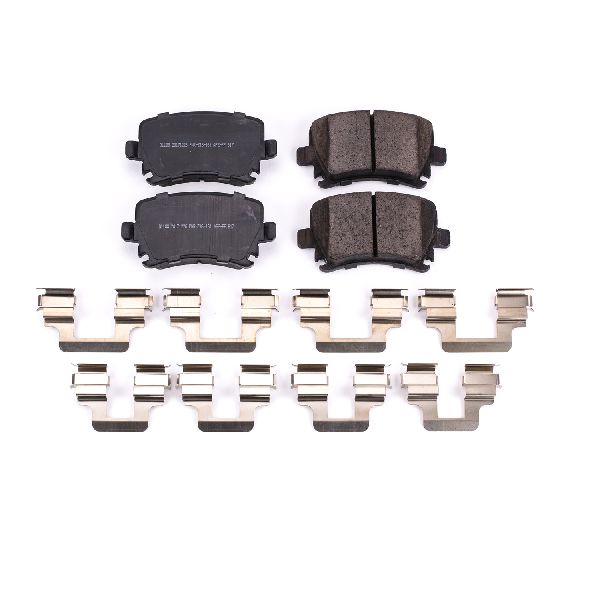
Brake pad replacement on the 2009-2017 VW CC requires different procedures for the front and rear. The front brakes are a standard disc brake setup. The rear brakes feature an Electronic Parking Brake (EPB) that requires a diagnostic scan tool (like VCDS/VAG-COM) to be placed in service mode before the caliper piston can be retracted. Failure to use a scan tool for the rear brakes will result in damage to the caliper motor. Front pads often include a slot for a wear sensor.
We Have This Part in Stock

The information in this article is provided for general reference and educational purposes only. Vehicle specifications, procedures, and part compatibility can vary by production date, trim level, and region. Always consult your vehicle's factory service manual and verify part numbers before purchasing or performing repairs. Safety-critical components such as airbags, seat belts, and braking systems should be installed by a qualified professional.
- Volkswagen CC: