

A Guide to the Fuel Pressure Sensor for the 2009-2017 Volkswagen CC
Address stalling, rough running, and power loss in your VW CC by understanding its fuel pressure sensor.
- A failing fuel pressure sensor on a VW CC will cause serious drivability issues like stalling, hard starts, and power loss.
- Check for open recalls; 2009-2016 models were recalled for a faulty fuel pump control module which causes similar symptoms.
- The 2.0T engine has two sensors; a correct diagnosis is crucial as the high-pressure sensor is very labor-intensive to replace.
- High-quality aftermarket brands like Vemo or Standard Ignition are recommended for reliability on this critical electronic part.
Is Your VW CC Stalling or Running Rough?

A failing fuel pressure sensor can cause a range of frustrating and noticeable problems. Because this sensor directly affects how much fuel your engine gets, a bad reading can throw everything off. You might notice one or more serious symptoms that make the car feel unreliable and unsafe to drive.
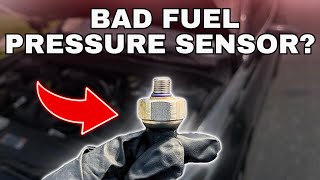
🎬 Watch this video to identify common fuel pressure sensor symptoms.Symptoms of a Failing Fuel Pressure Sensor

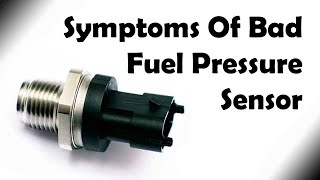
When a fuel pressure sensor fails, it sends incorrect information to the engine's computer, leading to a variety of drivability issues. Here are the most common signs:
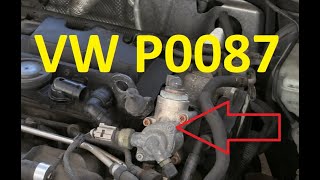
- Check Engine Light: This is often the first warning. The computer will detect that fuel pressure readings are out of range and store fault codes. Common codes include P0087 (Fuel Rail/System Pressure - Too Low), P0191 (Fuel Rail Pressure Sensor Circuit Range/Performance), and several others related to the low-pressure system like P310B, P129F, and P008A.
- Engine Stalling: The engine may stall unexpectedly, sometimes while you are driving, which can be a major safety risk. This can happen if the sensor incorrectly tells the computer that fuel pressure is too low.
- Hard Starting: Your CC may crank for a long time before it starts, or it might not start at all. This occurs when the ECU doesn't see the correct fuel pressure needed to initiate fuel injection.
- Poor Engine Performance: You may experience sluggish acceleration, hesitation, a rough idle, and a general loss of power. The engine isn't receiving the precise amount of fuel it needs to perform efficiently.
Known Issues: Recalls and Technical Service Bulletins (TSBs)
Safety Recall 20AE (NHTSA 17V509000): Volkswagen issued a recall for 2009-2016 CC models for a faulty fuel pump control module. An interruption of electrical power to the module could cause the fuel pump to fail, leading to an engine stall or a no-start condition. This is not the sensor itself, but it causes similar symptoms. A dealer will replace and relocate the module free of charge. You can check if your vehicle is affected on the NHTSA website.
TSB 2027458 / 01 12 20: VW released a bulletin for DTCs including P0087, P310B, and others related to the low-pressure fuel sensor (G410). Fuel could get into the sensor, causing it to send false signals. The fix is to replace the old sensor with an improved part (P/N 06E 906 051 K).
Choosing the Right Aftermarket Fuel Pressure Sensor

When replacing a fuel pressure sensor, you can choose between an original equipment (OEM) part from a dealer or an aftermarket part. For electronic components on a VW, quality is key to avoiding repeat repairs.
🎬 Learn the differences between OEM and aftermarket sensors here.- Tier 1 (OEM-Quality Aftermarket): Brands like Vemo and Standard Ignition (Standard Motor Products) are well-regarded choices. Vemo is often an OEM supplier for Volkswagen, and their parts are known for reliability. Standard Ignition is a long-standing manufacturer with a reputation for producing solid, dependable parts. Choosing one of these brands offers a good balance of quality and value.
- Tier 2 (Value-Oriented): Brands like Global Parts and Replacement offer direct-fit parts that meet original specifications at a lower cost. While more budget-friendly, they may not have the same long-term durability as OEM or Tier 1 brands. For a critical sensor that is difficult to access, investing in a higher-quality part is often recommended to save on future labor costs.
| Part/Service | Estimated Cost |
|---|---|
| New OEM Part | $150 - $250 |
| New Aftermarket Part | $32 - $170 |
| Shop Labor | $150 - $300+ |
| Total Professional Replacement | $182 - $550+ |
Note: Costs are estimates and can vary based on location, sensor type (high vs. low pressure), and specific vehicle condition. The high-pressure sensor (G247) is significantly more labor-intensive to replace.
Which Sensor Failed? High-Pressure vs. Low-Pressure
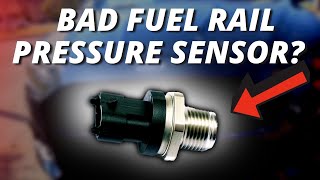
Your CC has two fuel pressure sensors, and symptoms can be similar. The high-pressure sensor (G247) is located on the fuel rail under the intake manifold, making it difficult and costly to replace. The low-pressure sensor (G410) is more accessible. A diagnostic scan that can read live fuel pressure data is the best way to determine which sensor has failed. Given the labor involved with the high-pressure sensor, a correct diagnosis is critical.
Frequently Asked Questions
Can I drive my VW CC with a bad fuel pressure sensor?
It is not recommended. The engine could stall at any time, including in traffic, which creates a serious safety hazard. You should have the vehicle inspected and repaired as soon as possible.
Is replacing the fuel pressure sensor a DIY job?
Replacing the low-pressure sensor (G410) is feasible for a DIYer with some experience. However, replacing the high-pressure sensor (G247) is a much more involved job because it is located under the intake manifold. Both jobs require relieving the fuel system pressure safely before starting work. Due to the complexity and safety precautions, many owners leave this job to a professional mechanic.
Could something else cause a P0087 code?
Yes. A P0087 code (Fuel Rail/System Pressure Too Low) doesn't always mean the sensor is bad. It can also be caused by a failing high-pressure fuel pump (HPFP), a failing low-pressure fuel pump, a clogged fuel filter, or a faulty fuel pump control module. Proper diagnosis is key to avoiding the replacement of unnecessary parts.
What's the difference between the high-pressure (G247) and low-pressure (G410) sensor?
The low-pressure sensor (G410) measures the fuel pressure coming from the in-tank pump, which is typically around 60-90 PSI. The high-pressure sensor (G247) measures fuel pressure in the fuel rail after it has been pressurized by the high-pressure fuel pump (HPFP), which can exceed 2,000 PSI. The G247 is located on the fuel rail, often under the intake manifold, while the G410 is on the low-pressure fuel line in the engine bay.
Helpful Videos
Technical Specifications
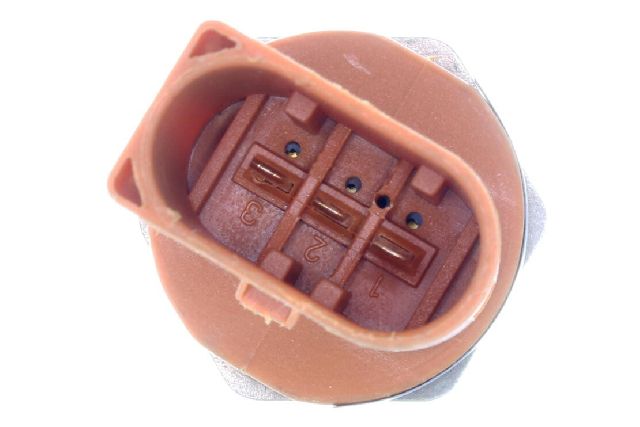
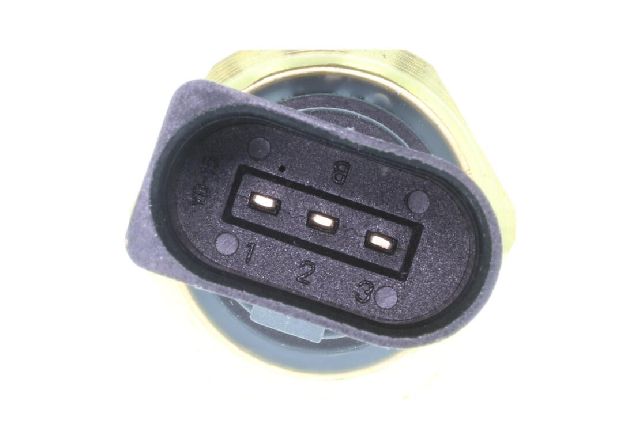
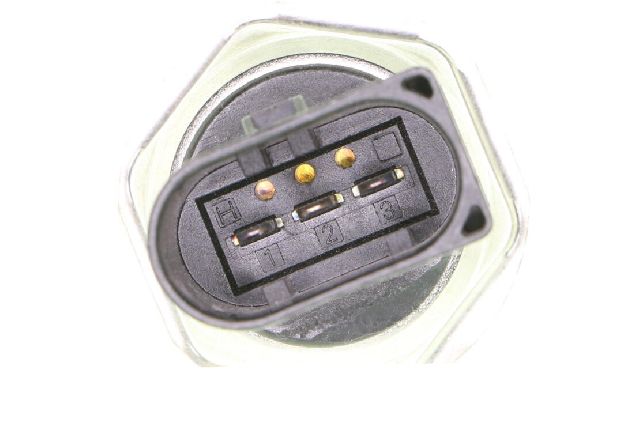
OEM Part Numbers: 06J906051C 06H906051A 06D906051A 03C906051D 06E906051K
The 2009-2017 VW CC uses two types of fuel pressure sensors: a low-pressure sensor (G410) for the supply line and a high-pressure sensor (G247) for the direct injection fuel rail.
We Have This Part in Stock


The information in this article is provided for general reference and educational purposes only. Vehicle specifications, procedures, and part compatibility can vary by production date, trim level, and region. Always consult your vehicle's factory service manual and verify part numbers before purchasing or performing repairs. Safety-critical components such as airbags, seat belts, and braking systems should be installed by a qualified professional.
- Volkswagen CC:
- 🎬 Helpful Videos
- 🛍️ Shop This Part
- Is Your VW CC Stalling or Running Rough?
- Symptoms of a Failing Fuel Pressure Sensor
- Known Issues: Recalls and Technical Service Bulletins (TSBs)
- Choosing the Right Aftermarket Fuel Pressure Sensor
- Which Sensor Failed? High-Pressure vs. Low-Pressure
- Frequently Asked Questions
- 🎟️ Get 5% Off