

Audi Q5 Disc Brake Pad Set Replacement Guide for 2009-2019 Models
Everything you need to know before buying and replacing the brake pads on your Audi Q5.
- Rear brake pad replacement requires a diagnostic tool to retract the Electronic Parking Brake (EPB); failure to use one will damage the calipers.
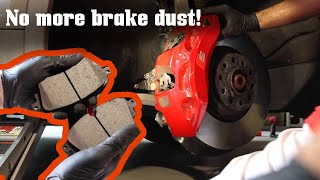
- OEM brake pads are known for creating heavy, dark brake dust; switching to aftermarket ceramic pads (like Akebono) is a popular fix.
- Always replace brake wear sensors with the pads; they are a one-time-use item and often come included in quality pad sets.
- Some 2018-2019 models were recalled for a serious brake master cylinder defect; verify your VIN with an Audi dealer.
Symptoms of Failing Brake Pads

Your Audi Q5 has systems to alert you when your brake pads are low. Pay attention to these signs to avoid more expensive repairs.
- Brake Warning Light: The most obvious sign. Your Q5 is equipped with brake pad wear sensors that trigger a light on your dashboard when the pads are nearly worn out.
- Squealing or Grinding Noises: A high-pitched squeal when you apply the brakes is an early warning. A louder, harsher grinding sound means the pads are completely worn, and you are likely causing damage to the brake rotors.
- Vehicle Pulling to One Side: If your Q5 pulls to the left or right when braking, it could indicate an issue with a caliper or uneven pad wear.
- Spongy or Soft Brake Pedal: If the brake pedal feels less firm than usual or sinks towards the floor, it could be a sign of worn pads or a problem with the brake hydraulic system.
- Vibration: A pulsing or vibrating feeling in the brake pedal or steering wheel when braking often points to warped brake rotors, which can happen when pads are overdue for replacement.
Vehicle-Specific Issues for 2009-2019 Audi Q5
Recall on 2018-2019 Models: A recall (NHTSA ID: 19V277000, Audi ID: 47O9) was issued for some 2018-2019 Q5 and SQ5 models for a brake master cylinder that could cause sudden brake failure. Check with an Audi dealer to see if your vehicle is affected.
Technical Service Bulletins (TSBs): Audi has issued TSBs for brake noise (squealing, groaning) and rattling from loose front brake retaining pins on some 2018+ models. Another TSB addresses squeaking from the brake booster area.
Excessive Brake Dust: The most common complaint from owners, especially on the 2009-2017 (B8) generation, is the large amount of dark brake dust from the original equipment (OEM) pads. This is a side effect of the soft pad material used for strong stopping power.
Brake Wear Sensor Faults: Your Q5 may show an intermittent brake wear warning light even with good pads. This is often caused by a damaged sensor wire or a poor connection, not the pad itself.
Choosing the Right Aftermarket Brake Pads

Original Audi pads provide excellent stopping power but create a lot of dust. Aftermarket pads offer a chance to tailor your Q5's braking feel, noise, and cleanliness to your preference.
Brand & Quality Tiers
Economy Pads (Pronto, Dynamic Friction, Total Stopping Solutions):
These are the most affordable options. They will stop your vehicle safely but may not offer the same lifespan, low noise, or stopping feel as higher-end pads. They are a budget-friendly choice for general-purpose driving.
OEM-Spec & Low-Dust Ceramic Pads (Akebono, Textar, Pagid, Bosch, Centric):
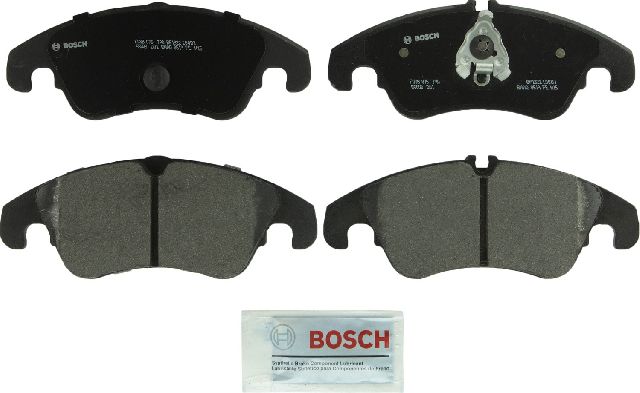
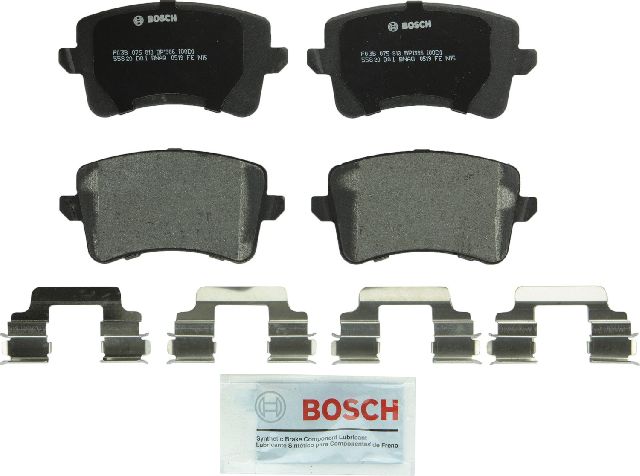
This is the most popular category for Q5 owners. Brands like Textar and Pagid are often original equipment suppliers to Audi. Akebono ceramic pads are highly recommended by owners as the best solution for the brake dust problem, offering quiet operation and clean wheels with a slight trade-off in initial bite compared to stock pads. Bosch and Centric also provide excellent quality that meets or exceeds OEM specifications.
Performance / Heavy-Duty Pads (Brembo, Hawk, EBC Brakes, Powerstop):
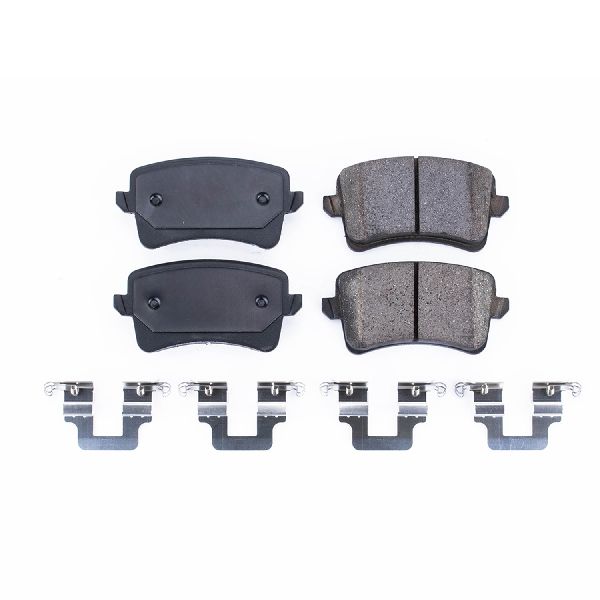
If you tow with your Q5 or simply want more aggressive stopping power, these brands are for you. They are designed for higher heat resistance and improved performance under heavy use. Powerstop offers popular kits that often include upgraded rotors. 🎬 Watch this review of Powerstop Z23 pads on an SQ5. Keep in mind some performance pads can create more dust and noise than ceramic options.
A Note on Brake Rotors
It is best practice to replace or resurface your brake rotors at the same time you replace the pads. Audi dealerships will often insist on this. Installing new pads on old, worn rotors can reduce braking performance and cause noise.
| Pad Type | Price Range (Front or Rear Set) |
|---|---|
| Economy Aftermarket | $30 - $70 |
| OEM-Spec / Ceramic Aftermarket | $70 - $180 |
| Performance Aftermarket | $120 - $350+ |
| Audi OEM | $200 - $250+ |
Frequently Asked Questions (FAQ)

Can I replace Audi Q5 brake pads myself?
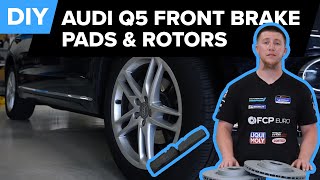
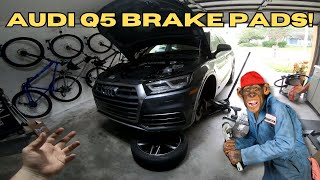
Yes, this is a DIY-feasible job if you have the right tools and experience. However, the rear brakes require a special procedure. The front brakes are a more traditional job.
🎬 Watch: Step-by-step front brake and rotor replacement for 2013-2017 models.What is special about replacing the rear brake pads?
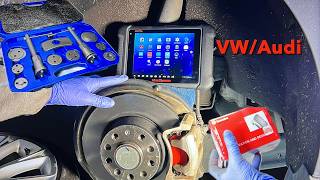
All 2009-2019 Q5 models have an Electronic Parking Brake (EPB). You MUST use a compatible automotive scan tool (like VCDS, OBDeleven, or a professional scanner) to put the rear brake calipers into a 'service mode' before you can press the pistons back. Attempting to force the piston back without doing this will destroy the electronic motor inside the caliper, leading to a very expensive repair.
🎬 See how to safely put your parking brake in service mode.How can I solve the heavy brake dust on my wheels?
The best long-term solution is to switch from the OEM semi-metallic pads to a quality set of ceramic brake pads, such as those from Akebono. They produce significantly less dust.
Do I need to replace the brake wear sensor?
Yes. The wear sensor is a one-time-use part designed to break when the pads wear down. Most quality aftermarket pad sets include a new sensor. If not, you must purchase one separately for the job to be complete and for the warning light to function correctly.
Helpful Videos
Technical Specifications
Brake system varies by specific model year and equipment (e.g., 2.0T vs 3.0T). Always verify fitment using your vehicle's VIN. Rear pads require a tool to retract the Electronic Parking Brake (EPB). OEM pad material is typically semi-metallic. Popular aftermarket materials include ceramic for low dust and performance compounds for heavy-duty use. OEM supplier brands include Textar and Pagid.
We Have This Part in Stock
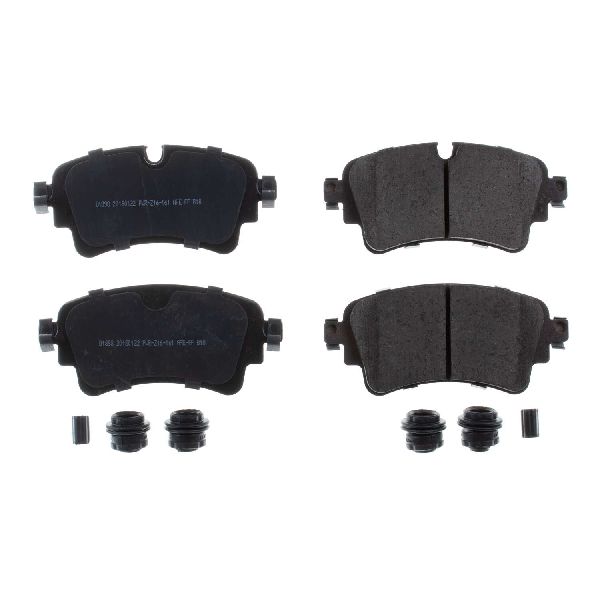
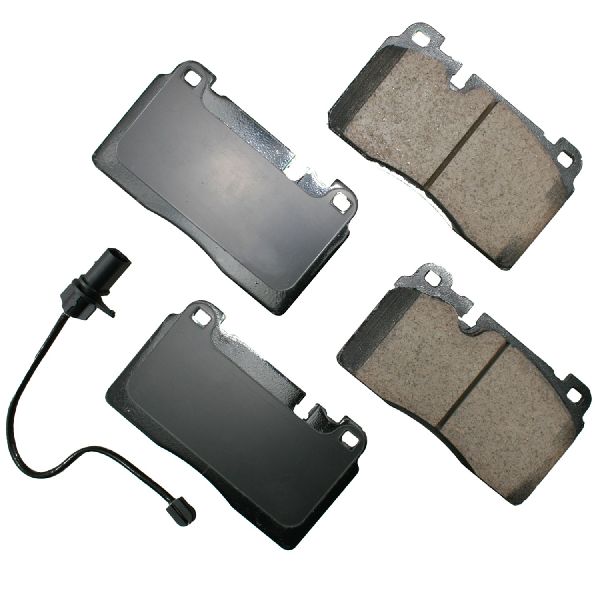
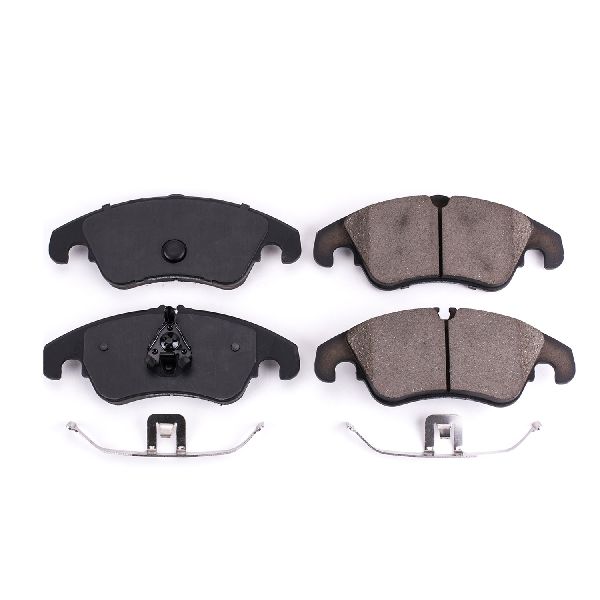

The information in this article is provided for general reference and educational purposes only. Vehicle specifications, procedures, and part compatibility can vary by production date, trim level, and region. Always consult your vehicle's factory service manual and verify part numbers before purchasing or performing repairs. Safety-critical components such as airbags, seat belts, and braking systems should be installed by a qualified professional.
- Audi Q5: