

Engine VVT Solenoid Guide for 2010-2015 Volkswagen Jetta
Experiencing rough idle or a check engine light? Your Jetta's VVT solenoid could be the culprit.
- A bad VVT solenoid will almost always trigger a Check Engine Light with codes like P0016 or P0011.
- The most common cause of failure is dirty engine oil; using the correct synthetic oil and changing it on time is crucial.
- Replacement is a manageable DIY task for most, typically taking under an hour with basic tools.
- Quality aftermarket brands like Febi, Standard Ignition, and Dorman offer reliable alternatives to more expensive OEM parts.
Is Your Jetta's VVT Solenoid Failing?

A bad VVT solenoid can cause a range of noticeable engine problems. The most common cause of failure is dirty or old engine oil, which can clog the small screens and passages inside the solenoid. Ignoring these symptoms can lead to worse performance and potentially more expensive engine damage down the road.
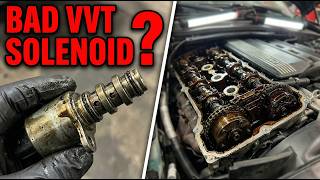
🎬 Watch: 5 symptoms of a bad VVT solenoid you should never ignore.Symptoms of a Bad VVT Solenoid:
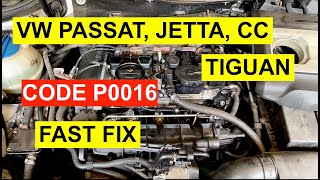
- Check Engine Light: This is often the first sign. The car's computer detects a problem with the camshaft timing and stores a trouble code. Common codes include P0011, P0016, and P0341. 🎬 See how to diagnose a P0016 code on your Jetta.
- Rough Idle and Stalling: Your Jetta might shake, idle unevenly, or even stall when you're stopped. This happens because the solenoid can't regulate timing correctly at low speeds.
- Poor Engine Performance: You may feel a loss of power, sluggish acceleration, and general hesitation from the engine.
- Decreased Fuel Economy: When valve timing is off, the engine burns more fuel than necessary, causing you to visit the gas station more often.
- Engine Noises: A rattling or ticking sound from the engine, especially at idle or low speeds, can be caused by the VVT system not getting proper oil pressure.
Choosing the Right Aftermarket VVT Solenoid

When replacing the VVT solenoid on your 2010-2015 Jetta, you don't have to buy an expensive OEM part from the dealer. Aftermarket brands offer a range of quality options that can save you money.
Aftermarket Brand Tiers
| Tier | Brands | Quality & Notes |
|---|---|---|
| Premium Aftermarket | Standard Ignition (SMP), Febi, Vaico/Vemo, NGK | These brands are often considered OEM-equivalent and are known for high-quality engineering and materials. They undergo extensive testing to meet or exceed original performance. Febi is a well-regarded German brand often used in European vehicles. |
| Quality Aftermarket | Dorman, Gates, Beck Arnley, Holstein | Dorman is a widely known brand that often re-engineers parts to fix common failure points of the original design. Gates and Beck Arnley are also trusted names that provide reliable, vehicle-specific fits. |
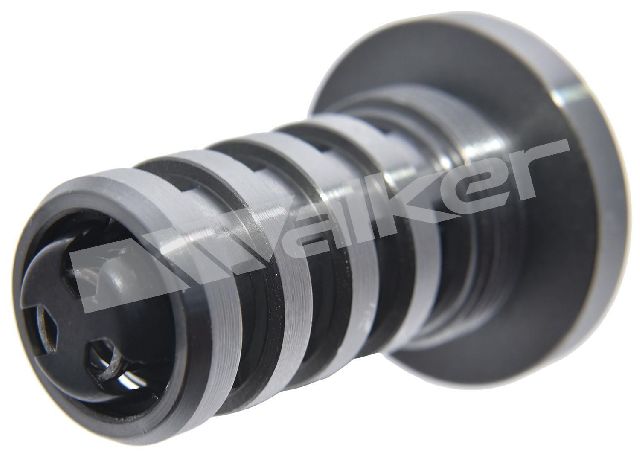
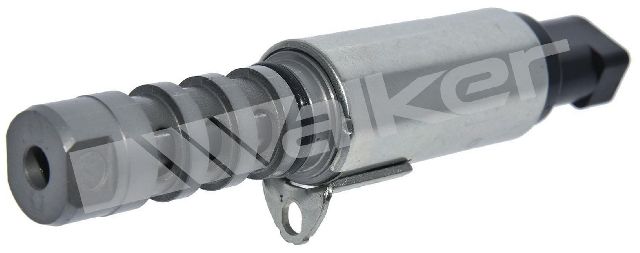
| Standard/Budget | Walker Products, Spectra, Rostra, Global Parts, Motorad | These brands offer a cost-effective solution for repairs. While they meet basic fit and function requirements, they may not have the same longevity or advanced materials as premium brands. They are a good choice for budget-conscious repairs. |
A Note on Oil Quality
The leading cause of VVT solenoid failure is contaminated or incorrect engine oil. Always use the full synthetic oil that meets VW specifications for your Jetta's engine and follow regular oil change intervals. This is the best way to protect your new VVT solenoid and the entire VVT system.
Cost of Replacing a VW Jetta VVT Solenoid

The total cost depends on whether you do the job yourself or hire a professional mechanic. The part itself is relatively affordable, but labor can add to the final price.
| Part/Service | Estimated Cost |
|---|---|
| New OEM Part | $179 - $271 |
| New Aftermarket Part | $33 - $349 |
| Shop Labor | $86 - $170 |
| Total Professional Replacement | $265 - $440+ |
Frequently Asked Questions

Can I replace the VVT solenoid myself?
Yes, this is a DIY-friendly job for many home mechanics. The solenoid is usually located on the top of the engine near the valve cover and is held in by one or two bolts. The basic steps involve disconnecting the battery, unplugging the electrical connector, removing the bolt(s), and carefully pulling the old solenoid out. However, on some Jetta engines, the part may be in a tight spot, so having the right tools like Torx sockets is important.
Do I need a special tool to replace the VVT solenoid?
For most 2010-2015 Jetta engines, you will likely only need basic hand tools like a socket set and possibly Torx bits. However, some specific VW engines have a control valve that is reverse-threaded and requires a special tool to remove without causing the timing to jump. Always verify the specific procedure for your engine (e.g., 2.0T, 2.5L) before starting.
Are there any recalls for the Jetta VVT solenoid?
A search of the NHTSA database did not show any specific recalls for the Engine VVT Solenoid on 2010-2015 Volkswagen Jetta models. Recalls found were for different model years or different components.
Should I clean my old VVT solenoid or just replace it?
Some owners attempt to clean a sticky solenoid with a suitable solvent as a temporary fix, and sometimes it works if the issue is just sludge. However, if the solenoid has an internal electrical failure or the screens are damaged, cleaning won't help. Given the affordable price of aftermarket replacements and the importance of the part, replacement is the most reliable solution.
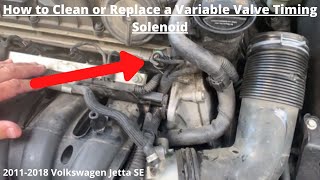
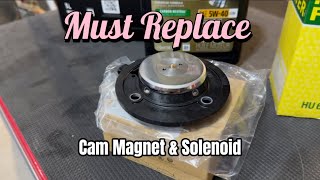
🎬 Watch this walkthrough on how to clean or replace the solenoid.Helpful Videos
Technical Specifications
OEM Part Numbers: 06L109257F 06L109259D 06H109257A 06L109257H
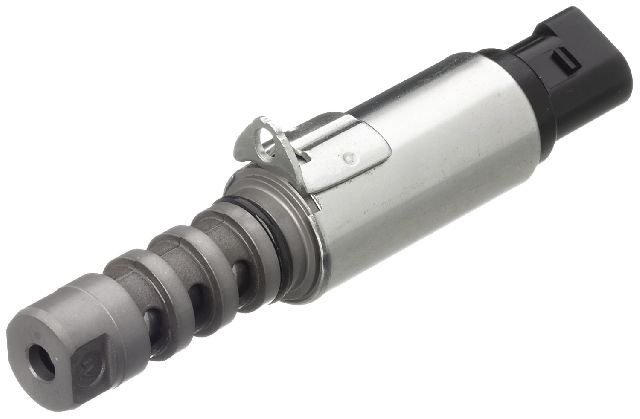
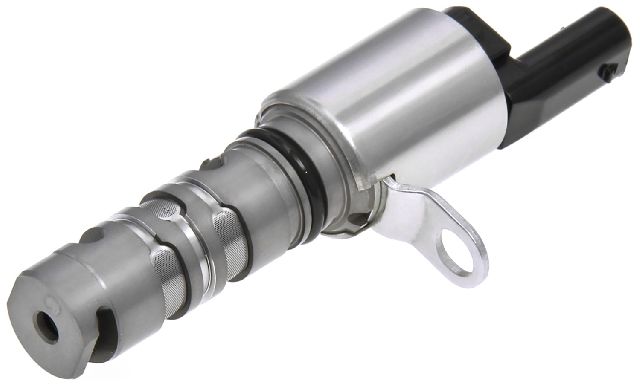
Typically a 12V, 2-pin electromagnetic solenoid. The exact part number can vary based on the specific engine in your Jetta (e.g., 1.8T, 2.0T, 2.5L), so verifying with your vehicle's VIN is recommended.
We Have This Part in Stock


The information in this article is provided for general reference and educational purposes only. Vehicle specifications, procedures, and part compatibility can vary by production date, trim level, and region. Always consult your vehicle's factory service manual and verify part numbers before purchasing or performing repairs. Safety-critical components such as airbags, seat belts, and braking systems should be installed by a qualified professional.
- Volkswagen Jetta: