

Chevrolet Cruze 2010-2019 Oxygen Sensor: A Guide to Replacement
Understanding the oxygen sensors in your Cruze is key to maintaining engine health and fuel economy.
- Your Cruze has two distinct oxygen sensors (upstream and downstream) that are not interchangeable.
- A check engine light with codes like P0135 or P0141 could be a simple blown fuse in the under-hood fuse box.
- Sticking with reputable aftermarket brands like ACDelco, Denso, Bosch, or NGK is highly recommended for this vehicle.
- A special slotted socket is required to remove and install the oxygen sensors without damaging the wiring.
Is an Aftermarket Oxygen Sensor a Good Choice for Your Cruze?

When it's time to replace an oxygen sensor in your 2010-2019 Chevrolet Cruze, you'll find both Original Equipment (OEM) and aftermarket options. For a vehicle like the Cruze, many aftermarket sensors offer a quality and reliability that is on par with the OEM part, but at a more budget-friendly price. Some owners report that their Cruze can be sensitive to non-OEM electronic sensors. However, sticking with reputable aftermarket brands that are also OEM suppliers, like ACDelco (the original GM supplier), Denso, or Bosch, is a safe bet. These brands are known for manufacturing sensors to the precise specifications required by your car's computer. Cheaper, lesser-known brands might save you money initially, but they can sometimes lead to performance issues or false check engine light codes.
Choosing the Right Aftermarket Oxygen Sensor

Not all aftermarket sensors are created equal. Here’s a breakdown of trusted brands for your Cruze:
- Top Tier (OEM Suppliers): ACDelco is the original GM parts supplier, so their sensor is a direct replacement for the factory part. Denso and NGK (NTK) are also major OEM suppliers known for their high quality and reliability; many owners and mechanics recommend them.
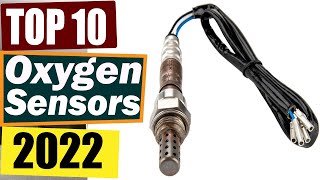
- Excellent Quality: Bosch invented the modern oxygen sensor and is a highly trusted name in the aftermarket, known for its robust engineering. Delphi is another strong choice with a good reputation for producing reliable electronic components. 🎬 Watch this review of the best aftermarket oxygen sensors.
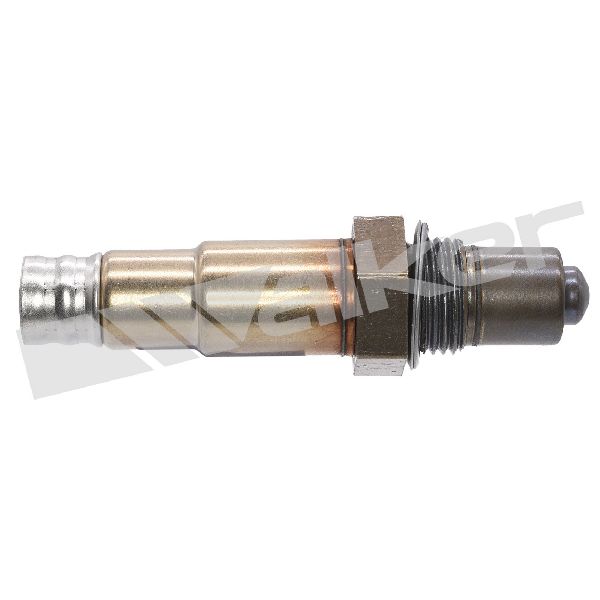
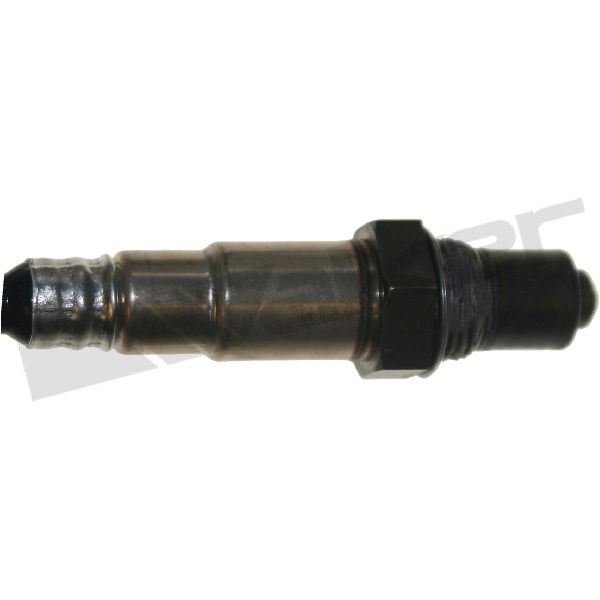
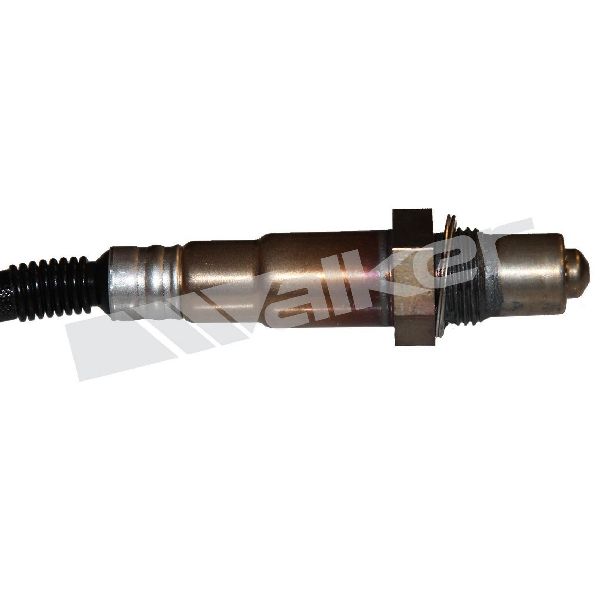
- Reliable Mid-Tier & Budget Options: Brands like Walker Products, Spectra, and DriveWire offer a more affordable alternative. While they may not have the same OEM pedigree, they can provide good value and performance for many drivers.
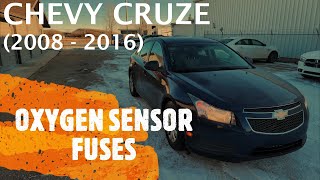
Pro Tip: Before you replace a sensor, check the fuse first! A blown fuse for the oxygen sensor heater circuit can trigger a check engine light and mimic the symptoms of a failed sensor. For the upstream sensor (Sensor 1), check fuse #47 in the under-hood fuse box. For the downstream sensor (Sensor 2), check fuse #11.
🎬 See exactly where to find these oxygen sensor fuses.Oxygen Sensor Replacement Costs for Chevrolet Cruze (2010-2019)
| Part Type | Price Range |
|---|---|
| New Aftermarket Oxygen Sensor | $37.25 - $145.55 |
| Shop Labor Cost | $75 - $150 |
Known Issues & Recalls

There are no specific recalls from the National Highway Traffic Safety Administration (NHTSA) for oxygen sensor failures on the 2010-2019 Chevrolet Cruze. However, a Technical Service Bulletin (TSB) was issued for some 2016-2017 models for a P015B code, which was caused by an overly sensitive Engine Control Module (ECM) calibration, not a faulty sensor. Another TSB from 2014 put a restriction on parts for the 2.0L Diesel engine's heated oxygen sensor to gather more data on failures. A common mistake during repairs is swapping the connectors for the oxygen sensor and the intake air pressure sensor, which can cause multiple trouble codes.
Frequently Asked Questions (FAQ)

Which oxygen sensor do I need, upstream or downstream?
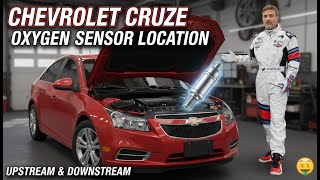
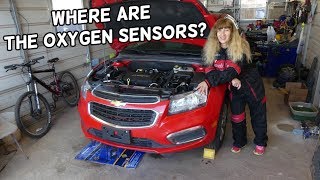
You must identify which sensor has failed. An OBD-II scanner will provide a trouble code that specifies either "Sensor 1" (upstream) or "Sensor 2" (downstream). The upstream and downstream sensors are not interchangeable, even if they look similar. The upstream sensor is located on the exhaust manifold before the catalytic converter, while the downstream sensor is located further down the exhaust system, after the catalytic converter.
🎬 Watch a video showing both sensor locations on the Cruze.Can I replace just one oxygen sensor?
Yes. You only need to replace the sensor that has failed. Oxygen sensors do not need to be replaced in pairs. However, they have a typical lifespan of around 100,000 miles, so if one fails, the other may not be far behind.
What tools do I need to replace a Cruze oxygen sensor?
You will need a special oxygen sensor socket, which has a slot for the wire to pass through. You'll also need a ratchet and possibly an extension. Applying penetrating oil to the old sensor's threads before trying to remove it can make the job much easier, as they can be very tight. New sensors typically come with anti-seize compound already applied to the threads.
What do the common oxygen sensor codes mean?
Codes from P0130 to P0141 often point to an oxygen sensor issue. For example, P0131 and P0137 indicate low voltage for Sensor 1 and Sensor 2 respectively, while P0135 and P0141 point to a malfunction in the heater circuit for each sensor. A P0420 code (Catalyst System Efficiency Below Threshold) can sometimes be caused by a faulty downstream oxygen sensor, but it can also indicate a failing catalytic converter.
Helpful Videos

Technical Specifications
OEM Part Numbers: 55572216 55574136
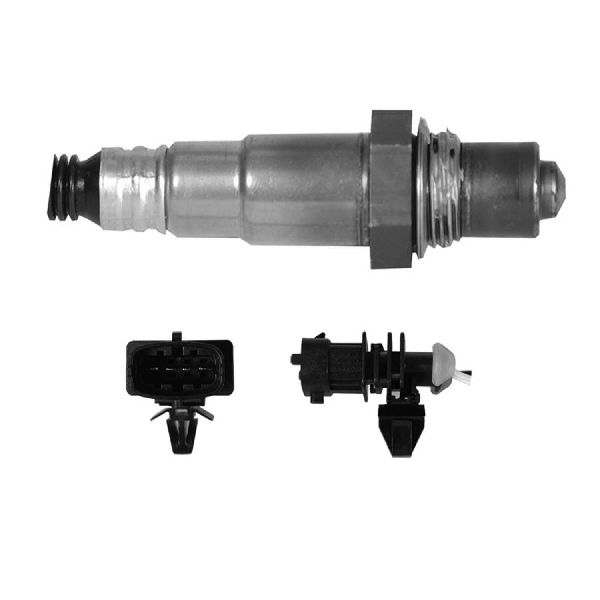
The 2010-2019 Chevrolet Cruze uses two heated oxygen sensors. One is an upstream sensor (Bank 1, Sensor 1) for air-fuel ratio monitoring, and the other is a downstream sensor (Bank 1, Sensor 2) for monitoring catalytic converter efficiency. Both 1.4L and 1.8L engines have this configuration.
We Have This Part in Stock



The information in this article is provided for general reference and educational purposes only. Vehicle specifications, procedures, and part compatibility can vary by production date, trim level, and region. Always consult your vehicle's factory service manual and verify part numbers before purchasing or performing repairs. Safety-critical components such as airbags, seat belts, and braking systems should be installed by a qualified professional.
- Chevrolet Cruze: