

Ford Expedition Engine Crankcase Breather Hose Guide (2010-2021)
Understanding the signs of a failing crankcase breather hose on your Expedition and how to choose the right replacement.
- A cracked breather hose is a common cause of a rough idle and lean codes (P0171, P0174) on Ford Expeditions.
- Symptoms include a hissing noise, Check Engine Light, and potentially oil leaks if the hose is clogged.
- This is a DIY-friendly repair for most owners, often taking less than an hour.
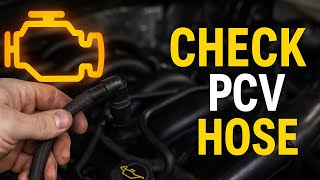
- When replacing the hose, it's a good practice to also replace the PCV valve, as they often come as an assembly.
Is Your Expedition's Breather Hose Failing?
The crankcase breather hose on your 2010-2021 Ford Expedition is made of rubber or plastic that becomes brittle over time due to constant exposure to heat and oil vapors. When it cracks or collapses, it creates a vacuum leak, which can cause a variety of engine problems.
Common Symptoms of a Bad Hose:
- Rough Idle: The most common symptom is a rough or unstable idle. A vacuum leak lets unmetered air into the engine, disrupting the air-fuel ratio.
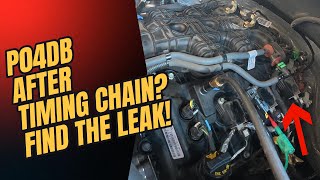
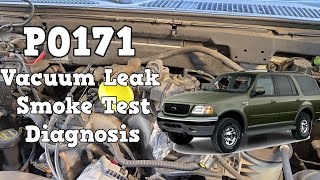
- Check Engine Light: A vacuum leak will often trigger a Check Engine Light. You may see lean condition codes like P0171 and P0174, 🎬 Watch: How these lean codes relate to your breather hose. or a crankcase ventilation code like P04DB. 🎬 See how a simple hose check can fix code P04DB.
- Hissing Noise: You might hear a distinct whistling or hissing sound from the engine bay, which is air being sucked through a crack in the hose. 🎬 Watch: Using a smoke test to find hidden vacuum leaks.
- Oil Leaks: If the hose is clogged or collapsed, pressure can build in the crankcase and force oil past gaskets and seals, leading to leaks. You might also notice oil residue around the PCV valve and hose itself.
A Note on EcoBoost Engines
For 2018-2019 Expeditions with the 3.5L EcoBoost engine, Ford issued Technical Service Bulletin (TSB) 20-2132. It addresses excessive oil consumption which may be related to a concern with the PCV system. While this TSB involves replacing the valve covers, it highlights the importance of a properly functioning ventilation system on these engines. A failing breather hose can contribute to similar pressure-related issues.
Choosing the Right Aftermarket Breather Hose
For a part like this, you don't necessarily need to pay dealership prices for an OEM part. Quality aftermarket brands offer reliable, cost-effective alternatives. The key is to choose a hose made from the correct, oil-resistant material that won't collapse under vacuum.
- Gates: Gates is a highly respected brand that is often an original equipment supplier to automakers. Their hoses are known for quality materials and precise fitment. They are a top-tier choice for an aftermarket replacement.
- Standard Ignition (SMP): Standard is another leading aftermarket manufacturer with a strong reputation for producing parts that meet or exceed OEM specifications. Their products are a dependable option for this repair.
Pro Tip: Many crankcase breather hoses for the Expedition come as an assembly that includes the PCV valve. Given the low cost and importance of the valve, it's smart to replace both the hose and the valve at the same time.
Cost to Replace a Ford Expedition Crankcase Breather Hose
| Part Type | Price Range |
|---|---|
| New Aftermarket (Gates, Standard Ignition) | $38 - $91 |
| New OEM (Ford Motorcraft) | $45 - $120 |
| Shop Labor | $75 - $150 |
*Prices are estimates and can vary based on location, engine type, and specific part configuration.
Frequently Asked Questions
Can I drive my Expedition with a cracked breather hose?
While you can drive short distances, it's not recommended. A cracked hose can lead to poor fuel economy, rough running, and potentially damage other components over time if ignored. It's best to get it replaced as soon as possible.
How hard is it to replace the breather hose myself?
For most models, this is a relatively easy DIY job that requires basic hand tools. The hose is usually accessible on top of or on the side of the engine. On some models, especially older 5.4L V8s, a hose connection at the back of the engine can be difficult to reach. The job typically takes less than an hour.
What's the difference between a breather hose and a PCV valve?
The PCV valve is a one-way valve that controls the flow of gases, while the breather hose is the tube that connects the valve to the intake manifold. They work together as part of the same system. Often, they are replaced as a single assembly.
Are there any recalls for this part on the 2010-2021 Expedition?
Our search found no specific recalls for the crankcase breather hose itself. However, there is a TSB (20-2132) for some 3.5L EcoBoost models related to oil consumption and the PCV system.
Helpful Videos
Technical Specifications
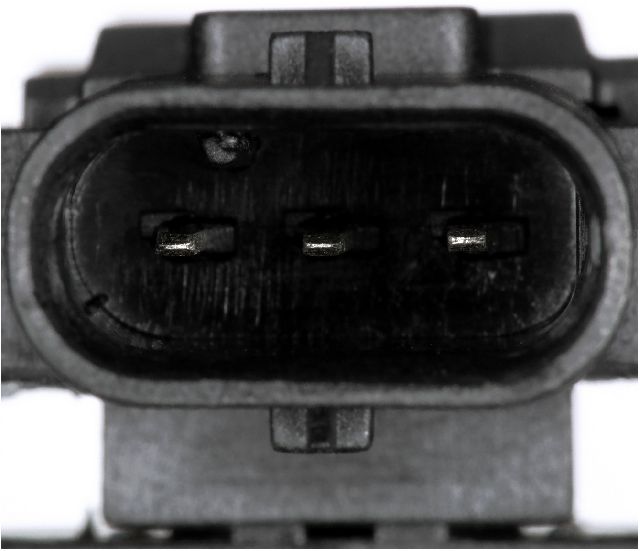
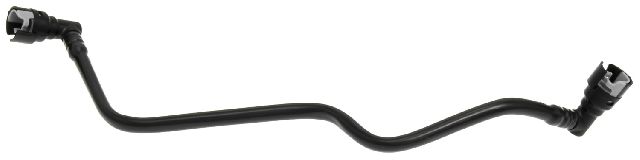
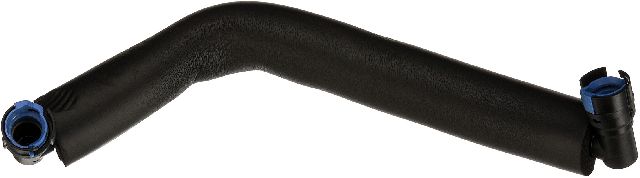
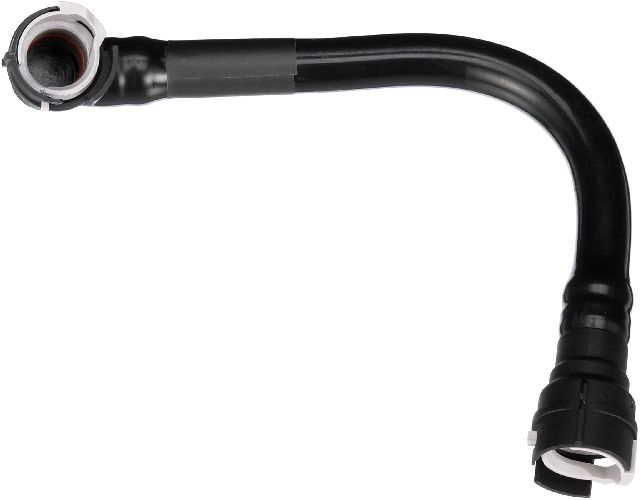
Vehicle-specific molded hose assembly, often includes PCV valve. Material must be resistant to oil, fuel vapors, and vacuum collapse. Configurations vary between the 5.4L V8 (pre-2015) and 3.5L EcoBoost V6 engines.
We Have This Part in Stock


The information in this article is provided for general reference and educational purposes only. Vehicle specifications, procedures, and part compatibility can vary by production date, trim level, and region. Always consult your vehicle's factory service manual and verify part numbers before purchasing or performing repairs. Safety-critical components such as airbags, seat belts, and braking systems should be installed by a qualified professional.
- Ford Expedition: