

Volvo XC60 (2010-2021) Fuel Pressure Sensor: A Complete Replacement Guide
Experiencing stalling, a rough idle, or a check engine light in your Volvo XC60? Your fuel pressure sensor could be the culprit.
- First, identify if you need the high-pressure (fuel rail) or low-pressure (fuel line) sensor, ideally by reading the specific trouble code.
- For 2015-2016 models, check with a dealer if your vehicle is covered under the extended warranty for the low-pressure sensor.
- Bosch is the recommended aftermarket brand as it is often the original equipment supplier, ensuring the best fit and reliability.
- Replacing the fuel rail sensor is a manageable DIY task for many owners, which can save on labor costs.
Is Your XC60's Fuel Pressure Sensor Failing?

When a fuel pressure sensor starts to go bad, it sends incorrect information to your car's main computer. This can cause a variety of noticeable problems. Ignoring these symptoms can lead to further engine issues, poor fuel economy, and unexpected stalling.
High-Pressure vs. Low-Pressure Sensor
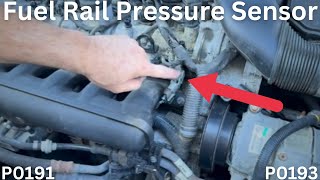
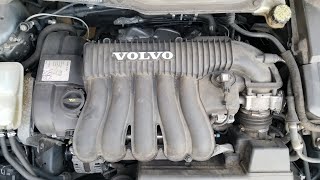
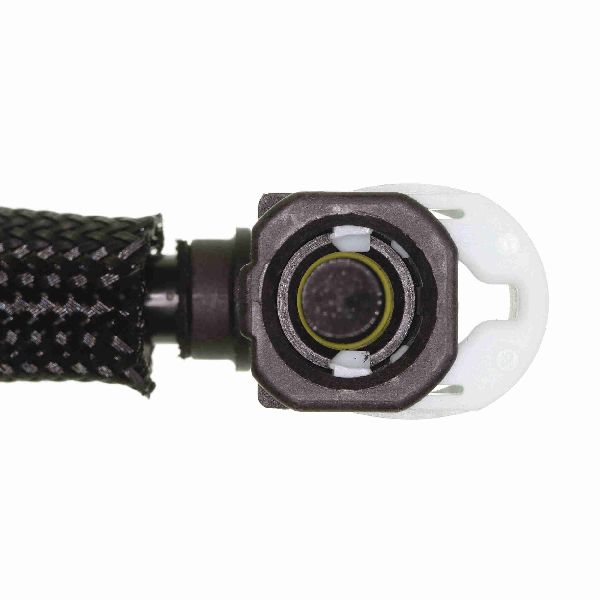
Before buying a part, it's critical to know which sensor your XC60 needs. Many models in this year range use both a low-pressure and a high-pressure sensor. The low-pressure sensor is typically located on the fuel line, while the high-pressure sensor is mounted directly on the fuel rail on top of the engine. A diagnostic scan that provides a specific trouble code is the best way to identify which sensor has failed.
Known Issues for 2010-2021 Volvo XC60
- Extended Warranty (2015-2016 models): Volvo issued an extended warranty for the Low Pressure Fuel Sensor (LPS) on some 2015-2016 XC60s for 8 years or 80,000 miles. This was due to a defect that could trigger the check engine light with code ECM-P018C00. If you own one of these model years and are under the mileage, check with a Volvo dealer. 🎬 See how to replace the sensor on 2015 models yourself.
- Fuel Pump Fuse Recall (2019-2020 models): A recall was issued for a 15-amp fuse for the low-pressure fuel pump that could blow, causing the engine to stall. The fix was to replace it with a 20-amp fuse. While not a sensor issue, the symptoms (stalling) are similar.
Choosing the Right Aftermarket Fuel Pressure Sensor

When it comes to electronic sensors for a European vehicle like your Volvo, brand quality matters. Here’s a breakdown of the brands you'll find.
- Tier 1: OEM Supplier (Bosch)
Bosch is a well-regarded brand and is the original equipment manufacturer for many Volvo parts, including the fuel pressure sensor. Choosing Bosch is the safest bet for aftermarket fit, performance, and longevity. It is often the exact same part as the one from the dealer, just without the Volvo logo and associated price markup. - Tier 2: Aftermarket Equivalents (Standard Ignition, Vemo)
Brands like Standard Ignition and Vemo are established aftermarket manufacturers. They offer a balance between price and quality. While generally reliable, they may not have the same rigorous testing or exact material specifications as the OEM part. - Tier 3: Value-Oriented (URO Parts, Replacement)
These brands focus on providing the most affordable options. While a URO Parts or generic 'Replacement' sensor can get your vehicle back on the road, their long-term reliability can be inconsistent for sensitive electronic parts. They can be a viable option for a budget-conscious repair, but for a critical sensor like this, investing in a higher-tier brand is often recommended.
Cost to Replace a Volvo XC60 Fuel Pressure Sensor

The cost can vary significantly based on which sensor needs replacing (high or low pressure) and who does the work.
| Part Type | Estimated Cost |
|---|---|
| New Aftermarket | $42 - $417 |
| New OEM (Dealer) | $150 - $450+ |
| Shop Labor | $50 - $150 |
| Total Professional Replacement | $92 - $600+ |
Pro Tip: The high-pressure sensor on the fuel rail is often a straightforward DIY replacement for those with basic tools, potentially saving you over $100 in labor.
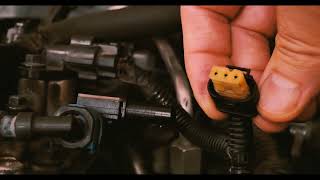
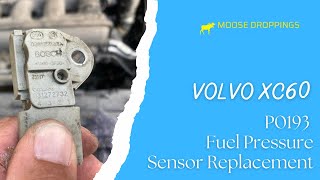
🎬 Watch this step-by-step guide to replacing the fuel rail sensor.Frequently Asked Questions

Can I replace the fuel pressure sensor myself?
Yes, for many XC60 engines, the high-pressure sensor on the fuel rail is accessible and can be replaced with basic tools like a T25 Torx bit. The key steps are to relieve the fuel system pressure by pulling the fuel pump fuse, disconnecting the battery, and having rags ready for minor fuel spillage. The low-pressure sensor may be more difficult to access. Always wear safety glasses when working with fuel systems.
Where is the fuel pressure sensor located on my XC60?
This depends on the engine. The high-pressure sensor is almost always found at the end of the metal fuel rail that sits on top of the engine. The low-pressure sensor is located along the fuel line between the fuel tank and the engine. A quick search for your specific engine (e.g., 'XC60 T6 fuel pressure sensor location') will provide visuals.
What is the most common mistake when ordering this part?
The most common mistake is ordering the wrong sensor. Because many XC60s have both a high-pressure and a low-pressure sensor, you must correctly diagnose which one has failed. Ordering based on a specific trouble code (like P018C for the low-pressure sensor) is the most accurate method.
Is there a recall for the fuel pressure sensor on my XC60?
There is no direct recall for the sensor itself across all years. However, 2015-2016 models had an extended warranty for the low-pressure sensor, and 2019-2020 models had a recall for a fuel pump fuse that causes similar stalling symptoms.
Helpful Videos
Technical Specifications
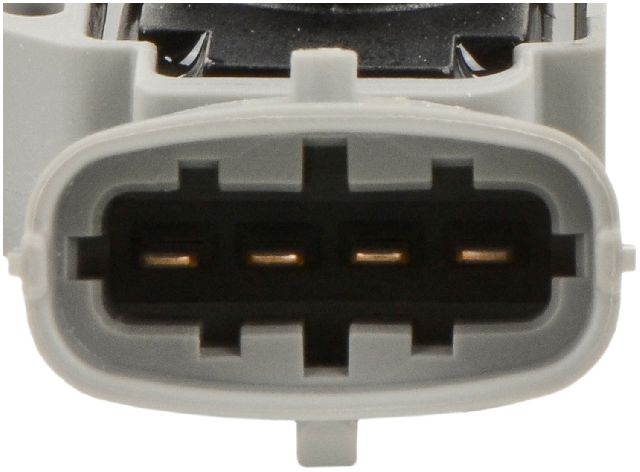
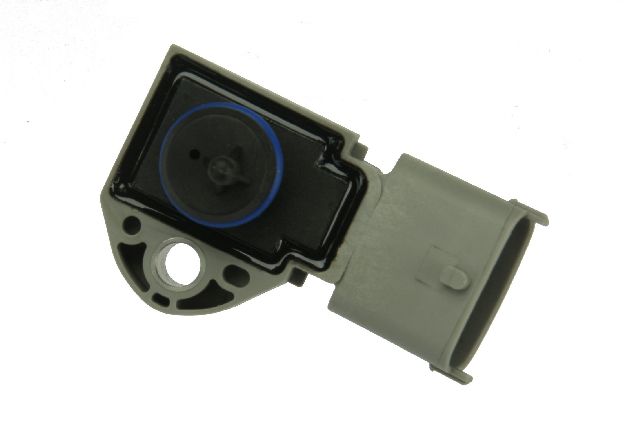
OEM Part Numbers: 31272732 32242867 31432653 31405791 32363464
Varies by engine and model year. Both high-pressure (on fuel rail) and low-pressure (on fuel line) versions exist. A T25 Torx bit is commonly needed for replacement of the rail sensor.
We Have This Part in Stock


The information in this article is provided for general reference and educational purposes only. Vehicle specifications, procedures, and part compatibility can vary by production date, trim level, and region. Always consult your vehicle's factory service manual and verify part numbers before purchasing or performing repairs. Safety-critical components such as airbags, seat belts, and braking systems should be installed by a qualified professional.
- Volvo XC60: