

Nissan Frontier Engine Crankshaft Position Sensor Guide (2010-2022)
Fix stalling, no-start problems, and the P0335 code on your Nissan Frontier by understanding and choosing the right crankshaft sensor.
- Sudden stalling and no-start issues are the most common symptoms, often with code P0335.
- For reliability, only use a genuine Nissan or Hitachi-branded replacement sensor.
- Replacement requires removing the passenger wheel and fender liner for access.
- Failure of this sensor is a common problem on the 2010-2022 Frontier, but it is a manageable DIY repair.
Is Your Frontier Stalling or Not Starting? It Could Be the Crank Sensor.

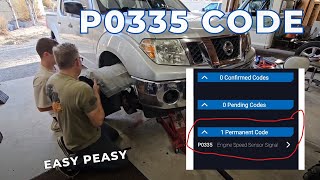
If you own a 2010-2022 Nissan Frontier, you might experience sudden engine stalling, especially when the truck is warm. Other common issues include the engine cranking but refusing to start, a rough idle, or a noticeable loss of power. These are classic signs of a failing crankshaft position sensor. This sensor is a known weak point on the Frontier platform, and when it fails, it can leave you stranded. The problem will almost always trigger the Check Engine Light and store a P0335 trouble code.
Choosing the Right Aftermarket Sensor: A Critical Decision

When it comes to this specific part on your Frontier, brand choice is everything. While many aftermarket options exist, owner and mechanic experiences point to one clear recommendation.
| Brand Tier | Recommended Brands | Why? |
|---|---|---|
| Tier 1: OE Supplier | Hitachi | Hitachi is the Original Equipment (OE) manufacturer for Nissan's crank and cam sensors. This is the exact same quality as the part you'd get from a Nissan dealer, just in a different box. For reliability, this is the best choice. |
| Tier 2: Reputable Aftermarket | Denso, NGK/NTK, Delphi | These are well-known brands with a history of producing quality sensors. While not the OE supplier for this specific part, they are generally a safe bet if Hitachi is unavailable. |
| Tier 3: Budget Options | Dorman, Standard Ignition, and other store brands | Use with caution. While the low price is tempting, forum discussions and mechanic reports frequently mention these cheaper sensors failing quickly or being dead-on-arrival for Nissan vehicles. Using them can lead to doing the job twice. |
Pro Tip: To save money without sacrificing quality, buy the Hitachi-branded sensor. It provides OEM performance without the dealership price tag.
Known Issues for the 2010-2022 Nissan Frontier
While there are no active recalls for the crankshaft position sensor on this specific year range, the failure is a well-documented problem. A Technical Service Bulletin (TSB) was issued for some 2019 models for a crankshaft inspection, but this was a factory quality check and not related to in-service sensor failures. The primary issue is sensor failure due to heat and age, leading to the symptoms described.
Installation & Replacement

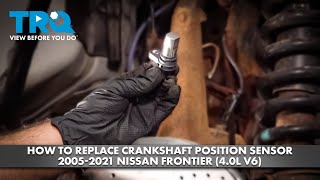
Replacing the crankshaft sensor on a V6 or 4-cylinder Frontier is the same process. The sensor is located on the passenger side of the truck, on the bell housing where the engine meets the transmission. Access is tight. The job requires:
- Jacking up the vehicle and securing it on jack stands.
- Removing the front passenger-side wheel.
- Removing the plastic fender liner to gain access to the back of the engine.
- Locating the sensor (it's under a rubber boot), disconnecting the electrical plug, and removing a single 10mm bolt.
While the steps are simple, the lack of space can make it frustrating. A mechanic can typically do this in about an hour. A DIYer should plan for 1-2 hours.
Frequently Asked Questions (FAQ)

Where is the crankshaft position sensor located on my Frontier?
It's on the passenger side of the vehicle, at the rear of the engine where it connects to the transmission. You must remove the passenger wheel and inner fender liner to see and reach it.
Can I really use a cheaper aftermarket sensor?
You can, but it is strongly discouraged by the Nissan community. The failure rate for non-OEM/Hitachi sensors on these trucks is very high, often causing the same problems to return within a short period.
Is it hard to replace the sensor myself?
The replacement itself is easy—it's just one 10mm bolt. The difficulty comes from the very tight workspace. If you have patience and basic tools, it is a manageable DIY job.
Should I replace the camshaft sensors at the same time?
It is often recommended. The camshaft and crankshaft sensors work together, and they are of similar age and construction. Replacing all of them (two cam sensors, one crank sensor) at the same time can prevent future issues, as failure of one often precedes the failure of the others.
Helpful Videos

Technical Specifications
OEM Part Numbers: 23731-EA20D 23731-EA20C 23731-EA20A
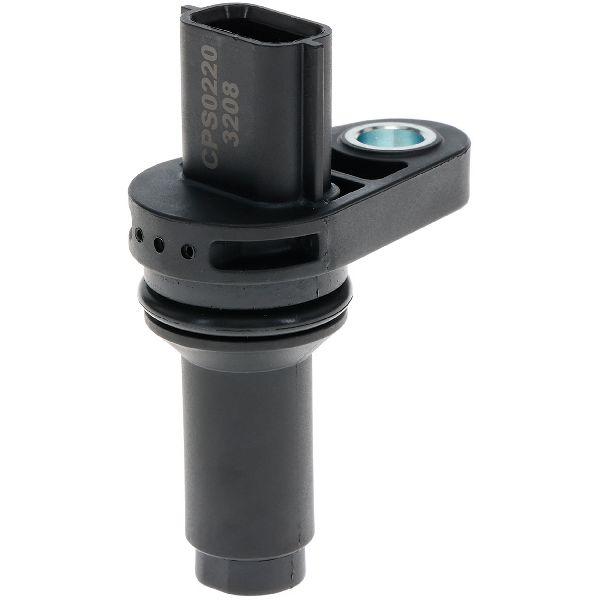
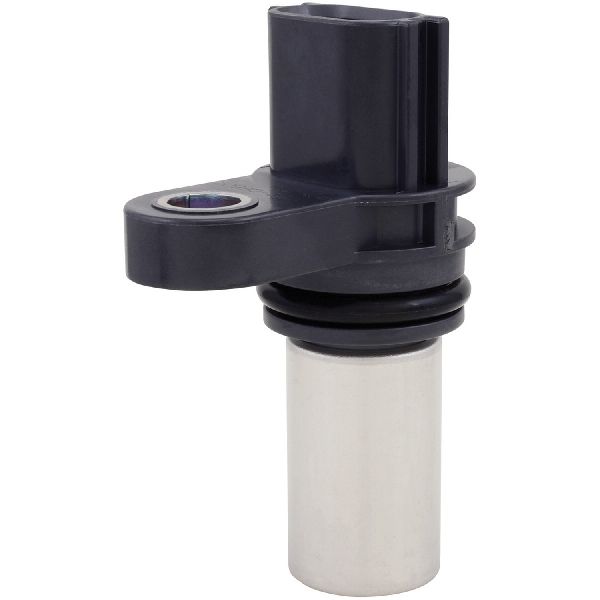
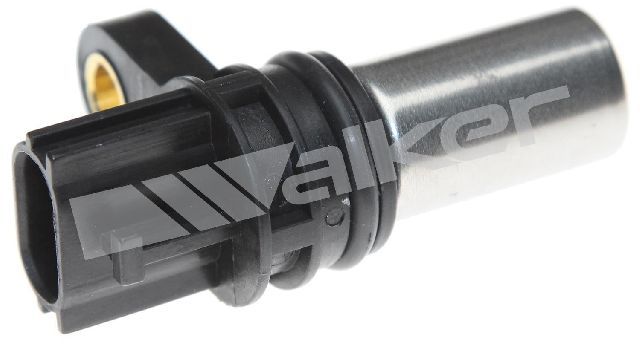
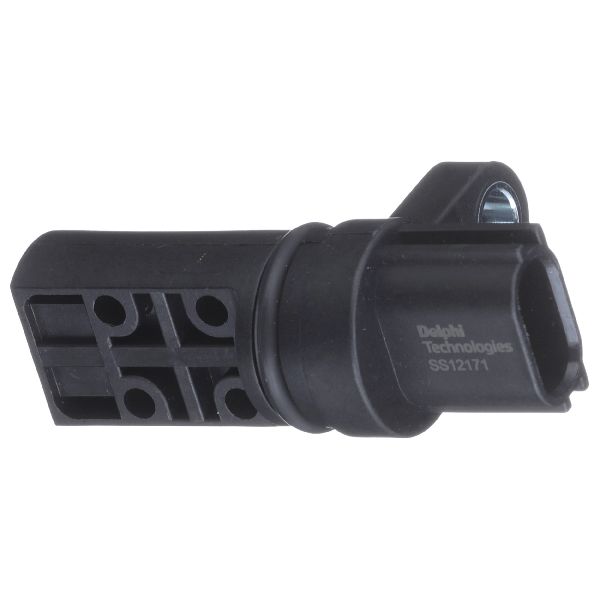
This is a Hall Effect sensor that reads the position of the crankshaft via a reluctor wheel on the flywheel/flexplate. It is located on the passenger side of the transmission bell housing.
We Have This Part in Stock


The information in this article is provided for general reference and educational purposes only. Vehicle specifications, procedures, and part compatibility can vary by production date, trim level, and region. Always consult your vehicle's factory service manual and verify part numbers before purchasing or performing repairs. Safety-critical components such as airbags, seat belts, and braking systems should be installed by a qualified professional.
- Nissan Frontier: