

2011 Ram Dakota Engine Coolant Temperature Sensor: A Replacement Guide
Fix poor fuel economy and erratic gauge readings by understanding how to choose and replace the right coolant sensor for your truck.
- A bad ECT sensor commonly causes a Check Engine Light (P0117, P0118), poor fuel economy, and an inaccurate temperature gauge.
- Replacement is a simple DIY task, taking less than an hour with a 3/4-inch deep socket.
- Sensor location is engine-specific: on the 3.7L V6 it's between the alternator and A/C compressor; on the 4.7L V8 it's on the front of the intake manifold.
- For sensors, investing in a quality aftermarket brand like Delphi or a genuine Mopar part is recommended over budget options to ensure accuracy.
Is Your Dakota's Coolant Sensor Failing?
A faulty Engine Coolant Temperature (ECT) sensor can cause a surprising number of problems. Because the sensor's reading is so important for engine management, a bad signal can make your truck run poorly. The engine's computer might think the engine is always cold, leading it to constantly inject too much fuel. Or, it might fail to warn you of an overheating engine. Paying attention to these symptoms can save you from bigger headaches down the road.
Key Failure Symptoms:
- Check Engine Light: This is often the first sign. The computer will log a fault code like P0117, P0118, or P0128.
- Poor Fuel Economy: If the sensor sends a constant "cold" signal, the computer will enrich the fuel mixture, causing your truck to use more gas than necessary.
- Black Smoke from Exhaust: An overly rich fuel mixture from a bad sensor reading can result in unburnt fuel exiting the tailpipe as black smoke.
- Inaccurate Temperature Gauge: The gauge on your dash may read very high, very low, or not move at all.
- Engine Overheating: If the sensor fails to signal that the engine is hot, the electric cooling fans may not turn on when needed.
- Rough Idle and Hard Starts: The wrong fuel mixture can make the engine idle poorly or be difficult to start, especially when warm.
No Recalls, But A Known Failure Part
There have been no official recalls or Technical Service Bulletins (TSBs) issued for the engine coolant temperature sensor on the 2011 Ram Dakota. However, like any electronic sensor, it is subject to failure over time due to heat and corrosion.
Choosing the Right Aftermarket Sensor
When it comes to sensors, quality and accuracy matter. While it can be tempting to buy the cheapest option, a low-quality sensor can provide inaccurate readings, leading to the same performance issues as a failed one. For a critical part like the ECT sensor, it's wise to choose a reputable brand.
- Premium Aftermarket (OEM-Equivalent): Brands like Delphi are often original equipment manufacturers for many car brands and are a trusted choice for reliability and accuracy. These are your best bet for a fit-and-forget repair.
- Standard Aftermarket: Brands like Standard Ignition (SMP), Beck Arnley, and Holstein offer a balance of quality and price. They are generally reliable, though some forum users note that quality can sometimes be inconsistent compared to OEM or premium brands.
- Budget Brands: Brands like Dorman or other lower-cost options are available, but be cautious. While they may work, some owners report premature failure or inaccurate readings, forcing you to do the job twice.
| Part Type | Price Range |
|---|---|
| New OEM (Mopar) | $60 - $70 |
| New Aftermarket | $19.37 - $61.44 |
| Shop Labor | $80 - $120 |
DIY Installation is Easy
Replacing this sensor is a straightforward job that most owners can do at home in under 30 minutes with basic tools. This makes it a very cost-effective repair if you do it yourself.
Frequently Asked Questions
Where is the ECT sensor located on the 2011 Ram Dakota?
The location depends on your engine. On the 3.7L V6, the sensor is at the front of the engine, on top, located between the alternator and the A/C compressor. On the 4.7L V8, it is located on the front of the intake manifold.
Can I replace this sensor myself?
Yes, this is a great DIY task for beginners. You will need a 3/4-inch deep socket and a ratchet. Make sure the engine is completely cool, then partially drain the coolant from the radiator until the level is below the sensor. Unscrew the old sensor, wrap the threads of the new sensor with Teflon tape, and install it. Be careful not to overtighten.
What happens if I don't replace a bad sensor?
Ignoring a bad sensor will lead to persistent poor fuel mileage, a constant check engine light, and potential failed emissions tests. In the worst-case scenario, if the sensor fails to report an overheating condition, you risk severe and expensive engine damage.
Is this the same as the coolant level sensor?
No. The Engine Coolant Temperature sensor measures the temperature of the coolant. A coolant level sensor, which is not equipped on all vehicles, only measures the amount of coolant in the reservoir or radiator.
Technical Specifications
OEM Part Numbers: 5149077AA 5149077AB 5149096AA 68045803AA
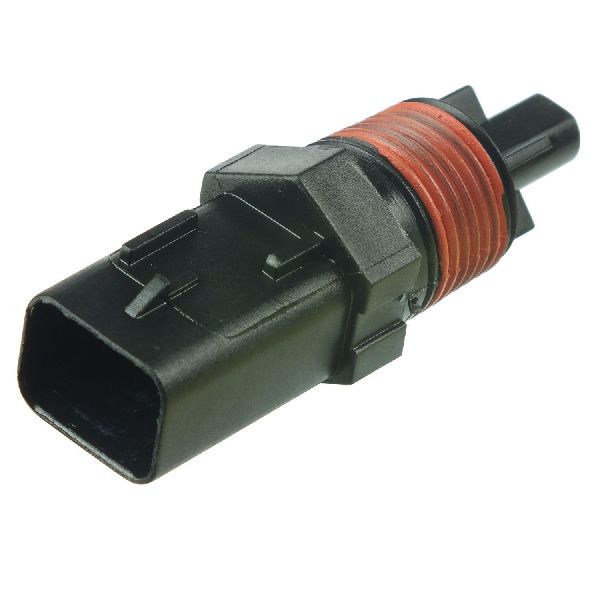
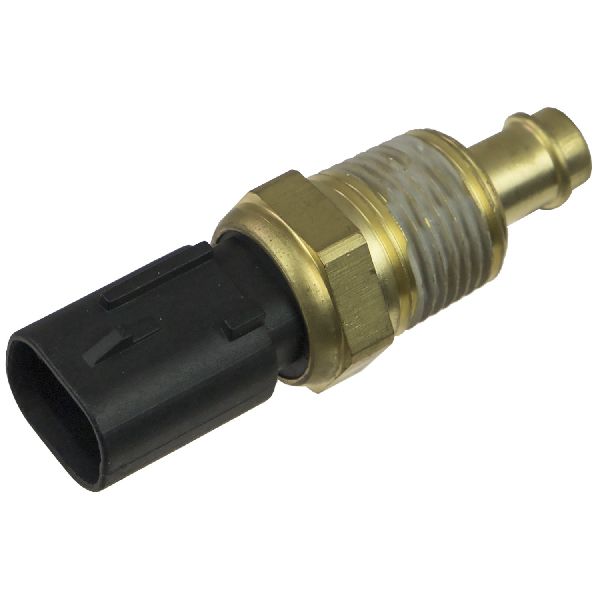
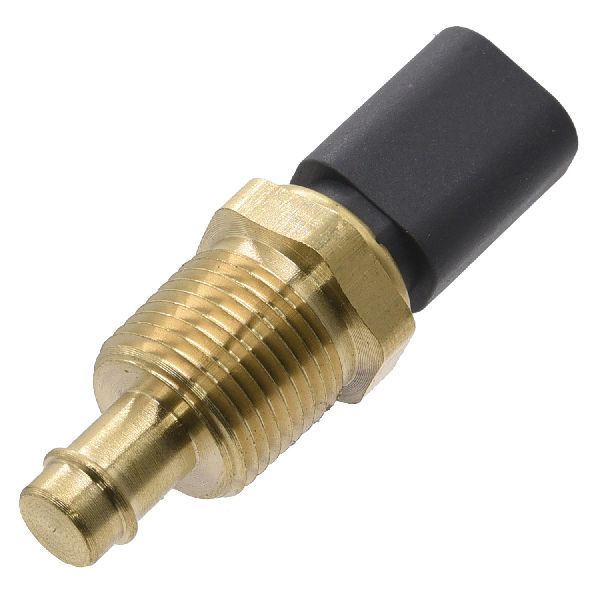
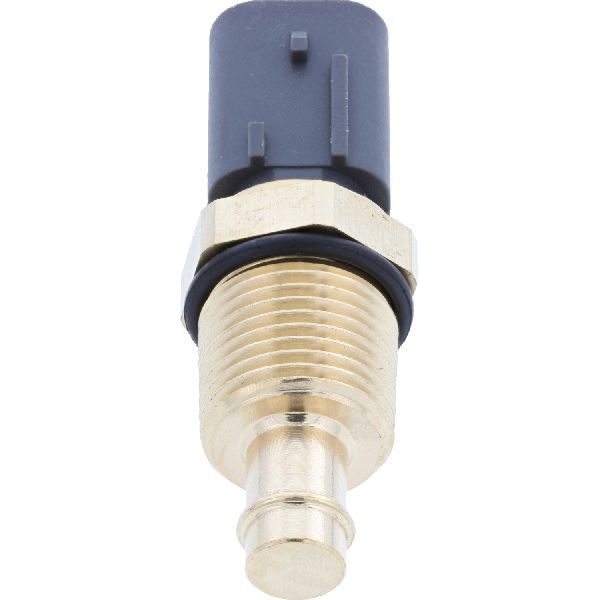
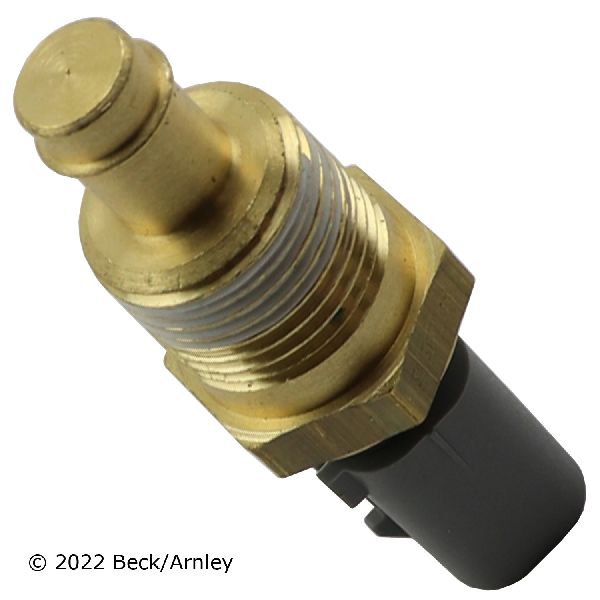
Two-pin, threaded sensor. Requires a 3/4-inch deep socket for installation.
We Have This Part in Stock


The information in this article is provided for general reference and educational purposes only. Vehicle specifications, procedures, and part compatibility can vary by production date, trim level, and region. Always consult your vehicle's factory service manual and verify part numbers before purchasing or performing repairs. Safety-critical components such as airbags, seat belts, and braking systems should be installed by a qualified professional.
- Ram Dakota: