

A Guide to the Radiator Coolant Hoses on Your 2011-2016 BMW 535i
Don't let a cracked plastic fitting leave your 535i stranded; learn the common failure points and how to choose the right replacement hose.
- The plastic connectors on the hoses are the weak point, not the rubber; they become brittle and can fail suddenly.
- Proactively replacing radiator hoses around 60,000-80,000 miles can prevent being stranded by a sudden failure.
- Aftermarket brands like CRP/Rein are often the original supplier and offer OEM quality without the dealer price tag.
- Properly bleeding the cooling system using the electronic water pump's automated procedure is critical after replacement.
Signs of a Failing Radiator Hose
On the 2011-2016 BMW 535i, a radiator hose failure is often sudden and significant. The plastic connectors are known to become brittle and can shear off, leading to rapid coolant loss. Be aware of these symptoms:
- Low Coolant Warning Light: This is often the first and only warning you will get. Do not ignore it.
- Puddle of Coolant: A significant puddle of blue or green fluid under the front of your car is a clear sign of a major leak.
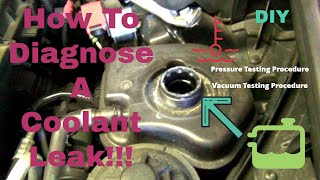
- Visible Cracks or White/Blue Stains: Inspect the plastic hose connectors for fine cracks or dried coolant residue, which looks like a chalky stain. 🎬 See how to quickly diagnose leaks with a pressure test.
- Steam from Engine Bay: If coolant is spraying onto hot engine parts, it will create a large amount of steam.
- Engine Overheating: If you lose enough coolant, the engine temperature will rise quickly. Pull over immediately and shut off the engine to prevent catastrophic damage.
Known Issues: Plastic Connectors and Low Temperatures
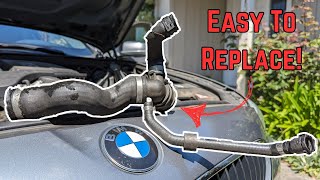
The primary weakness of the cooling system hoses on the F10 535i is the plastic used for the quick-connect fittings. After years of heat cycles, this plastic degrades, becomes brittle, and can fail suddenly. It is highly recommended to replace coolant hoses, especially the upper radiator hose, 🎬 Watch: This complete DIY tutorial for replacing the upper hose. as a preventative measure every 60,000 to 80,000 miles. Additionally, a Technical Service Bulletin (TSB SIB 17 03 20) was issued because the O-rings in the quick-disconnects can leak in temperatures at or below 5°F (-15°C).
Choosing the Right Aftermarket Radiator Hose
When replacing a radiator hose, you have several quality tiers to choose from. While Genuine BMW parts are an option, several aftermarket brands offer excellent quality, and some are even the original equipment supplier.
Tier 1: OE-Equivalent Brands
CRP/Rein: CRP, often sold under the brand name Rein, is a well-regarded OEM (Original Equipment Manufacturer) supplier to BMW. This means the Rein hose is often the exact same part that came on your car from the factory, just without the BMW logo and price tag. For a critical part like a radiator hose, Rein is a trusted choice for fit, form, and function.
Tier 2: Trusted Aftermarket Brands
Gates & Dayco: Both Gates and Dayco are major players in the aftermarket world with long-standing reputations for producing quality parts. They are a reliable and cost-effective alternative to OEM parts. While fitment can occasionally be a concern with any aftermarket part, these brands are generally considered a safe bet for your BMW.
Tier 3: Budget-Friendly Brands
Vaico: Vaico is typically positioned as a more budget-oriented option. While functional, the quality and longevity may not match that of OEM or top-tier aftermarket brands. If you are on a tight budget, Vaico can be a viable choice, but for a component that can cause major engine damage if it fails, investing in a higher-tier brand is often recommended for peace of mind.
Aftermarket Brand Quality Comparison
| Brand | Typical Tier | Notes |
|---|---|---|
| CRP (Rein) | OE-Equivalent | Often the original supplier to BMW. Excellent fit and quality. |
| Gates | Trusted Aftermarket | Well-known brand with a strong reputation for quality hoses. |
| Dayco | Trusted Aftermarket | A solid, reliable choice comparable to other major aftermarket brands. |
| Vaico | Budget Aftermarket | A cost-effective option, though some owners prefer higher-tier brands for critical parts. |
Pro Tip: The BMW Coolant Bleeding Procedure
After replacing any coolant hose, you MUST properly bleed the air from the cooling system. The N55 engine uses an electric water pump with an automated bleeding procedure. Failure to do this can lead to air pockets and overheating.
- Fill the coolant reservoir to the correct level. Leave the cap off for now.
- Get in the car and turn the ignition ON (press the start button without your foot on the brake). Do not start the engine.
- Turn the cabin heater to the highest temperature (84°F) and the fan to the lowest setting.
- Press and hold the accelerator pedal to the floor for 10-12 seconds.
- Release the pedal. You should hear the electric water pump begin to run. It will cycle for about 12 minutes.
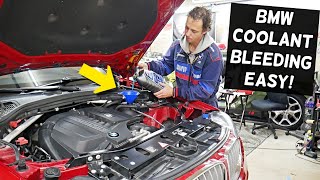
- During this process, keep an eye on the coolant level and top it off as needed. Once the procedure is finished, secure the cap. 🎬 Watch: A step-by-step walkthrough of the N55 self-bleeding process.
Frequently Asked Questions (FAQ)
Why do the plastic hose fittings fail so often?
The plastic connectors are exposed to thousands of heat cycles, from cold to operating temperature (over 200°F) and back again. Over time, this process makes the plastic brittle and weak, leading to cracks and failures, especially at connection points.
Should I replace all the coolant hoses at once?
If you are replacing a failed hose on a vehicle with over 60,000 miles, it is wise to replace other major hoses like the upper and lower radiator hoses at the same time. They have all been exposed to the same heat and age, so if one has failed, others may be close to failing as well.
Can I just replace the broken plastic fitting instead of the whole hose?
No. The radiator hoses for the 535i are sold as complete assemblies. The plastic fittings are permanently attached to the rubber hose. For some other hoses on the car, like the one with the 'Mickey Mouse' flange, aftermarket metal upgrades are available for the flange itself.
What type of coolant should I use in my 2011-2016 BMW 535i?
Always use a BMW-approved coolant, typically a blue or green formula (like HT-12). Check your owner's manual or the coolant reservoir for the specific type. Using the wrong coolant can cause corrosion and damage to your cooling system. Always mix with distilled water at a 50/50 ratio.
Helpful Videos

Technical Specifications
OEM Part Numbers: 17127580957
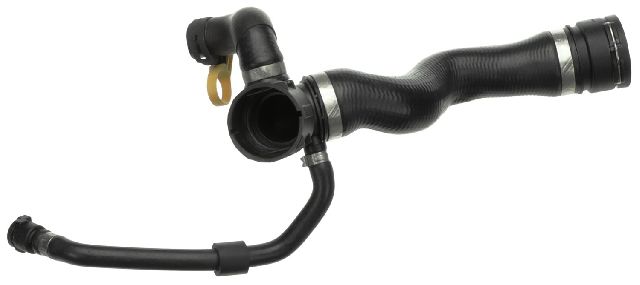
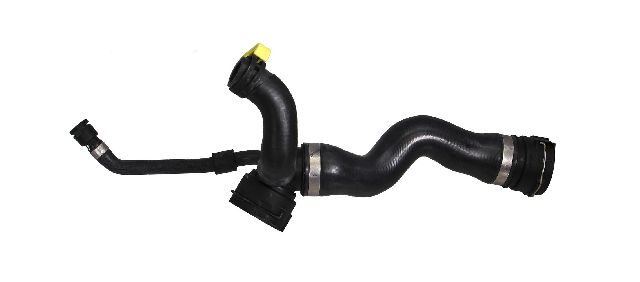
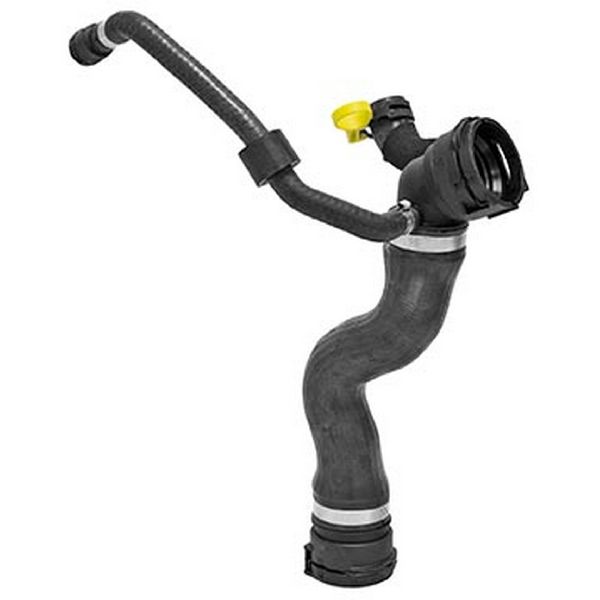
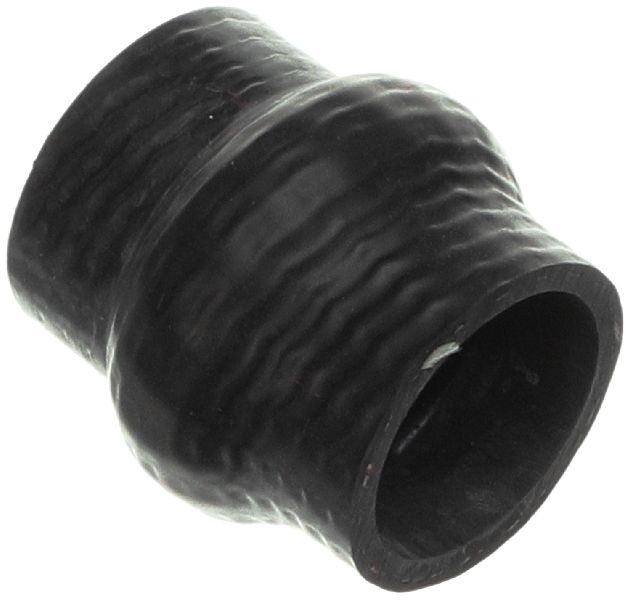
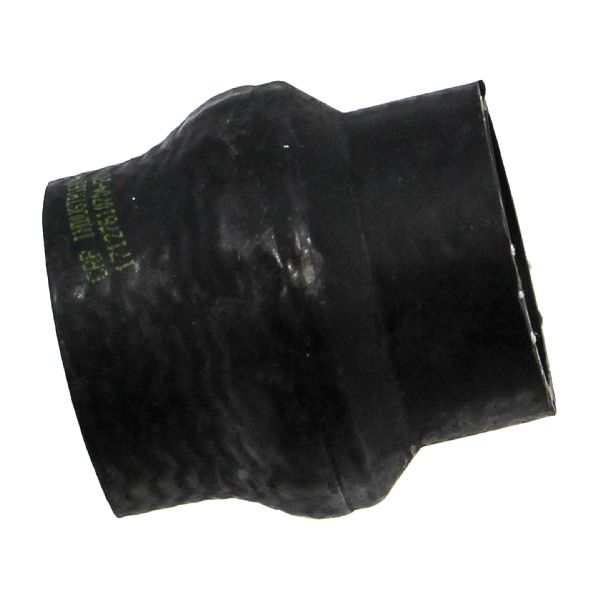
Molded rubber hose assembly with integrated plastic quick-connect fittings. Designed for the BMW N55 engine.
We Have This Part in Stock

The information in this article is provided for general reference and educational purposes only. Vehicle specifications, procedures, and part compatibility can vary by production date, trim level, and region. Always consult your vehicle's factory service manual and verify part numbers before purchasing or performing repairs. Safety-critical components such as airbags, seat belts, and braking systems should be installed by a qualified professional.
- BMW 535i:
- 🎬 Helpful Videos
- 🛍️ Shop This Part
- Signs of a Failing Radiator Hose
- Known Issues: Plastic Connectors and Low Temperatures
- Choosing the Right Aftermarket Radiator Hose
- Tier 1: OE-Equivalent Brands
- Tier 2: Trusted Aftermarket Brands
- Tier 3: Budget-Friendly Brands
- Aftermarket Brand Quality Comparison
- Pro Tip: The BMW Coolant Bleeding Procedure
- Frequently Asked Questions (FAQ)
- 🎟️ Get 5% Off