

Subaru Outback Heater Hose Guide for 2011-2018 Models
Leaking coolant or no heat in your cabin? Your HVAC heater hose might be the problem.
- A leaking heater hose is a critical failure; do not drive the vehicle to avoid engine overheating.
- Symptoms include a sweet smell, visible coolant puddles, and a lack of cabin heat.
- It is highly recommended to replace both the inlet and outlet hoses at the same time, along with the clamps.
- After replacement, the cooling system must be properly "burped" to remove air pockets.
Symptoms of a Failing Heater Hose

Heater hoses are made of durable rubber, but they can fail from age, heat, and pressure. A bad heater hose is a serious issue because it can cause a major coolant leak. Look for these signs:
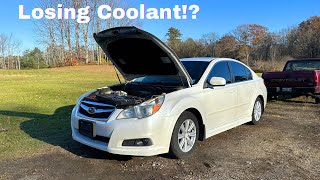
🎬 Watch: Diagnosing a coolant leak on a 2012 Subaru- Sweet Smell: The most common sign of a coolant leak is a distinct, sweet smell inside or outside your Outback. This is the smell of antifreeze.
- Visible Coolant Leaks: You may see puddles of green, orange, or pink fluid under your vehicle, especially towards the front passenger side. You might also see coolant residue or drips on the hoses themselves, which are usually located near the firewall at the back of the engine bay.
- No Cabin Heat: If the coolant level drops too low due to a leak, there won't be enough hot fluid reaching the heater core, resulting in poor or no heat from your vents.
- Engine Overheating: A significant coolant leak from a failed hose will cause your engine temperature gauge to rise quickly. This is a critical warning. Pull over immediately to prevent catastrophic engine damage.
- Low Coolant Light: Your dashboard may alert you to a low coolant level, which could be caused by a leaking hose.
Stop Driving Immediately
If you notice your engine temperature rising or see steam coming from under the hood, pull over and shut off the engine as soon as it is safe to do so. Driving with a major coolant leak can lead to complete engine failure.
Choosing the Right Aftermarket Heater Hose

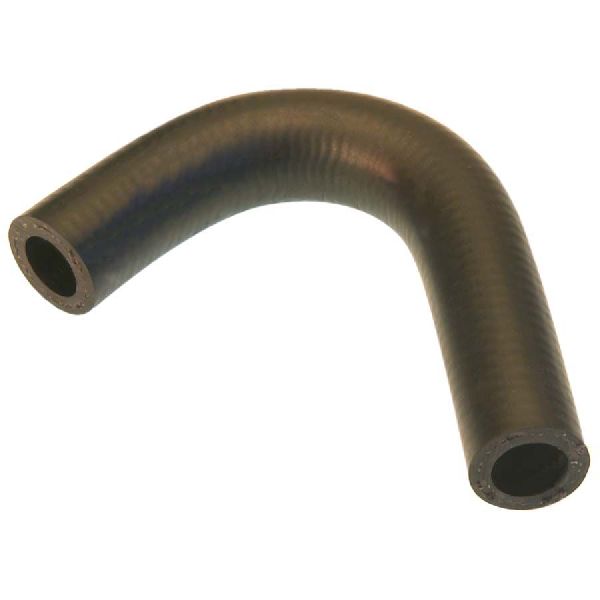
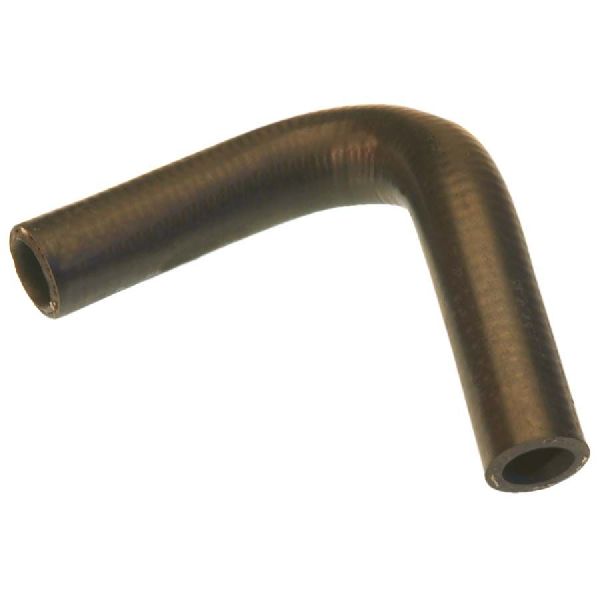
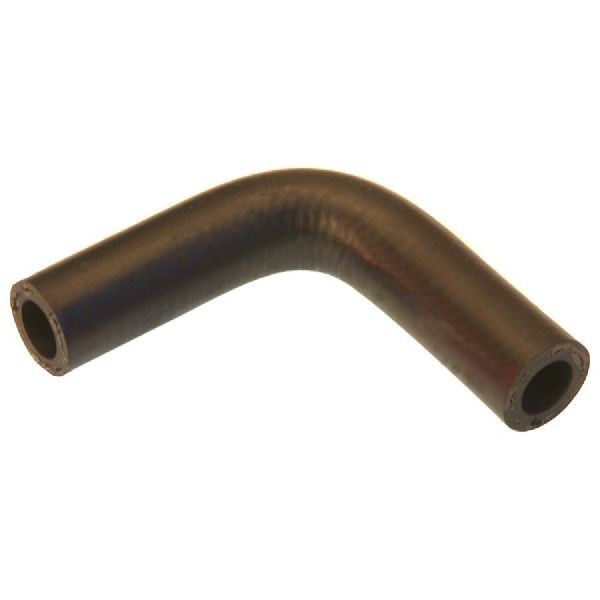
For the 2011-2018 Subaru Outback, you don't necessarily need to buy an expensive OEM (Original Equipment Manufacturer) hose from the dealer. Quality aftermarket brands offer reliable performance, often at a better price. The most important factor for an aftermarket hose is correct fitment, as these are often molded into specific shapes to navigate the tight engine bay.
Aftermarket Brand Tiers
- Tier 1 - Gates: Generally considered a top-tier aftermarket brand for hoses and belts. Forum users and mechanics often report that Gates hoses have excellent fitment and material quality, closely matching the original part.
- Tier 2 - Continental & Dayco: Both are reputable brands that produce quality hoses. Some users note that Dayco hoses can sometimes be slightly thicker, which is neither good nor bad, but fitment can occasionally be less precise than Gates or OEM. Continental is another solid choice, known for its rubber products.
Pro Tip: When replacing a heater hose, it's a good idea to replace the hose clamps as well. Old spring clamps can lose their tension, and worm-gear clamps can be overtightened. Many mechanics prefer to use new spring-style clamps for even pressure.
Known Issues, TSBs, and Recalls

There are no widespread recalls or common failure patterns specifically for the rubber HVAC heater hoses on the 2011-2018 Subaru Outback. Failures are typically due to normal aging and wear. However, one related Technical Service Bulletin (TSB) exists:
- TSB 11-111-12R: This bulletin applies only to 2011-2012 Outback models with the H6 3.6L engine. It addresses a P0128 trouble code by installing a new heater hose *pipe* (a metal part, not the rubber hose) that has an orifice to better regulate coolant flow. This is not a required fix unless you have this specific issue, but it's good to be aware of.
| Part Type | Estimated Cost |
|---|---|
| New Aftermarket (Continental, Dayco, Gates) | $14.19 - $93.11 |
| New OEM (Subaru) | $30 - $120 |
| Shop Labor | $150 - $300 |
Frequently Asked Questions (FAQ)

Do I need to replace both heater hoses at the same time?
It is highly recommended. Heater hoses are made from the same material and have been exposed to the same conditions for the same amount of time. If one has failed due to age, the other is likely not far behind. Replacing both at once saves you from doing the same job twice and prevents a future breakdown.
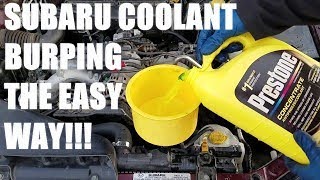
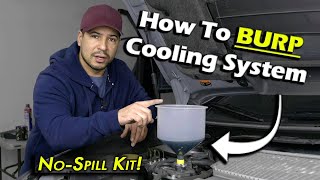
What is "burping" the cooling system and why is it important?
When you drain and refill coolant, air gets trapped in the system. This air can form large pockets that prevent coolant from circulating properly, leading to overheating or a heater that doesn't work. "Burping" is the process of removing this trapped air. It usually involves running the engine with the radiator cap off (or using a special funnel) to let the air escape as the thermostat opens.
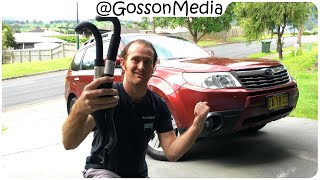
🎬 Watch: How to properly remove air from your Subaru cooling systemWhy are there so many different hoses available?
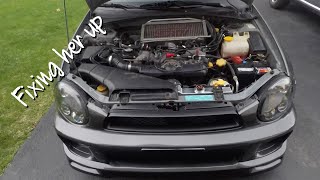
Your Outback has multiple heater hoses. There is at least one inlet and one outlet hose for the main heater core. Some vehicles also have auxiliary hoses or complex, multi-port connectors depending on the specific engine and features. It is critical to identify exactly which hose is leaking 🎬 See this walkthrough for replacing Subaru heater hoses and order the correct replacement by matching the shape or part number.
Can I use a universal straight hose instead of a molded one?
No. The heater hoses in your Outback are specifically molded to bend around other engine components. Using a straight hose will cause it to kink, which will block coolant flow and may cause the hose to rub against other parts, leading to premature failure.
Helpful Videos
Technical Specifications
OEM Part Numbers: 21204AB210 72421FJ000
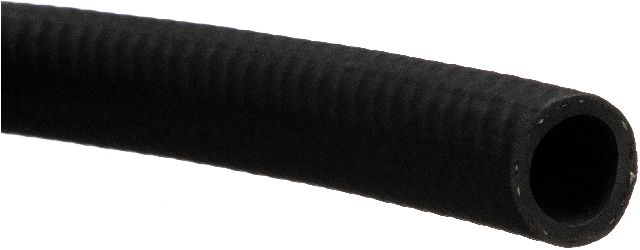
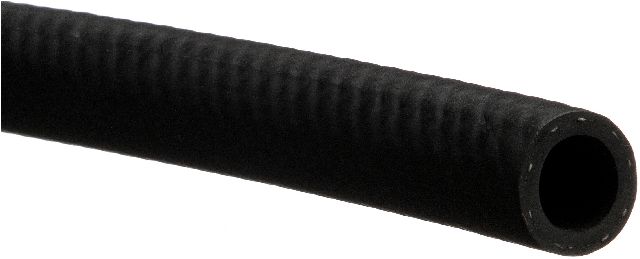
Hoses are typically made of EPDM (Ethylene Propylene Diene Monomer) rubber and are pre-molded to fit the specific engine layout of the 2.5L or 3.6L Outback.
We Have This Part in Stock


The information in this article is provided for general reference and educational purposes only. Vehicle specifications, procedures, and part compatibility can vary by production date, trim level, and region. Always consult your vehicle's factory service manual and verify part numbers before purchasing or performing repairs. Safety-critical components such as airbags, seat belts, and braking systems should be installed by a qualified professional.
- Subaru Outback: