

Kia Optima Radiator Coolant Hose Guide (2011-2020)
Everything Kia Optima owners need to know about replacing a failing radiator hose to prevent engine overheating.
- A failing radiator hose poses a critical risk of engine overheating; do not drive if you suspect a major leak.
- Visually inspect your radiator hoses for cracks, swelling, or softness at every oil change to catch problems early.
- Aftermarket brands like Gates, Dayco, and Continental are reliable and cost-effective alternatives to OEM hoses.
- Always confirm your engine size (2.4L or 2.0L Turbo) and model year before ordering a replacement hose, as they are not interchangeable.
Is your Kia Optima at risk of overheating?

A failing radiator hose is a common problem that can lead to serious engine damage if ignored. These hoses are made of rubber and are constantly exposed to high temperatures, pressure, and engine vibrations, which causes them to wear out over time. For the 2011-2020 Kia Optima, inspecting these hoses during regular maintenance is key to catching a problem before it leaves you stranded.
Critical Failure Warning
A complete radiator hose failure will cause a rapid loss of coolant, leading to engine overheating in a matter of minutes. If you see steam from the engine, a rapidly rising temperature gauge, or a large puddle of coolant under your car, pull over immediately and shut off the engine to prevent catastrophic damage.
Symptoms of a Failing Radiator Hose


Catching a bad radiator hose early can save you from a much more expensive repair. Look for these common warning signs:
- Coolant Leaks: This is the most obvious sign. You may see puddles of green, yellow, or blue liquid under the front of your car, especially after it has been parked. You might also notice a sweet smell from the engine bay.
- Visible Hose Damage: Inspect the hoses for cracks, splits, or brittleness. Oil leaks can contaminate the rubber, causing it to become soft, spongy, or swollen. A swollen or bulging hose is weak and could burst at any time.
- Engine Overheating: If the temperature gauge on your dashboard starts climbing into the red, a faulty hose could be the cause. This can happen from a leak or a collapsed hose restricting coolant flow.
- Low Coolant Light: A constantly low coolant level, requiring frequent top-offs, often points to a leak somewhere in the system, with the hoses being a primary suspect.
- Collapsed Hose: The lower radiator hose can sometimes collapse inward due to a faulty radiator cap or an internal blockage, which will restrict coolant flow and cause overheating.
Known Issues, Recalls, and Service Bulletins
During our research, we found no specific safety recalls from the National Highway Traffic Safety Administration (NHTSA) for the radiator coolant hoses on the 2011-2020 Kia Optima. There have been recalls for fuel hoses and ABS modules on some model years, but the cooling system hoses have proven to be reliable. One general Technical Service Bulletin (TSB) was found regarding lower radiator hoses not being properly seated from the factory, which can cause leaks, but this was not specific to Kia. Overall, failures are typically due to normal wear and tear rather than a manufacturing defect.
Choosing a Replacement Hose: OEM vs. Aftermarket

When it's time to replace a radiator hose on your Optima, you have a choice between Original Equipment Manufacturer (OEM) parts and aftermarket parts.
- OEM Hoses: These are the same parts your vehicle was built with. They guarantee a perfect fit but come at a higher price. For a critical part like a radiator hose, the guaranteed fitment can provide peace of mind.
- Aftermarket Hoses: Brands like Gates, Dayco, and Continental offer quality replacements that meet or exceed OEM specifications, often at a much lower cost. These brands are trusted in the industry. For many owners, a quality aftermarket hose provides the best balance of price and performance.
Pro Tip: Check Your Engine Size
The 2011-2020 Kia Optima was available with different engines, primarily the 2.4L and the 2.0L Turbo. These engines use different radiator hoses. Always confirm your vehicle's engine size before ordering to ensure you get the correct part.
Cost of Replacing a Kia Optima Radiator Hose
The cost to replace a radiator hose can vary depending on whether you do it yourself or have a professional mechanic do the work. Labor costs at a repair shop are typically estimated to be between $83 and $122.
| Part Type | Estimated Cost |
|---|---|
| New OEM Kia Hose | $45 - $65 per hose |
| New Aftermarket Hose (Gates, Dayco, etc.) | $20 - $80 per hose |
| Professional Installation (Labor) | $83 - $122 |
| Total Professional Replacement | $356 - $394 (including OEM part) |
Frequently Asked Questions
Should I replace both radiator hoses at the same time?
Yes. Radiator hoses are exposed to the same conditions and wear out at a similar rate. If one has failed, the other is likely not far behind. Replacing them in pairs is a smart preventative measure and saves on labor costs if you're paying a mechanic.
Can I replace a radiator hose myself?
Yes, for a moderately experienced DIYer, replacing a radiator hose is a manageable job. It requires draining the coolant, using pliers to remove the hose clamps, and swapping the hose. Some Kia models use quick-connect fittings which can be tricky without the right technique. Always remember to properly bleed the cooling system afterward to remove air pockets.
What kind of coolant does my 2011-2020 Kia Optima use?
Your Kia Optima requires a specific type of coolant. Using the wrong type can cause damage. Generally, these models use a green-colored, phosphate-based ethylene glycol coolant. Always check your owner's manual or the coolant reservoir cap for the exact specification before adding or changing coolant.
Is a Gates or Dayco hose good for my Kia Optima?
Yes, both Gates and Dayco are reputable aftermarket brands that produce quality hoses. Forum discussions show that both are considered reliable alternatives to more expensive OEM parts. Continental is also another excellent choice. The most important factor is ensuring the part number matches your specific Optima year and engine.
Helpful Videos
Technical Specifications
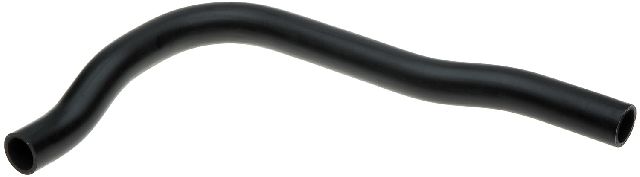
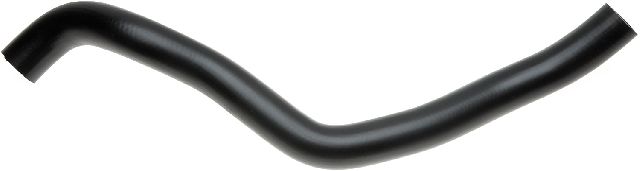
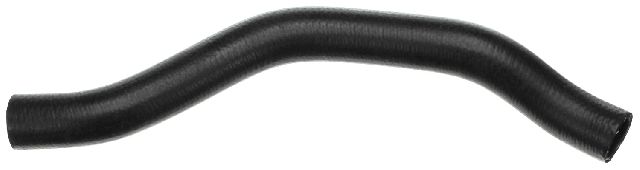
OEM Part Numbers: 25412-C1100 (Lower, 2.4L, 2016-2020) 25414-3Q000 (Upper, 2.0T) 25415-C1100 (Upper, 2.4L, 2016-2020) 25414-2T500 (Upper, 2.4L, 2011-2015) 25415-2T500 (Lower, 2.4L, 2011-2015)
Material: EPDM (Ethylene Propylene Diene Monomer) rubber. Hoses are molded to fit specific engine configurations (2.0L Turbo or 2.4L).
We Have This Part in Stock
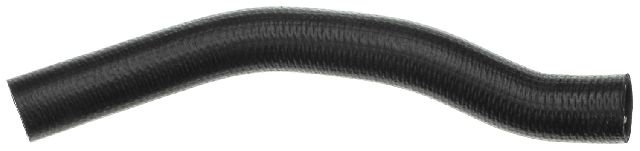
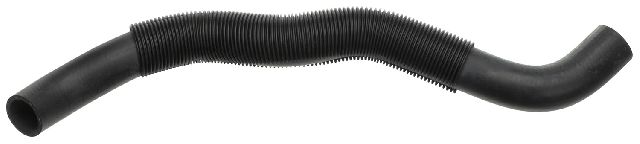

The information in this article is provided for general reference and educational purposes only. Vehicle specifications, procedures, and part compatibility can vary by production date, trim level, and region. Always consult your vehicle's factory service manual and verify part numbers before purchasing or performing repairs. Safety-critical components such as airbags, seat belts, and braking systems should be installed by a qualified professional.
- Kia Optima:
- 🎬 Helpful Videos
- 🛍️ Shop This Part
- Is your Kia Optima at risk of overheating?
- Critical Failure Warning
- Symptoms of a Failing Radiator Hose
- Known Issues, Recalls, and Service Bulletins
- Choosing a Replacement Hose: OEM vs. Aftermarket
- Pro Tip: Check Your Engine Size
- Cost of Replacing a Kia Optima Radiator Hose
- Frequently Asked Questions
- 🎟️ Get 5% Off