

Toyota 4Runner Fuel Pump and Strainer Set Guide (2011-2024)
Everything you need to know before replacing the fuel pump on your 5th Generation 4Runner.
- First, check if your 2014-15 or 2018-19 4Runner is part of the free fuel pump safety recall before buying any parts.
- Symptoms of failure include engine stalling, hesitation, long crank times, and a whining noise from the fuel tank area.
- Replacement is a difficult job that requires dropping the fuel tank, so choosing a high-quality part (like Bosch or OEM) is critical to avoid repeat labor.
- Always replace the fuel strainer when replacing the pump to ensure the longevity of the new part.
Is Your 4Runner's Fuel Pump Failing?
A bad fuel pump can cause serious problems, from poor performance to leaving you stranded. The most dangerous issue is the engine stalling while you are driving. Before you buy any parts, it's critical to check if your 4Runner is part of a major safety recall.
IMPORTANT: Check for Recalls First
Toyota issued a massive recall for faulty fuel pumps in many 2014-2015 and 2018-2019 4Runners. The original Denso-made pumps can fail suddenly, causing the engine to stall while driving. This is a serious safety risk. Before spending any money, enter your Vehicle Identification Number (VIN) on the NHTSA website to see if your vehicle is covered. If it is, a Toyota dealer will replace the fuel pump assembly for free.
Common Symptoms of a Bad Fuel Pump
A failing fuel pump often gives warning signs before it dies completely. Here’s what to watch for:
- Engine Stalling: The engine may shut off while driving, especially at lower speeds or when you come to a stop. This is a critical safety issue.
- Hesitation or Sputtering: When you accelerate, the vehicle may hesitate, sputter, or feel like it's losing power. This is common when going uphill or merging onto a highway.
- Difficulty Starting: Your 4Runner might take longer than usual to start. You may have to turn the key a few times before the engine fires up.
- Whining Noise: A high-pitched humming or whining sound coming from the rear of the vehicle, near the fuel tank, is a classic sign of a pump motor working too hard.
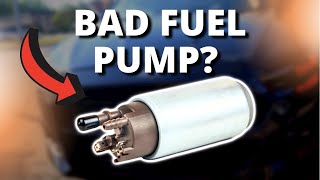
- Loss of Power: The vehicle may feel sluggish and struggle to maintain speed. 🎬 Watch: Video guide to identifying common fuel pump failure symptoms
Choosing the Right Aftermarket Fuel Pump
Because replacing the fuel pump is a big job that requires dropping the fuel tank, you don't want to do it twice. The quality of the part you choose matters a lot.
OEM vs. Aftermarket Quality
The original fuel pump on the 4Runner is made by Denso. While OEM parts are generally a safe bet, it's important to remember that the big recall was for these specific Denso pumps. However, the replacement parts used in the recall are an improved design. An OEM replacement from a dealer will be the most expensive option.
Aftermarket parts can save you money, but quality varies. For a critical part like a fuel pump, it's wise to stick with reputable brands. Cheaper, unknown brands have a higher risk of early failure, forcing you to pay for the difficult labor all over again.
Brand Tiers for Your 4Runner
- Top Tier (Premium Aftermarket): Bosch is a well-regarded brand for fuel pumps. They often claim their designs improve on the original factory part and are known for quiet operation and reliability. Many mechanics and 4Runner owners trust Bosch as a solid alternative to OEM.
- Mid-Grade (OEM Supplier): Delphi is another major manufacturer that supplies parts to automakers. However, their aftermarket fuel pumps get mixed reviews from mechanics. Some have great experiences, while others report early failures. It can be a good option, but may be less consistent than Bosch or a new OEM part.
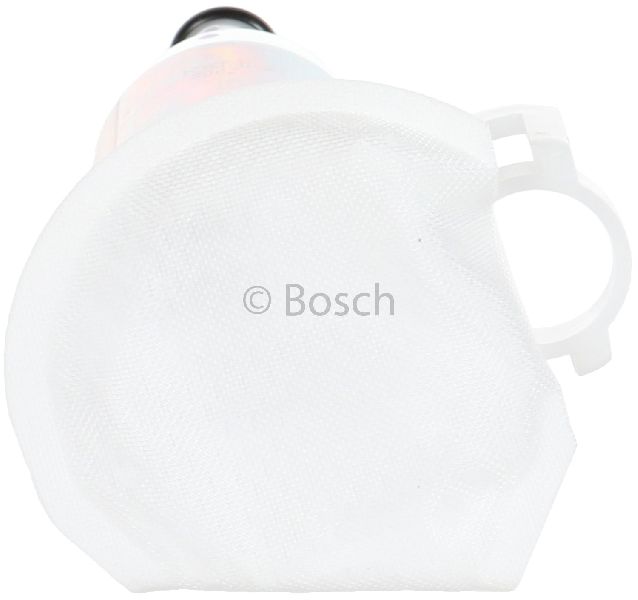
Pro Tip: The fuel strainer (or filter sock) should always be replaced with the fuel pump. A clogged strainer makes the new pump work harder and can cause it to fail prematurely. Good quality fuel pump kits, like those from Bosch, will include a new strainer.
Cost of Replacing a 4Runner Fuel Pump
Here is a general idea of what you can expect to pay. Prices can vary based on your location and the specific supplier.
| Part Type | Estimated Part Cost |
|---|---|
| New OEM (Dealer) | $480 - $690 |
| New Aftermarket (Bosch, Delphi) | $133 - $347 |
| Shop Labor | $300 - $600 |
Frequently Asked Questions (FAQ)
Is the fuel filter part of the fuel pump assembly?
Yes. On the 2011-2024 4Runner, the main fuel filter and the strainer are integrated into the fuel pump module that sits inside the tank. When you replace the entire assembly, you are also getting a new filter. If you are only replacing the pump motor itself, you must also replace the separate strainer sock.
Can I replace the fuel pump myself?
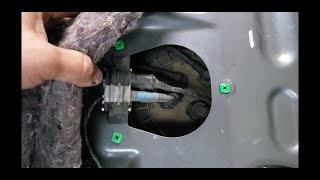
This is a difficult job for a DIY mechanic. The standard procedure requires draining and dropping the heavy fuel tank. It requires proper tools, including a special lock ring tool, and carries safety risks when working with gasoline. Some owners cut an access panel in the floor under the rear seats to avoid dropping the tank, but this is a permanent modification to the vehicle's body. 🎬 See how to replace the pump without dropping the tank For most people, professional installation is recommended.
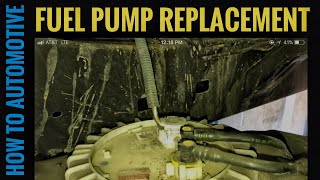
🎬 Watch: Full step-by-step fuel pump replacement walkthroughShould I buy a complete assembly or just the pump motor?
It is highly recommended to replace the complete assembly. The plastic housing can become brittle over time, and the fuel level sending unit can also fail. Buying a complete module from a brand like Bosch ensures all components are new and designed to work together, which is a more reliable long-term repair.
Why did my original fuel pump fail?
Aside from the recalled units, fuel pumps are wear-and-tear items that don't last forever. Consistently driving on a very low tank of gas can cause the pump to overheat, as it uses the surrounding fuel for cooling. A clogged fuel filter can also make the pump work harder and shorten its life.
Helpful Videos
Technical Specifications
OEM Part Numbers: 77020-35151 77020-35150 23220-31430
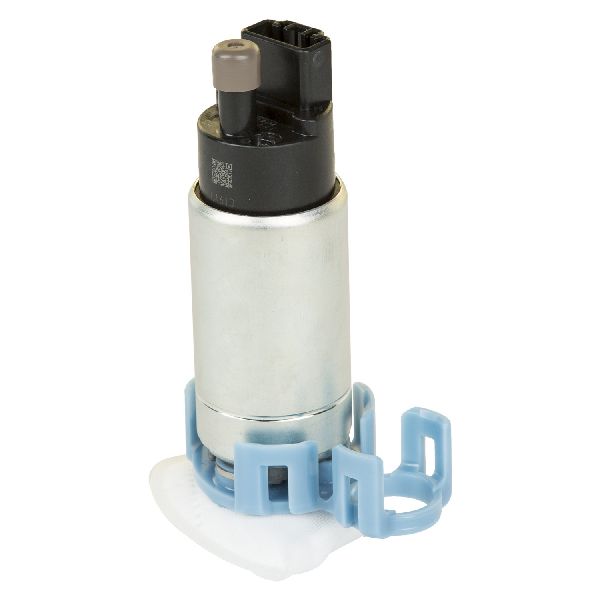
The fuel pump is an in-tank turbine-style electric motor. It is part of a complete module that includes the fuel sending unit, pressure regulator, and fuel strainer. The system operates at a pressure of approximately 40-60 PSI.
We Have This Part in Stock

The information in this article is provided for general reference and educational purposes only. Vehicle specifications, procedures, and part compatibility can vary by production date, trim level, and region. Always consult your vehicle's factory service manual and verify part numbers before purchasing or performing repairs. Safety-critical components such as airbags, seat belts, and braking systems should be installed by a qualified professional.
- Toyota 4Runner:
- 🎬 Helpful Videos
- 🛍️ Shop This Part
- Is Your 4Runner's Fuel Pump Failing?
- IMPORTANT: Check for Recalls First
- Common Symptoms of a Bad Fuel Pump
- Choosing the Right Aftermarket Fuel Pump
- OEM vs. Aftermarket Quality
- Brand Tiers for Your 4Runner
- Cost of Replacing a 4Runner Fuel Pump
- Frequently Asked Questions (FAQ)
- 🎟️ Get 5% Off