

Toyota 4Runner (2011-2024) Aftermarket Radiator Guide
Is your 4Runner's radiator leaking or causing overheating? Here's what you need to know before buying a replacement.
- The OEM radiator's plastic end tanks are a common failure point, prone to cracking over time.
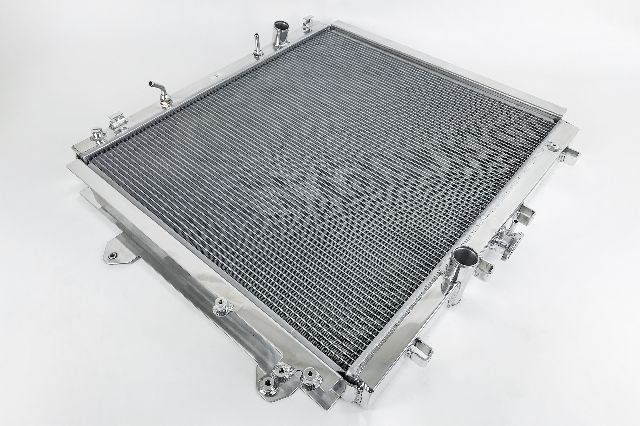
- For heavy use, off-roading, or towing, a full-aluminum aftermarket radiator (like CSF) is a worthwhile durability and performance upgrade.
- For daily driving, an OEM-style replacement from a brand like Spectra offers a cost-effective solution.
- Always replace the radiator cap and use Toyota's specified Super Long Life (pink) coolant when replacing the radiator.
Signs of a Failing Radiator in Your 4Runner
A bad radiator can't cool the engine properly, leading to serious problems. Watch for these symptoms:
- Engine Overheating: The most obvious sign. The temperature gauge on your dash will climb into the red zone.
- Coolant Leaks: You might see puddles of sweet-smelling, brightly colored fluid (pink, red, or green) under the front of your 4Runner. The stock radiator has plastic end tanks that can crack over time.
- Low Coolant Levels: If you constantly have to add coolant to the overflow tank, you likely have a leak.
- Visible Damage: Look for corrosion, bent fins, or cracks on the radiator itself. Road debris or vibration from off-roading can cause damage.
Don't Ignore Overheating
Driving with an overheating engine can cause catastrophic damage, including a warped cylinder head or a blown head gasket. If you see the temperature gauge rising, pull over as soon as it's safe and turn off the engine.
Common Issues: OEM vs. Aftermarket Radiators
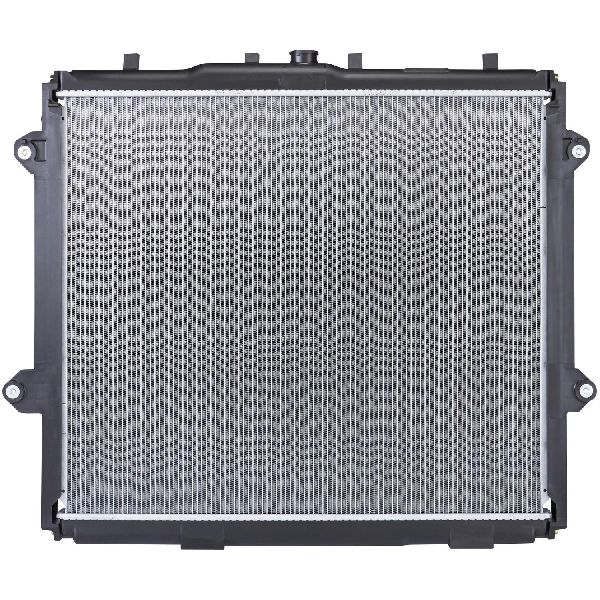
The original Toyota radiator in the 2011-2024 4Runner is a reliable part for daily driving. It features an aluminum core with plastic end tanks. However, these plastic tanks are a known weak point. Over many heat cycles, the plastic can become brittle and crack, leading to leaks. This is a common failure point, especially on higher-mileage vehicles or those used for demanding tasks like towing or off-roading.
Choosing the Right Aftermarket Radiator
When it's time for a replacement, you have a few options. The choice depends on your budget and how you use your 4Runner.
Tier 1: Performance / Heavy-Duty (CSF)
For owners who take their 4Runner off-road, tow, or simply want a 'buy it once' upgrade, a full-aluminum radiator is the best choice. Brands like CSF offer heavy-duty radiators with all-aluminum, TIG-welded construction. These units eliminate the plastic end tanks, making them far more durable and resistant to vibration and stress. Many, like the CSF models, feature a thicker, 2-row core for increased cooling capacity, which is ideal for preventing heat soak during low-speed, high-power situations like rock crawling.
Pro Tip: A full-aluminum radiator from a brand like CSF is a significant upgrade over the OEM design, offering better durability and cooling performance for a relatively small price increase compared to a new OEM unit.
Tier 2: OEM-Quality Replacement (Spectra, One Stop Solutions)
If you primarily use your 4Runner for daily driving and want a reliable, budget-friendly fix, an OEM-style aftermarket radiator is a great option. Brands like Spectra and One Stop Solutions produce radiators that are designed to be direct-fit replacements. They typically use the same plastic tank and aluminum core construction as the original part. While they don't offer the extreme durability of a full-aluminum unit, they are a cost-effective solution that will restore your cooling system's performance for normal use.
Cost of Replacing a 2011-2024 4Runner Radiator
| Part Type | Estimated Cost |
|---|---|
| New Aftermarket (OEM-Style) | $189 - $250 |
| New Aftermarket (Full Aluminum) | $450 - $595 |
| Shop Labor | $250 - $450 |
| Total Professional Replacement | $439 - $1045 |
Costs are estimates and can vary by location and vehicle specifics. Does not include the cost of new coolant.
Frequently Asked Questions
Are there any recalls on the 2011-2024 4Runner radiator?
No. As of early 2026, there are no specific recalls issued by the NHTSA for the radiator on the 2011-2024 Toyota 4Runner. There have been recalls for other components on these vehicles, but none directly address the radiator.
Can I replace the 4Runner radiator myself?
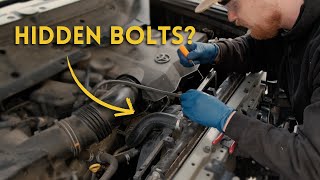
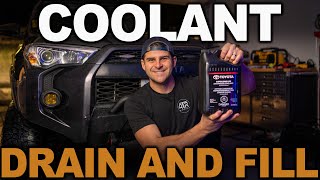
Yes, this is a feasible DIY job for someone with moderate mechanical skill. The process involves draining the coolant, removing the plastic engine covers, disconnecting hoses, unbolting the fan shroud, and then unbolting the radiator itself. You will need basic hand tools, a drain pan, and a coolant funnel for refilling and bleeding the system. 🎬 Learn the best way to drain and refill your coolant. However, accessing the lower bolts can be tricky, and you must be careful with the transmission cooler lines to avoid fluid loss.
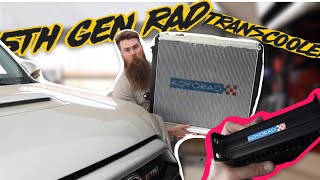
🎬 Watch this step-by-step guide to replacing your 5th Gen radiator.What is the difference between a 1-row and 2-row radiator?
This refers to the number of rows of tubes in the radiator's core. The OEM radiator is a single-row design. High-performance aftermarket radiators, like those from CSF, often use a 2-row design. A 2-row core has a greater surface area and holds more coolant, which allows it to dissipate heat more effectively. This provides a significant cooling advantage, especially under load.
🎬 See how to install a high-performance radiator and transmission cooler.Do I need a new radiator cap?
Yes, it is highly recommended to replace the radiator cap whenever you install a new radiator. The cap is a critical component that holds pressure in the system, raising the boiling point of the coolant. A weak or failing cap can lead to overheating even with a new radiator.
Helpful Videos
Technical Specifications
OEM Part Numbers: 164100P030 164100P040 1641031371
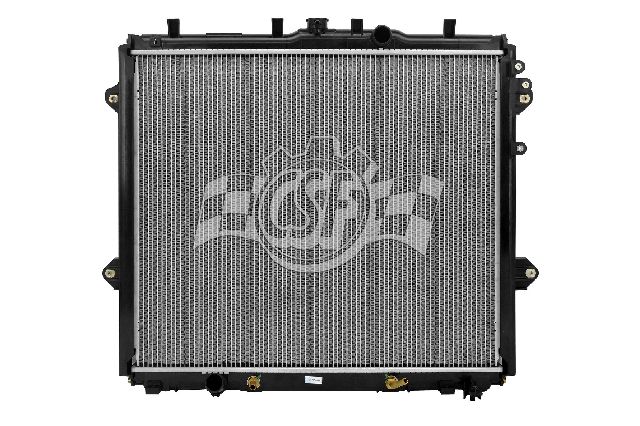
The stock radiator for the 2011-2024 Toyota 4Runner is a single-row, downflow design with an aluminum core and plastic tanks. It includes an integrated transmission fluid cooler. Aftermarket performance options often feature a thicker, 2-row all-aluminum construction for enhanced durability and cooling.
We Have This Part in Stock


The information in this article is provided for general reference and educational purposes only. Vehicle specifications, procedures, and part compatibility can vary by production date, trim level, and region. Always consult your vehicle's factory service manual and verify part numbers before purchasing or performing repairs. Safety-critical components such as airbags, seat belts, and braking systems should be installed by a qualified professional.
- Toyota 4Runner: