

Guide to the 2012-2017 Jeep Grand Cherokee MAP Sensor
Fixing rough idle or poor fuel economy in your WK2 Grand Cherokee might be simpler than you think.
- A failing MAP sensor is a common cause of rough idle, poor gas mileage, and hesitation on the WK2 Grand Cherokee.
- Replacement is very easy for a DIYer and can be done in under 30 minutes with basic tools.
- While Mopar is always a safe choice, premium aftermarket brands like Delphi and NTK offer reliable quality for less money.
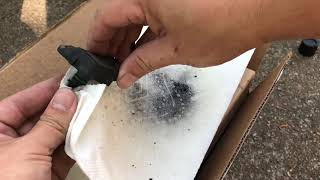
- Before replacing, always check the wiring connector for damage and, on EcoDiesel models, consider cleaning the sensor first.
Is Your Grand Cherokee's MAP Sensor Failing?

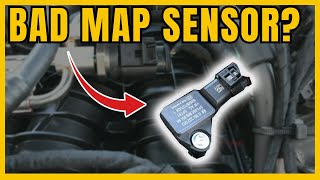
A bad Manifold Absolute Pressure (MAP) sensor can cause a surprising number of issues with how your Jeep runs. Because the sensor's data is critical for the engine computer to calculate the right air-fuel mixture, a wrong signal can throw everything off. You might notice one or more symptoms, which can range from a minor annoyance to a serious problem that leaves you stranded.
Common Symptoms of a Bad MAP Sensor:
- Check Engine Light: This is often the first sign. The computer will store a trouble code related to the MAP sensor. 🎬 Watch: 8 common symptoms and how to diagnose the sensor.
- Rough Idle: Your engine might shake or struggle to maintain a steady RPM when you're stopped.
- Poor Fuel Economy: If the engine computer gets bad data, it can't manage fuel use efficiently, causing you to use more gas.
- Loss of Power: The vehicle may feel sluggish, hesitate when you accelerate, or struggle to get up to speed.
- Black Smoke from Exhaust: This indicates the engine is running "rich," meaning too much fuel is being burned, often due to a bad MAP sensor reading. 🎬 Watch: A clear explanation of bad MAP sensor symptoms.
Choosing the Right Aftermarket MAP Sensor

When it's time to replace the MAP sensor on your 2012-2017 Grand Cherokee, you have a choice between the original equipment (OEM) Mopar part and several aftermarket brands. While some sensors for Jeeps are best bought as OEM, many owners have success with quality aftermarket MAP sensors.
Here's a breakdown of your options:
- OEM (Mopar): This is the part your Jeep came with from the factory. It's a guaranteed fit and quality, but it's also the most expensive option. Some owners on forums insist on Mopar for all electronic sensors to avoid compatibility issues.
- Premium Aftermarket (e.g., Delphi, NGK/NTK, Standard Ignition): These brands are often original equipment suppliers to many automakers. They engineer their parts to meet or exceed OE standards and are a reliable choice that can save you money compared to Mopar. Delphi, for example, notes their sensors are protected against vibration and moisture.
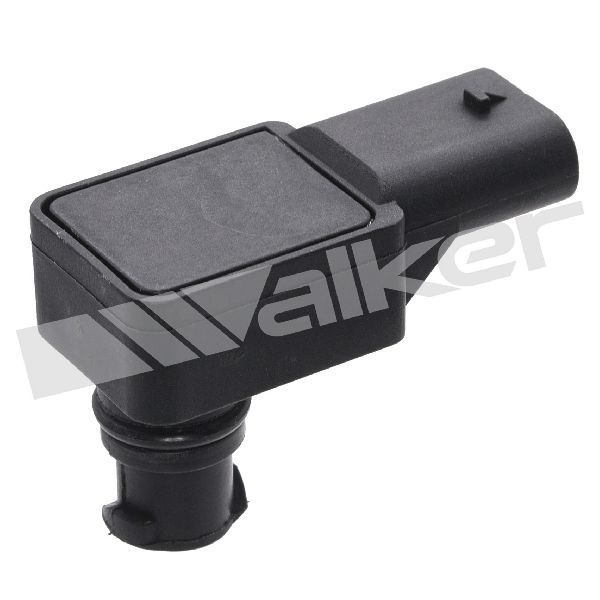
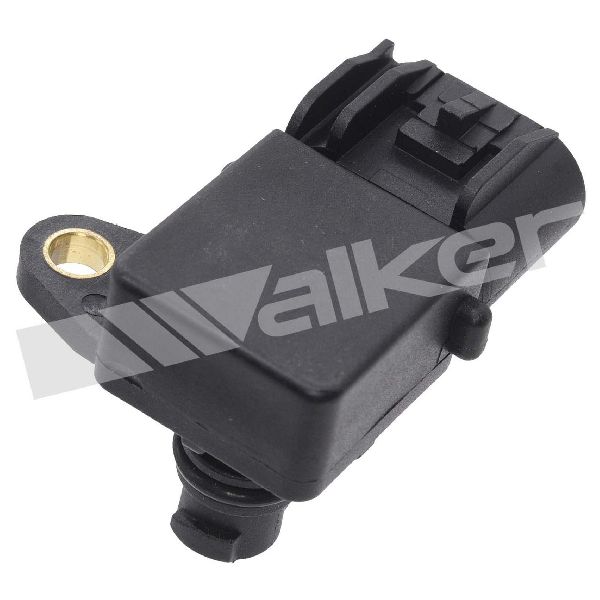
- Standard Aftermarket (e.g., Crown, Walker, Spectra): These brands offer a good balance of value and quality. Crown Automotive is a well-known name in the Jeep world. While some budget sensors can be hit-or-miss, these brands are generally a safe bet for a cost-effective repair.
Cost to Replace the Grand Cherokee MAP Sensor
| Part Type | Price Range |
|---|---|
| New Aftermarket | $26.32 - $92.43 |
| New OEM (Mopar) | $58 - $93 |
| Shop Labor | $50 - $100 |
Frequently Asked Questions

Where is the MAP sensor located on my 2012-2017 Grand Cherokee?
The location varies slightly by engine. On the 3.6L V6, it is located on the intake manifold, behind the throttle body. On the 3.0L EcoDiesel, it's at the back of the engine near the firewall. On the 5.7L and 6.4L V8 engines, it is typically on the front of the intake manifold. In most cases, you just need to remove the plastic engine cover to see it.
Is this a difficult part to replace myself?
No, this is a very DIY-friendly job for most owners. It usually involves removing the engine cover, disconnecting an electrical connector, and then twisting or unbolting the sensor to remove it. The entire process typically takes less than 30 minutes and requires only basic hand tools.
Are there any recalls for the MAP sensor on this Jeep?
There are no direct recalls for the MAP sensor itself on the 2012-2017 Jeep Grand Cherokee. However, a recall for the 3.0L EcoDiesel (NHTSA 20V-699) for the EGR cooler requires dealers to inspect the TMAP (Temperature/Manifold Absolute Pressure) sensor for melting as part of the procedure.
Do I need to disconnect the battery to change the MAP sensor?
Yes, it is always recommended to disconnect the negative battery terminal before working on any electronic component of your vehicle. This prevents accidental short circuits and helps the engine computer reset and properly recognize the new sensor once it's installed.
Helpful Videos
Technical Specifications
OEM Part Numbers: 5149174AB 68199324AB 5033310AC 68153918AA 5149091AA
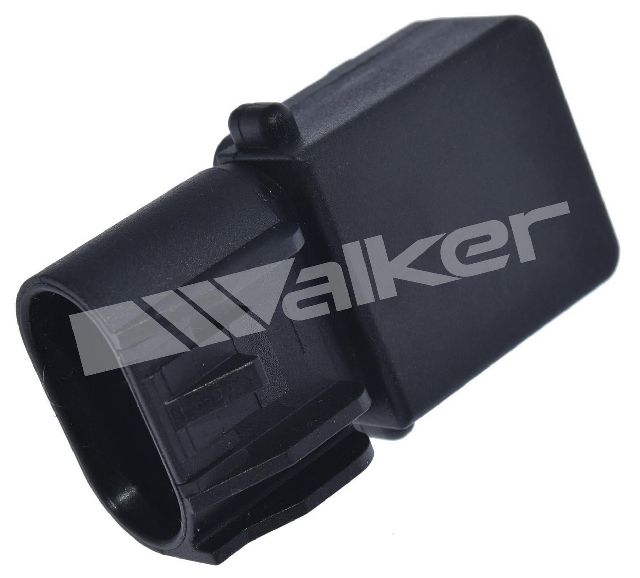
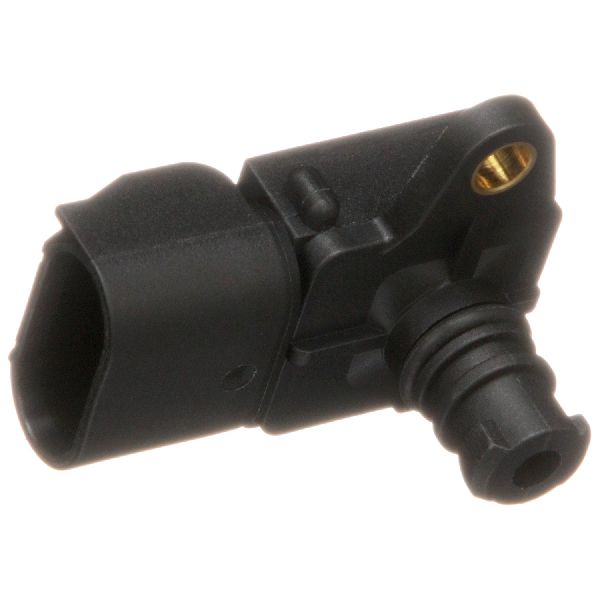
3-pin connector, twist-lock or bolt-in style depending on engine.
We Have This Part in Stock


The information in this article is provided for general reference and educational purposes only. Vehicle specifications, procedures, and part compatibility can vary by production date, trim level, and region. Always consult your vehicle's factory service manual and verify part numbers before purchasing or performing repairs. Safety-critical components such as airbags, seat belts, and braking systems should be installed by a qualified professional.
- Jeep Grand Cherokee: