

Audi A7 Quattro Engine Valve Stem Seal Set Guide (2012-2018)
Seeing blue smoke or burning too much oil? This guide is for you.
- Before suspecting valve stem seals, have the PCV system professionally diagnosed. A faulty PCV is a more common and much cheaper fix for oil consumption on the 3.0T engine.
- Due to the extremely high labor cost, only use top-tier aftermarket brands like Elring or Victor Reinz, which are known OEM suppliers.
- This is not a DIY-friendly repair. Budget for a significant labor bill from a qualified independent shop or dealer.
- Addressing symptoms like blue smoke promptly can prevent costly damage to your catalytic converters.
Is Your A7 Burning Oil? Key Symptoms of Valve Stem Seal Failure
Worn valve stem seals can cause noticeable problems. Because this is a major repair, it's important to correctly identify the symptoms before committing to a replacement.
- Blue Smoke from Exhaust: The most common sign is a puff of blue-tinted smoke from the exhaust when you start the engine after it has been sitting for a while. This happens because oil seeps past the worn seals while the engine is off, settling in the cylinders or exhaust ports. When you start the car, this oil burns off. You might also see blue smoke during deceleration.
- Excessive Oil Consumption: If you are constantly needing to top off your engine oil between changes, failing valve stem seals could be the cause. The engine is burning the oil that leaks past the seals, leading to a gradual loss of oil over time.
- Rough Idle or Misfires: In some cases, oil leaking onto the spark plugs can cause them to become fouled. This can lead to a rough idle and engine misfire codes (P0300-P0306), though this is less common than blue smoke.
Stop! Check Your PCV Valve First.
Before you assume your valve stem seals are bad, you must investigate the Positive Crankcase Ventilation (PCV) system. For the 2012-2018 Audi A7 3.0T engine, a faulty PCV valve is a much more common cause of high oil consumption and smoke than failing valve stem seals. Audi has issued multiple Technical Service Bulletins (TSBs) for this exact issue, recommending the replacement of the crankcase pressure regulating valve. Replacing the PCV system is thousands of dollars cheaper than replacing the valve stem seals. Symptoms of a bad PCV valve are nearly identical to bad valve stem seals, so proper diagnosis is critical.
Choosing the Right Aftermarket Valve Stem Seals
The cost of the valve stem seals themselves is tiny compared to the labor required to install them. This is a job you only want to do once. For that reason, choosing a high-quality aftermarket brand is not just recommended—it's essential. Skimping on part quality here is a huge risk that could lead to having to do the entire multi-thousand-dollar job all over again.
Brand Quality Tiers
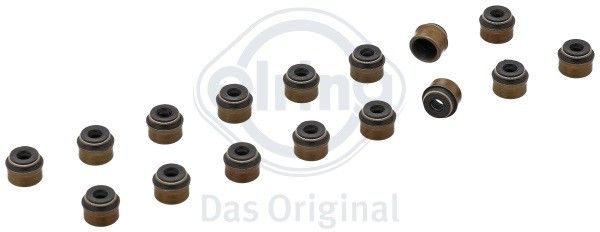
- Top Tier / OEM Supplier (Recommended): Brands like Elring and Victor Reinz are often the original equipment manufacturers for Audi. This means the parts they sell are frequently the exact same quality as the parts you would get from an Audi dealer, just in a different box. Given the extreme labor costs, using one of these brands is the smartest choice. They are trusted in the European auto repair community for their reliability.
- Mid-Tier: There are other brands available, but the small cost savings are not worth the risk for a part this critical and difficult to access.
- Economy Tier: Avoid unknown or budget brands completely. A premature failure of a cheap seal will cost you thousands in repeated labor.
Estimated Costs for Replacement
The table below breaks down the potential costs. Notice how the part cost is a very small fraction of the total job.
| Item | Estimated Cost |
|---|---|
| New Aftermarket Seal Set (Elring, Reinz) | $18.98 - $71.05 |
| New OEM Seal Set | $80 - $150 |
| Shop Labor | $2,500 - $5,000+ |
| Total Estimated Job Cost | $2,600 - $5,150+ |
Note: Labor costs can vary significantly based on shop rate, location, and the extent of work needed. Some shops may quote even higher due to the complexity.
Pro Tip: While You're In There
Since replacing the valve stem seals requires extensive engine disassembly (removing camshafts, etc.), it is wise to replace other nearby wear items at the same time. Consider replacing valve cover gaskets, camshaft tensioner gaskets, and timing chain components if they are also accessible. This saves you from paying for the same labor twice in the future.
Frequently Asked Questions (FAQ)
Is there a recall for valve stem seals on the 2012-2018 Audi A7?
No, there are no recalls for valve stem seals or oil consumption on this vehicle. Recalls for this period were related to the airbag system and fuel lines. However, there are Technical Service Bulletins (TSBs) for excessive oil consumption, which point to the PCV system, not the valve stem seals.
Can I replace the valve stem seals myself?
This is not a recommended DIY project for the average home mechanic. The job requires deep engine knowledge, specialized tools for timing and compressing valve springs, and significant disassembly of the engine's top end. Mistakes can lead to catastrophic engine damage. This job is best left to experienced professional mechanics.
Why is the replacement so expensive?
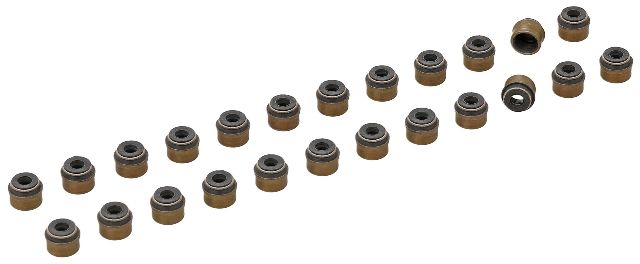
The high cost is almost entirely due to labor. To access the 24 valve stem seals in the 3.0T V6 engine, a mechanic must remove the supercharger, intake manifold, valve covers, timing components, and camshafts. This is a very time-consuming process, often taking 20+ hours of skilled labor.
If my car has blue smoke, do I have to fix it immediately?
While the car is still drivable, you should have it diagnosed and repaired as soon as possible. Continually burning oil can damage your expensive catalytic converters and oxygen sensors over time, leading to even more costly repairs. It also means your engine may be running low on oil, which is a major risk.
Technical Specifications
OEM Part Numbers: 036109675A
Material: FPM (fluoride rubber), Inner Diameter: 6mm
We Have This Part in Stock


The information in this article is provided for general reference and educational purposes only. Vehicle specifications, procedures, and part compatibility can vary by production date, trim level, and region. Always consult your vehicle's factory service manual and verify part numbers before purchasing or performing repairs. Safety-critical components such as airbags, seat belts, and braking systems should be installed by a qualified professional.
- Audi A7 Quattro: