

A Guide to Disc Brake Pads for the 2012-2020 Range Rover Evoque
Address common brake noise and dust issues by choosing the right aftermarket pads for your Evoque.
- For rear brake pad replacement, you MUST put the Electronic Parking Brake (EPB) into service mode before starting work.
- Brake wear sensors are single-use and must be replaced with the pads to ensure the warning system functions correctly.
- Verify your Evoque's specific brake rotor size (e.g., 300mm, 325mm) before ordering, as parts differ by year and sub-model.
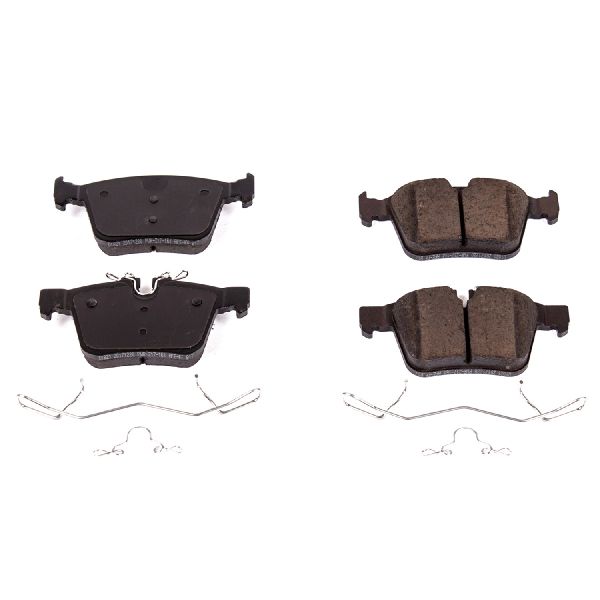
- Choose aftermarket ceramic pads from brands like Akebono, Brembo, or Powerstop to reduce the brake dust and noise common with OEM pads.
Symptoms of Failing Brake Pads
Your Evoque will give you clear signals when it's time for new brake pads. Ignoring these signs can lead to more expensive repairs, like damage to the brake rotors.
- Squealing or Squeaking Noises: A high-pitched squeal when you apply the brakes is one of the first signs. This sound comes from a small metal indicator built into the pad to alert you it's time for a replacement.
- Grinding Sounds: If you hear a loud, metallic grinding, it means the pad material has completely worn away. This is a critical warning, as it's now metal-on-metal contact between the caliper and the rotor, which can cause severe damage. Stop driving the vehicle immediately.
- Brake Warning Light: Your Evoque is equipped with brake pad wear sensors. When the pads wear down to a certain point, the sensor makes contact with the rotor, completing a circuit and illuminating a warning light on your dashboard.
- Vibration in Pedal or Steering Wheel: A pulsating or vibrating feeling when braking can indicate warped rotors, which often happens when worn pads have been used for too long.
Vehicle-Specific Known Issues
Some Evoque owners report specific issues with the factory braking system. Aftermarket pads can often resolve these concerns.
Brake Noise TSBs
Land Rover has issued Technical Service Bulletins (TSBs) for brake noise on certain models. TSB LTB01045NAS1 addresses a 'groan' or 'honk' from the rear brakes when reversing in cold weather on 2016+ models, caused by brake pad shim issues. Another TSB, LTB01029NAS2, notes a high-frequency noise from the front brakes during light braking on cold starts for 2016+ models with 325mm discs. Many owners also report excessive brake dust and squeaking with OEM pads, especially in damp weather.
Choosing the Right Aftermarket Brake Pads
Selecting the right aftermarket pad depends on your driving style and priorities. Aftermarket pads often provide better performance, less dust, or a better value than original equipment (OEM) pads.
Brand & Quality Tiers
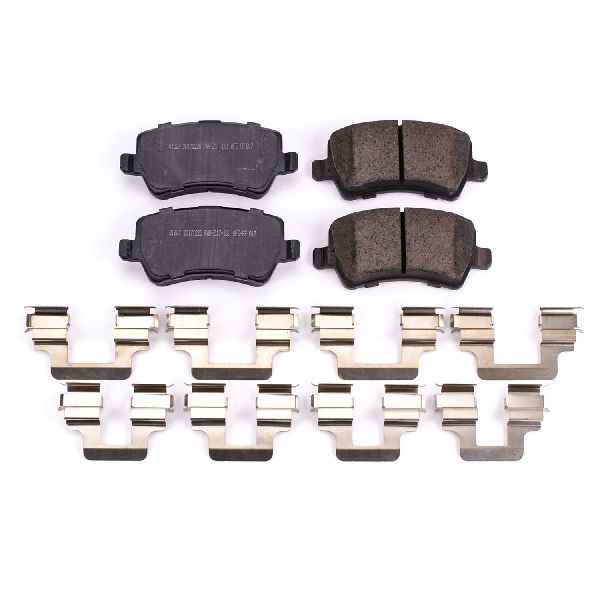
- Premium Ceramic (Low Dust/Noise): These are ideal for most Evoque owners. They offer smooth, quiet stopping with significantly less brake dust than OEM pads. Brands like Akebono, Brembo (Ceramic lines), and Powerstop (Z17 Evolution) are excellent choices here.
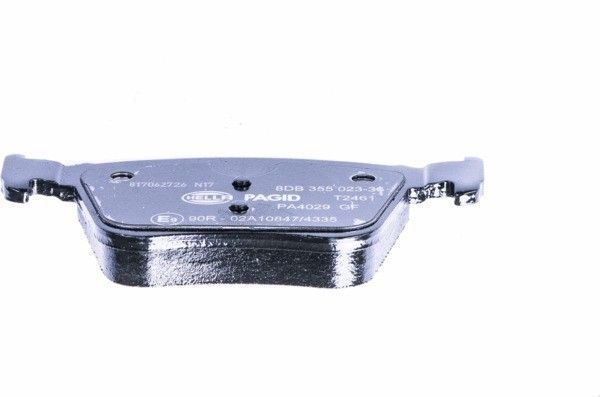
- OEM-Equivalent: For those who want to maintain the original feel and performance without the dealer price tag. Brands like Textar, Pagid, and ATE are often original equipment suppliers to European car brands and offer reliable, high-quality pads.
- Performance/Upgrade: If you want increased stopping power and fade resistance, look at performance-focused pads. EBC Brakes (Greenstuff, Yellowstuff) and Powerstop (Z23 Evolution Sport) offer a noticeable bite. Be aware that some performance pads may produce more dust or noise than ceramic options.
- Daily Driver/Value: Reputable brands like Bosch, Wagner Brakes, Raybestos, and Centric offer quality pads that meet or exceed OEM standards and provide a great balance of performance and price for everyday driving.
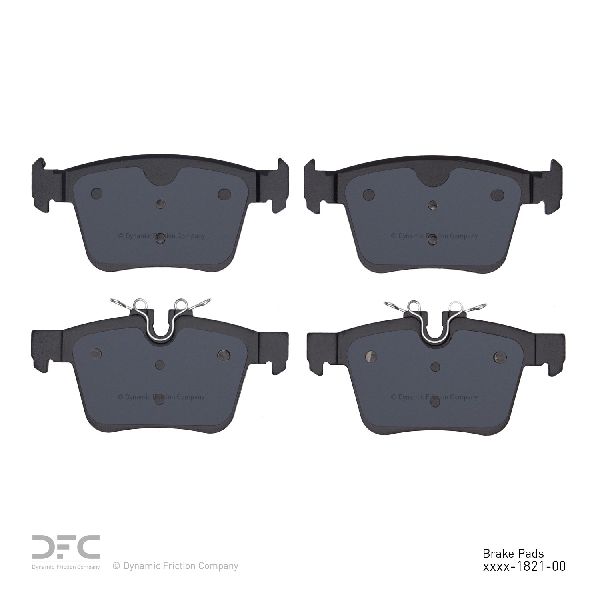
- Economy: Brands like Dynamic Friction, Pronto, and Total Stopping Solutions provide a functional, safe, and budget-friendly option to get your vehicle back on the road.
Common Ordering Mistakes
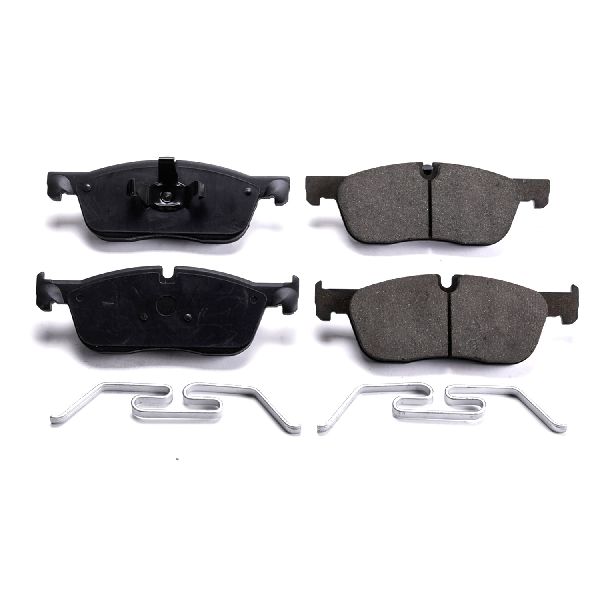
The 2012-2020 Evoque had several different brake systems. Before ordering, verify your vehicle's specific brake rotor size (e.g., 300mm, 325mm, 349mm). This is often listed in your vehicle's specifications or can be confirmed with your VIN. Also, ensure you are ordering for the correct axle 🎬 Watch this step-by-step guide for front brake and rotor replacement. (front or rear), as they are different parts.
| Item | Estimated Cost |
|---|---|
| New Aftermarket Pads | $33 - $210 |
| New OEM Pads | $130 - $250 |
| Shop Labor | $100 - $200 |
| Total (Aftermarket Parts) | $133 - $410 |
| Total (OEM Parts at Dealer) | $250 - $650+ |
Frequently Asked Questions (FAQ)
How do I replace the rear brake pads with the electronic parking brake (EPB)?
This is the most critical step for a rear brake job on an Evoque. You MUST put the Electronic Parking Brake (EPB) into 'Service Mode' or 'Maintenance Mode' before starting. This retracts the electronic caliper piston. This can be done with a diagnostic scan tool or a specific sequence of actions: turn the ignition on (engine off), press and hold the EPB release switch, press the accelerator pedal to the floor for 2 seconds, then cycle the ignition off and on. Failure to do this will prevent you from compressing the piston and can damage the EPB motor.
🎬 See how to enter EPB service mode without special tools.Do I need to replace the brake wear sensor?
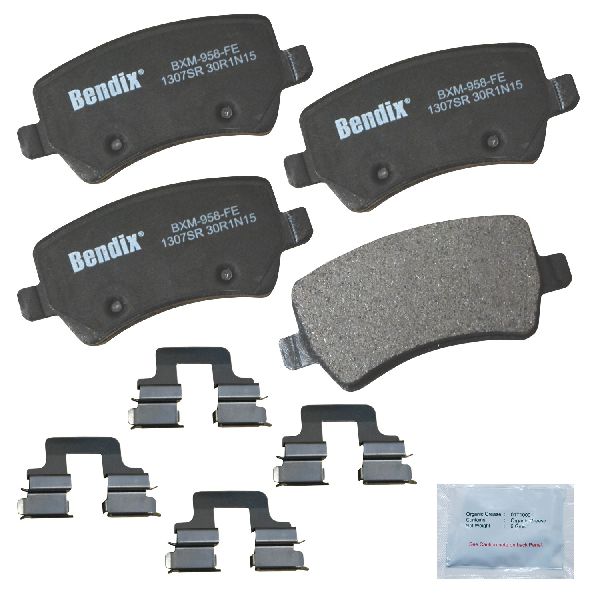
Yes. The Range Rover Evoque uses electronic wear sensors that are designed for single use. Once the sensor is triggered and the light comes on, it must be replaced. It is highly recommended to replace the sensor every time you replace the pads, even if the light hasn't come on yet. Many quality aftermarket pad sets include a new sensor in the box.
Why are my new brakes making noise?
New brake pads require a 'bed-in' period to properly mate with the rotor surface. This usually involves a series of controlled stops from various speeds. If the noise persists after bedding in, it could be related to the pad compound or an issue noted in a TSB, like brake shim delamination. Using a quality ceramic pad and ensuring all hardware is clean and properly lubricated during installation can prevent most noise issues.
Do I have to replace my rotors with my pads?
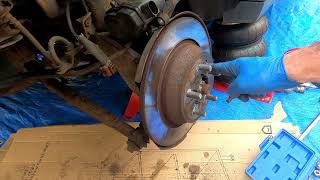
It is best practice to replace the rotors at the same time as the pads, especially on a heavy vehicle like the Evoque. At a minimum, the rotors must be inspected for thickness, warping, and surface damage. If they are below the minimum thickness stamped on the rotor hub or show signs of heavy grooving or heat spots, they must be replaced. 🎬 Follow this walkthrough for rear pad and rotor installation. Installing new pads on worn rotors will reduce braking performance and pad life.
Helpful Videos
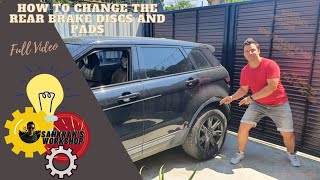
![Range Rover Evoque Rear Brake Pad Replacement / Installation + Park Brake Maintenance Mode [How To]](https://img.youtube.com/vi/5XFOr9m3etk/mqdefault.jpg)
![Range Rover Evoque Front Brake Pad and Rotors / Disc Replacement / Installation [How To] DIY](https://img.youtube.com/vi/wZ1I7R1gCt4/mqdefault.jpg)

Technical Specifications
OEM Part Numbers: LR027309 LR134693 LR160477 LR174900 LR043714 LR134695 LR090707
Fitment varies based on model year, sub-model, and installed brake system size (e.g., 300mm, 325mm, 349mm rotors). Front and rear pads are different parts. All models use an electronic wear sensor, typically one on the front axle and one on the rear axle.
We Have This Part in Stock

The information in this article is provided for general reference and educational purposes only. Vehicle specifications, procedures, and part compatibility can vary by production date, trim level, and region. Always consult your vehicle's factory service manual and verify part numbers before purchasing or performing repairs. Safety-critical components such as airbags, seat belts, and braking systems should be installed by a qualified professional.
- Land Rover Range Rover Evoque: