

Freightliner 108SD (2012-2024) Radiator Coolant Hose Guide
Keep your Freightliner 108SD's engine cool and prevent costly downtime by understanding when and how to replace your radiator hoses.
- Radiator hose failure is a leading cause of engine overheating in the Freightliner 108SD.
- Regularly inspect hoses for cracks, bulges, and leaks to prevent roadside breakdowns.
- High-quality aftermarket brands like Gates offer a reliable and cost-effective alternative to OEM hoses.
- When one hose fails, it is best practice to replace both the upper and lower hoses and the clamps at the same time.
Understanding Radiator Hose Failure in Your 108SD
Radiator hoses on a heavy-duty truck like the Freightliner 108SD live a tough life. Constant heat, pressure, and vibration cause the rubber to break down. Hoses can become brittle and crack, or soft and swollen. Oil and other chemical contamination can also speed up this process. A failing hose can lead to coolant leaks, which is the number one cause of engine overheating. Paying attention to the condition of your hoses during regular checks can prevent a small issue from turning into a major roadside breakdown.
Symptoms of a Failing Radiator Hose
Knowing the signs of a bad radiator hose can save you from catastrophic engine failure. Here’s what to look for:
- Visible Cracks or Bulges: Inspect the hoses, especially near the clamps. Any signs of cracking, splitting, or bulging mean the hose is weak and needs immediate replacement.
- Coolant Leaks: Puddles of green, orange, or yellow fluid under your truck are a clear sign of a leak. While leaks can come from the radiator or water pump, the hoses are a common culprit. Check the connections at the radiator and engine.
- Engine Overheating: If your temperature gauge is climbing, it could be due to a loss of coolant from a leaking hose.
- Spongy or Hard Hoses: When you check a cool engine, squeeze the radiator hoses. If they feel mushy, spongy, or rock-hard, they are deteriorating internally and should be replaced.
A Note on Leaks
A coolant leak might not always be from the hose itself. Sometimes, a loose or failing hose clamp is the problem. Other times, the plastic radiator neck where the hose connects can crack. Always inspect the entire area carefully to find the true source of the leak before replacing parts.
Choosing the Right Aftermarket Hose
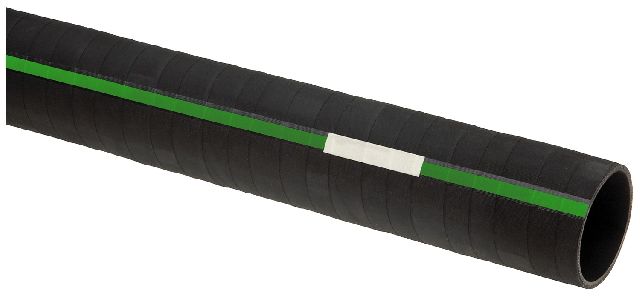
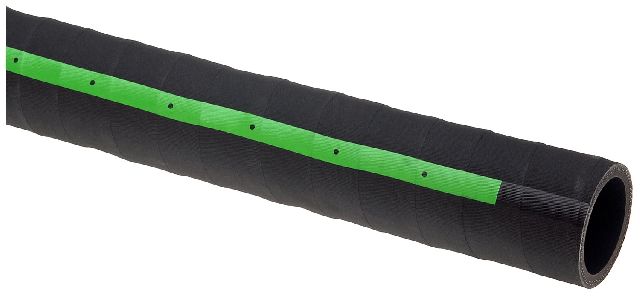
When it's time to replace a radiator hose, you have options. While OEM hoses are available, high-quality aftermarket brands offer excellent performance, often at a better price.
Gates is a well-known and respected brand in the aftermarket for heavy-duty truck parts. Their hoses are known for good quality and fitment. They often use materials like EPDM rubber, similar to OEM standards, designed to handle the high demands of a commercial truck's cooling system. When choosing an aftermarket hose, the most important factor after material quality is getting the correct shape and fit to avoid kinks or rubbing.
Pro Tip: Replace in Pairs
If one radiator hose has failed due to age, the other one is likely not far behind. It's good practice to replace both the upper and lower radiator hoses at the same time. Also, consider replacing the hose clamps, as they can lose their tension over time.
Cost to Replace Freightliner 108SD Radiator Hoses
| Part Type | Estimated Cost |
|---|---|
| New Aftermarket (Gates) | $42.47 - $147.48 |
| New OEM | $35 - $150+ |
| Shop Labor | $150 - $300 |
Note: Costs are estimates and can vary based on your location, specific truck configuration, and the repair shop.
Frequently Asked Questions (FAQ)
Are there any recalls for the 108SD radiator hoses?
No, there are no specific recalls on radiator coolant hoses for the 2012-2024 Freightliner 108SD. However, there have been recalls for other issues on these trucks, such as one for an engine wiring harness that could chafe and cause the engine to stall. Always check for any open recalls on your specific vehicle's VIN.
Is it difficult to replace a radiator hose on a 108SD?
Replacing a radiator hose is a relatively straightforward job for someone with mechanical experience. The main steps involve draining the coolant, removing the old hose clamps and hose, and installing the new parts. However, accessing the lower hose can be difficult, and properly draining and refilling the large cooling system is crucial to avoid air pockets. If you are not comfortable, it's best to have a professional mechanic do the job.
OEM vs. Aftermarket Gates Hose: Which is better?
OEM hoses are made to the exact factory specifications. However, reputable aftermarket brands like Gates produce high-quality hoses that meet or exceed OEM standards. For many truck owners, a Gates hose provides a great balance of quality, reliability, and price. The key is to ensure the hose has the correct shape and is made from quality materials like EPDM rubber.
How often should I replace my radiator hoses?
There is no exact mileage for replacing radiator hoses. Instead of following a strict schedule, you should inspect them regularly as part of your pre-trip and post-trip inspections. Look for the signs of wear mentioned earlier, such as cracks, bulges, or leaks. Many owners choose to replace them proactively every few years or around 100,000 miles to prevent unexpected failures.
Technical Specifications
OEM Part Numbers: 05-33643-000 05-32567-000 05-16836-013
Material: EPDM (Ethylene Propylene Diene Monomer) synthetic rubber. Some hoses may be silicone with fiber reinforcement. Hoses are specific to engine type (e.g., DD8) and position (upper/lower).
We Have This Part in Stock


The information in this article is provided for general reference and educational purposes only. Vehicle specifications, procedures, and part compatibility can vary by production date, trim level, and region. Always consult your vehicle's factory service manual and verify part numbers before purchasing or performing repairs. Safety-critical components such as airbags, seat belts, and braking systems should be installed by a qualified professional.
- Freightliner 108SD: