

Engine Coolant Temperature Sensor Guide for the 2013-2016 Audi allroad
Understand the symptoms of a failing coolant sensor on your allroad and learn how to choose the right aftermarket replacement.
- A bad ECT sensor can cause more than just a faulty gauge; it can lead to poor fuel economy, overheating, and a Check Engine Light.
- For critical electronics on an Audi, it is highly recommended to use OEM-supplier brands like Hella, Vemo, or Delphi for best reliability.
- Symptoms of a bad sensor are very similar to a failing thermostat; proper diagnosis is important to avoid replacing the wrong part.
- Replacement is an affordable and manageable DIY job for most owners, but be prepared to swap the sensor quickly to minimize coolant loss.
Is Your Audi allroad's Coolant Sensor Failing?
A faulty Engine Coolant Temperature (ECT) sensor on your 2013-2016 Audi allroad can create a surprising number of issues. Because the engine's computer relies heavily on the data from this sensor, a bad signal can lead to poor performance, increased fuel consumption, and incorrect readings on your dashboard. Recognizing the symptoms early can prevent more significant problems.
Symptoms of a Bad ECT Sensor
- Check Engine Light: This is the most common first sign. A diagnostic scan will often reveal codes like P0117 (Sensor Circuit Low Input) or P0118 (Sensor Circuit High Input).
- Inaccurate Temperature Gauge: The needle on your dash might stay on cold, jump to hot, or fluctuate unpredictably.
- Poor Fuel Economy: If the sensor incorrectly tells the computer the engine is cold, the ECU will enrich the fuel mixture, causing you to use more gas.
- Engine Overheating: A sensor that fails to report a hot engine can prevent the cooling fans from turning on when they're needed, especially in stop-and-go traffic.
- Cooling Fans Run Constantly: As a fail-safe measure, the ECU might run the radiator fans at full speed if it receives an illogical signal (or no signal) from the ECT sensor. This can drain your battery.
- Black Smoke from Exhaust: In some cases, a very rich fuel mixture caused by a false 'cold' signal can result in unburned fuel igniting in the exhaust, producing black smoke.
Thermostat vs. Temp Sensor
The symptoms of a bad ECT sensor can be very similar to those of a failing thermostat. A key difference is that a thermostat stuck open will often prevent the car from reaching its normal operating temperature, especially on the highway. A bad sensor is more likely to cause erratic gauge behavior and performance issues. Proper diagnosis is key to avoiding unnecessary repairs.
Choosing the Right Aftermarket Part
When it comes to electronics on German vehicles, not all aftermarket brands are created equal. While an OEM part from an Audi dealer is one option, many aftermarket brands produce high-quality parts, some of which are the original suppliers to Audi. For a critical sensor like the ECT, it is wise to stick with reputable brands.
Brand Tiers for Your Audi allroad
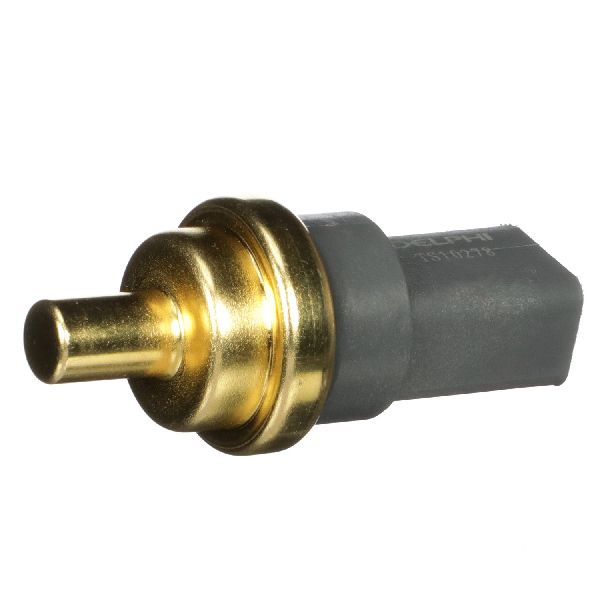
- Top-Tier (OEM Suppliers): Brands like Hella, Vemo, Delphi, and NGK/NTK often manufacture parts directly for Audi. Choosing one of these is the safest bet for OEM-level quality and reliability without the dealer markup.
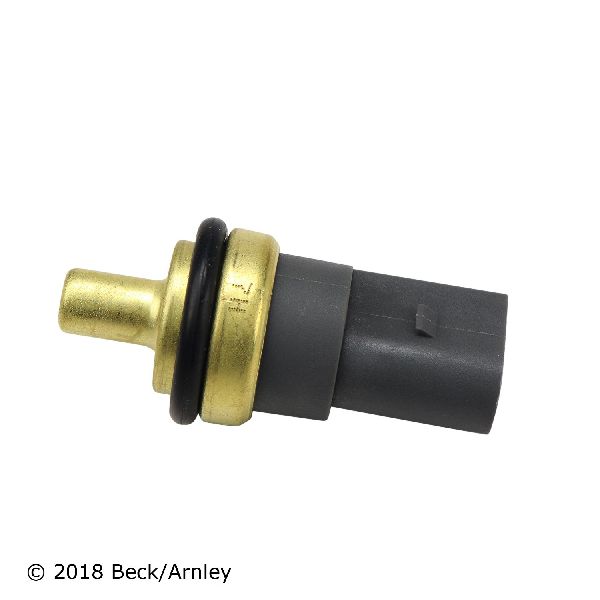
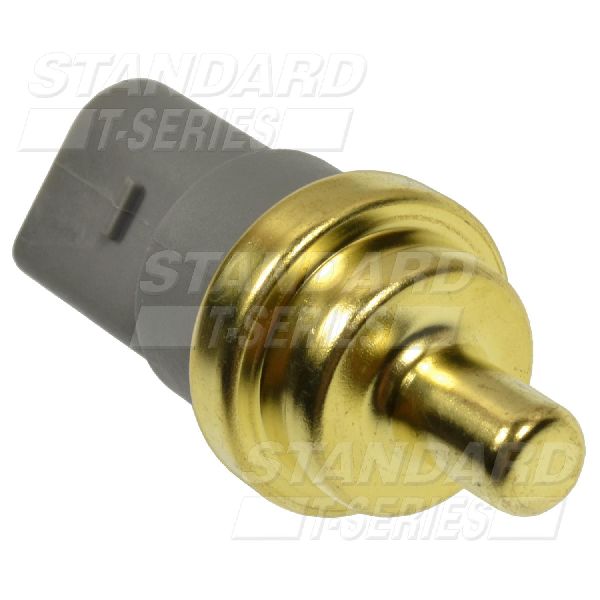
- Trusted Aftermarket: Brands such as Beck Arnley, Standard Ignition (SMP), and Holstein have a solid reputation in the industry for producing reliable parts that fit and function correctly.
- Budget-Friendly: Brands like Facet, Motorad, and True Tech offer a more affordable price point. While they can be a good value, for a critical sensor on a complex engine, sticking to the top or trusted tiers is generally recommended to avoid potential compatibility or longevity issues.
Cost of Replacing the Engine Coolant Temperature Sensor
Replacing the ECT sensor is one of the more affordable repairs for your Audi allroad. The primary cost is the part itself, as labor is minimal.
| Item | Estimated Cost |
|---|---|
| New Aftermarket Sensor | $13.18 - $43.76 |
| New OEM Sensor | $40 - $55 |
| Shop Labor | $75 - $125 |
Known Issues and Recalls
While there are no specific recalls for the Engine Coolant Temperature Sensor itself, the 2013-2016 Audi allroad was part of a significant recall (NHTSA Campaign ID: 17V002000, 18V229) for the separate electric *after-run* coolant pump. This pump could become blocked with debris, overheat, and pose a fire risk. While this is a separate component, it highlights the importance of maintaining a clean cooling system, which can also benefit the life of your sensors and main water pump.
Frequently Asked Questions
Where is the ECT sensor located on the 2013-2016 allroad?
On the 2.0T engine, the primary coolant temperature sensor (often green or gray) is typically located in a coolant flange on the back of the cylinder head or in the water pump/thermostat housing area. Access can be tight, but it is reachable for a DIY replacement.
🎬 Watch this step-by-step guide to replacing your Audi allroad's coolant sensor.Is this a difficult DIY job?
For a moderately experienced DIYer, this is a manageable job that takes less than an hour. The main challenge is the tight access. You will need basic hand tools, including a pick to release the retaining clip. Be prepared to swap the new sensor in quickly to minimize coolant loss.
Do I need to drain the coolant to replace the sensor?
No, a full drain is not necessary. Some coolant will spill when you remove the old sensor. To minimize loss, make sure the engine is completely cool and have the new sensor with its o-ring ready to install immediately after you pull the old one out. You can then top off the coolant reservoir as needed.
Should I replace the thermostat at the same time?
If your vehicle has high mileage or if you are getting cooling system performance codes (like P0128), it is a very good idea to replace the thermostat at the same time. The main water pump and thermostat assembly is a known failure point on these engines, so if you are already working on the cooling system, addressing this proactively can save you from a future breakdown.
Helpful Videos

Technical Specifications
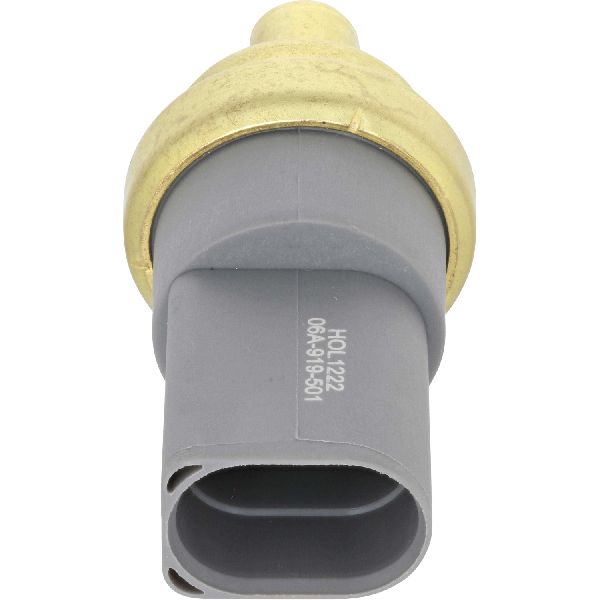
OEM Part Numbers: 06A919501A 059919501A
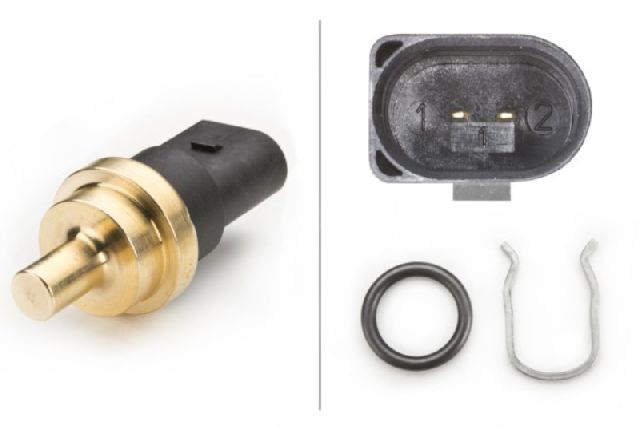
Typically a 2-pin sensor, often green or gray in color. Includes a rubber O-ring for sealing and is held in place by a plastic or metal clip.
We Have This Part in Stock


The information in this article is provided for general reference and educational purposes only. Vehicle specifications, procedures, and part compatibility can vary by production date, trim level, and region. Always consult your vehicle's factory service manual and verify part numbers before purchasing or performing repairs. Safety-critical components such as airbags, seat belts, and braking systems should be installed by a qualified professional.
- Audi allroad:
- 🎬 Helpful Videos
- 🛍️ Shop This Part
- Is Your Audi allroad's Coolant Sensor Failing?
- Symptoms of a Bad ECT Sensor
- Thermostat vs. Temp Sensor
- Choosing the Right Aftermarket Part
- Brand Tiers for Your Audi allroad
- Cost of Replacing the Engine Coolant Temperature Sensor
- Known Issues and Recalls
- Frequently Asked Questions
- 🎟️ Get 5% Off