

Essential Guide to the Serpentine Belt for the 2013-2017 Ford Ranger
Keep your Ranger's diesel engine and its accessories running reliably with the right replacement serpentine belt.
- The 2013-2017 Ranger is the international T6 model; confirm your engine (likely 2.2L or 3.2L diesel) before ordering parts.
- Always inspect the belt tensioner and idler pulleys when replacing the belt; replace them if there is any play or noise.
- Premium aftermarket brands like Gates, Continental, and Dayco offer OEM-level quality and are highly recommended by other owners.
- Do not drive with a broken serpentine belt, as it will cause the engine to overheat and the battery to die, leaving you stranded.
Understanding Your 2013-2017 Ford Ranger

Vehicle Market Notice: The 2013-2017 Ford Ranger, known as the T6 model, was not sold new in the US or North American markets. This guide is for the international version of the truck, most commonly equipped with the 2.2L 4-cylinder or 3.2L 5-cylinder Duratorq diesel engines. Parts and brand availability may vary, but many quality aftermarket brands are available through North American suppliers.
Symptoms of a Failing Serpentine Belt

A failing serpentine belt will almost always give you a warning sign before it breaks completely. Ignoring these signs can lead to getting stranded.
- Squealing or Chirping Noises: A high-pitched squeal, especially on startup or when the A/C is turned on, is the most common symptom of a worn or loose belt.
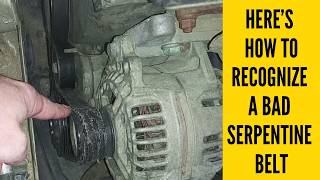
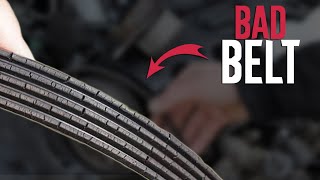
- Visible Wear and Tear: Pop the hood and look at the belt. If you see cracks, fraying, missing ribs, or a glazed, shiny appearance on the belt's surface, it's time for a replacement.
- Accessory Problems: If your battery light comes on, your power steering feels heavy, or your A/C stops blowing cold, the belt may be slipping and failing to turn those components properly.
- Overheating: If the belt breaks, the water pump will stop spinning, and your engine will overheat very quickly. 🎬 Watch this breakdown of bad belt symptoms and replacement costs. Pull over immediately if this happens.
Choosing the Right Aftermarket Serpentine Belt

While you can get a replacement belt from a Ford dealer, the aftermarket offers excellent quality, often for less money. Not all aftermarket parts are created equal, so it's best to stick with trusted brands.
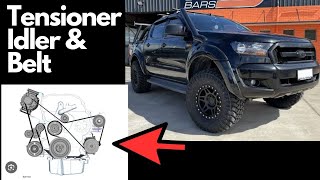
Pro Tip: Always inspect the belt tensioner and idler pulleys when replacing the belt. A common cause of belt failure is a worn-out tensioner. If the tensioner pulley has any wobble or feels rough when spun by hand, replace it along with the belt.
🎬 See how to replace the belt tensioner and idler pulley.Tier 1: Premium Aftermarket Brands
These brands are known for meeting or exceeding OEM quality and are trusted by professional mechanics. They are an excellent choice for reliability.
- Gates: A highly respected name in belts and hoses. Forum users and mechanics report excellent results with Gates belts and tensioners on Ford Rangers.
- Continental: Continental acquired the popular Goodyear Gatorback belt line. These belts have a unique helical cog design that is known to be very quiet and reduce squeaking.
- Dayco: Another top-tier OEM supplier with a strong reputation for quality belts.
Tier 2: Standard Aftermarket Brands
These include store brands from major auto parts retailers. Quality can be good, but may not match the longevity of premium brands. They are a fine choice for a budget-conscious repair, but for a work truck, sticking to Tier 1 is recommended.
Avoid: Unbranded "White Box" Parts
Avoid the cheapest belts found on online marketplaces. These often use inferior materials that can stretch, crack, or snap prematurely, costing you more in the long run.
Known Issues, Recalls, and TSBs
Searches for official recalls or Technical Service Bulletins (TSBs) from Ford or NHTSA did not find any specific issues related to the serpentine belt system on the 2013-2017 Ford Ranger T6 models. Most issues reported by owners are related to normal wear of the belt and tensioner. A seized accessory pulley, such as on the alternator or A/C compressor, can also cause a belt to shred, but this is a failure of the component, not the belt itself.
| Part/Service | Estimated Cost (USD) |
|---|---|
| Premium Aftermarket Serpentine Belt | $25 - $75 |
| OEM Ford Serpentine Belt | $50 - $100 |
| Shop Labor | $75 - $150 |
| Total Professional Replacement (Aftermarket) | $100 - $225 |
Frequently Asked Questions

How often should I replace my Ranger's serpentine belt?
A general guideline is to inspect the belt at every oil change and plan for replacement between 40,000 and 60,000 miles. However, a high-quality OEM or aftermarket belt can last much longer, with some owners reporting over 100,000 miles (170,000 km) on a single belt. Visual inspection is the best guide.
Can I replace the serpentine belt myself?
Yes, this is a DIY-friendly job for someone with basic mechanical skills. You will need a basic socket set and a long-handled ratchet or serpentine belt tool to release the tensioner. Always make a diagram or take a picture of the belt routing before you remove the old one.
🎬 Watch this step-by-step guide on changing your Ranger's drive belt.Should I replace the tensioner and idler pulleys with the belt?
It is highly recommended. The tensioner spring weakens over time, and the pulley bearings wear out. Replacing them with the belt is cheap insurance against the new belt failing prematurely.
Is the serpentine belt the same as the timing belt?
No. The serpentine belt runs accessories on the outside of the engine. The 2.2L and 3.2L Duratorq engines in this Ranger use a timing chain, not a belt, which is located inside the engine and synchronizes the crankshaft and camshafts. The timing chain is a much more complex job and is not a regular maintenance item like the serpentine belt.
Helpful Videos
![Symptoms of a Bad Serpentine Belt [With Proven Fixes]](https://img.youtube.com/vi/fMV8lpFhJpM/mqdefault.jpg)
Technical Specifications
OEM Part Numbers: AB39-6C-301CB (For 3.2L Engine) AB39-6C-301AB (For 2.2L Engine)
Multi-V, EPDM Rubber Construction

The information in this article is provided for general reference and educational purposes only. Vehicle specifications, procedures, and part compatibility can vary by production date, trim level, and region. Always consult your vehicle's factory service manual and verify part numbers before purchasing or performing repairs. Safety-critical components such as airbags, seat belts, and braking systems should be installed by a qualified professional.
- Ford Ranger:
- 🎬 Helpful Videos
- Understanding Your 2013-2017 Ford Ranger
- Symptoms of a Failing Serpentine Belt
- Choosing the Right Aftermarket Serpentine Belt
- Tier 1: Premium Aftermarket Brands
- Tier 2: Standard Aftermarket Brands
- Avoid: Unbranded "White Box" Parts
- Known Issues, Recalls, and TSBs
- Frequently Asked Questions
- 🎟️ Get 5% Off