

A Guide to the Engine Timing Belt for the 2013-2018 Acura RDX
Everything an owner needs to know about this critical maintenance job for the RDX 3.5L V6 engine.
- Replace the timing belt system every 105,000 miles or 7 years, whichever comes first, to prevent catastrophic engine failure.
- Always install a complete kit including the belt, water pump, hydraulic tensioner, and pulleys. The Aisin kit is a highly recommended aftermarket option.
- A ticking, chirping, or rattling noise from the engine is a critical warning sign that requires immediate inspection.
- This is a complex and high-risk job; for most owners, professional installation by a mechanic experienced with Honda J-series engines is strongly recommended.
When to Replace Your RDX's Timing Belt

Acura's recommended service interval for the timing belt on the 2013-2018 RDX is every 105,000 miles or 7 years, whichever comes first. This is not a suggestion; it is critical maintenance. While the belt itself is durable, other components in the system, like the hydraulic tensioner, can wear out sooner. Forum members and mechanics frequently report that the hydraulic tensioner is often the first part to fail, sometimes showing leaks well before the 105,000-mile mark. Ignoring the time interval is a common mistake; a low-mileage RDX that is 8 or 9 years old is still due for a new timing belt, as the rubber material degrades over time.
Don't Wait for a Warning Sign
The timing belt is a wear item that requires replacement based on time and mileage, not just when symptoms appear. A failure can happen suddenly with no warning, leading to catastrophic engine damage. If you have purchased a used RDX and do not have a clear service history, replacing the timing belt should be a top priority.
Symptoms of a Failing Timing Belt System

While you should not wait for symptoms, they can sometimes provide a final warning before a complete failure. If you notice any of these, the vehicle should be inspected immediately.
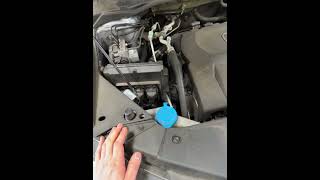
- Ticking or Chirping Noises: A rhythmic ticking or chirping sound from the front of the engine, especially after it has warmed up, is a serious warning sign. 🎬 Watch: Hear what this engine chirping noise sounds like. It can indicate a problem with the belt, pulleys, or the tensioner.
- Rattling on Startup: A brief rattling or grinding noise when you first start the engine can be a classic sign of a failing hydraulic tensioner.
- Engine Misfires or Rough Running: If the belt has slipped, it can throw off the engine's timing, leading to misfires, a loss of power, and a check engine light.
- Oil or Coolant Leaks: Leaks from the front of the engine near the timing belt covers can indicate a failing water pump seal or a leaking tensioner.
Choosing the Right Aftermarket Part: Not All Kits Are Equal
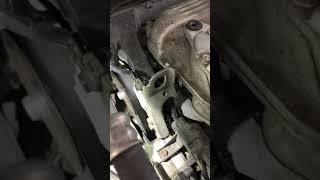
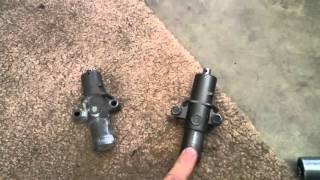
🎬 Important: Learn why you must check new tensioners before installation.
When replacing the timing belt, you must install a complete kit. A full kit for the RDX should include the timing belt, water pump and gasket, hydraulic tensioner, idler pulley, and tensioner pulley. Opting to replace only the belt is a major risk, as a failure of an old tensioner or water pump will destroy your new belt and your engine.
Here is a breakdown of common aftermarket brands:
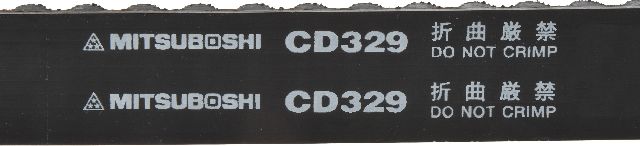
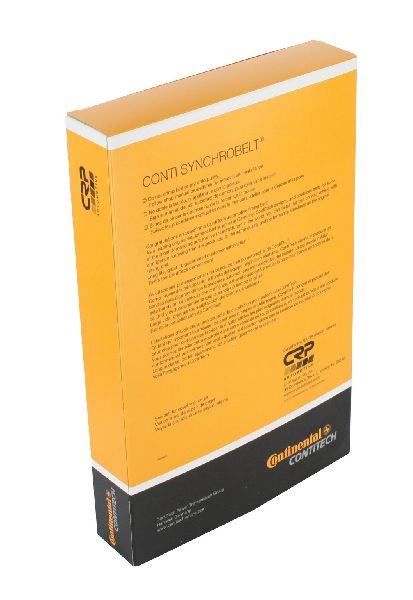
- Top Tier (OEM Quality): Kits from Aisin are widely regarded by Acura owners and mechanics as the best aftermarket option, often containing the same OEM-supplier parts you would get from a dealer, such as a Mitsuboshi belt. Brands like Gates and Continental also offer high-quality kits that are considered reliable alternatives.
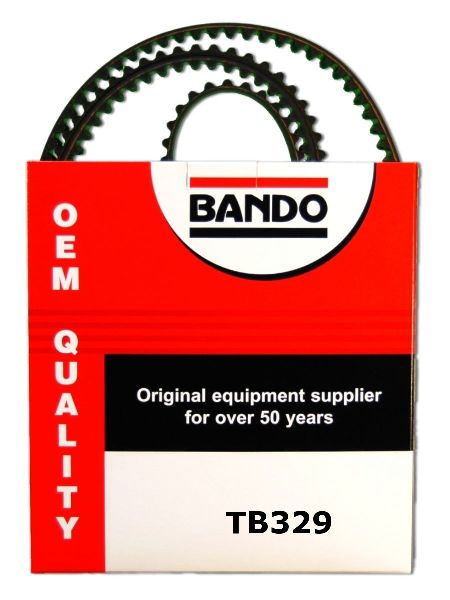
- Mid-Tier (Reputable Brands): Bando is a known OEM supplier for Japanese vehicles and their belts are high quality. Dayco also produces complete kits. While their belts are generally considered fine, some mechanics express less confidence in the longevity of their tensioners and pulleys compared to Aisin or OEM.
- Economy Tier: Brands like Cloyes are more known for timing chains and some online reviews show issues with their aftermarket kits for other vehicles, making them a riskier choice for a critical component like this. It is generally not recommended to use budget-tier parts for this job, as the cost of the parts is minimal compared to the labor and the potential cost of engine failure.
Pro Tip: Consider a Honda Dealership
The 3.5L V6 engine is used in many popular Honda models, like the Pilot and Odyssey. As a result, Honda dealership technicians are very familiar with this timing belt job and their labor rates are often significantly lower than Acura's. It is worth getting a quote from both.
Known Issues and Service Bulletins

There have been no major recalls for the timing belt on the 2013-2018 Acura RDX. However, Acura did issue Technical Service Bulletin (TSB) 14-025 for 2016-2018 models that addresses a "chirping noise from the timing belt area after the engine warms up." The issue is caused by the timing belt contacting the crankshaft pulley, and the fix involves installing a specific idler pulley shim.
| Component/Service | Estimated Cost |
|---|---|
| New OEM Parts (Kit) | $783 - $836 |
| New Aftermarket Parts (Kit) | $26.51 - $77.84 (Belt Only) / $130 - $480 (Full Kit) |
| Shop Labor | $390 - $573 |
| Total Professional Job (Independent Shop) | $900 - $1,409 |
| Total Professional Job (Acura Dealer) | $1,500 - $2,500+ |
Frequently Asked Questions
Can I just replace the timing belt and not the other parts?
No. The water pump, tensioner, and pulleys have a similar service life to the belt. A failed water pump or tensioner will cause the new belt to fail, leading to catastrophic engine damage. The majority of the replacement cost is labor, so it is critical to replace all components at once.
Is this a good DIY project?
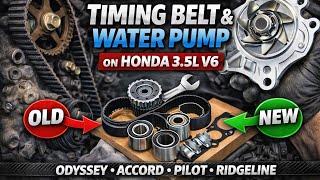
For most people, no. This is an advanced, high-stakes job. An error, such as getting the timing off by even one tooth, can destroy the engine. It requires special tools, including a crank pulley holder, and a high degree of mechanical skill. 🎬 See a full walkthrough of the Honda 3.5L timing belt replacement. This job is best left to a professional mechanic who is familiar with Honda/Acura V6 engines.
My RDX has low miles but it's over 7 years old. Do I really need to do this?
Yes, absolutely. The 7-year interval is due to the rubber belt's material degradation over time. It can become brittle and crack regardless of mileage. Many owners have reported that while their old belt looked fine, the hydraulic tensioner was leaking and close to failure. The age limit is just as important as the mileage limit.
What is TSB 14-025 about a chirping noise?
Acura issued this Technical Service Bulletin for a chirping noise from the timing belt area on some 2016-2018 RDX models. The fix involves a technician installing a special shim on the idler pulley to correct the belt's alignment. If you have this specific symptom, you should mention the TSB to your mechanic.
Helpful Videos
Technical Specifications
OEM Part Numbers: 14400-RCA-A01
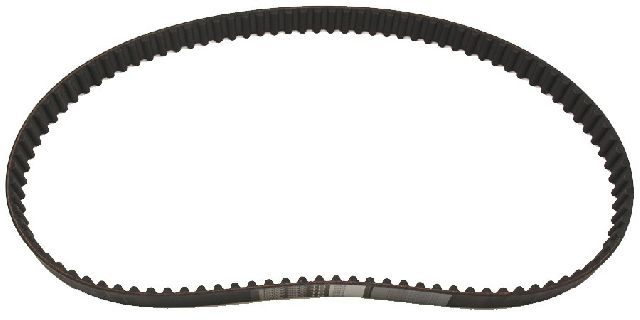
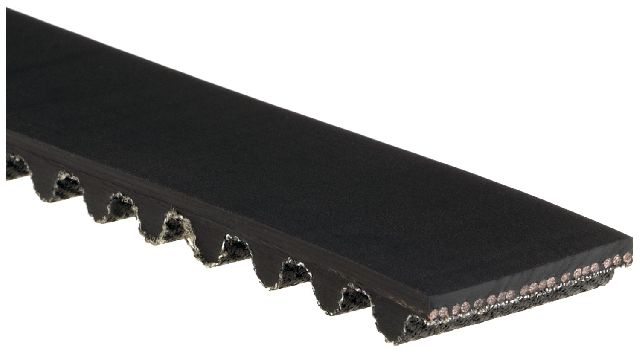
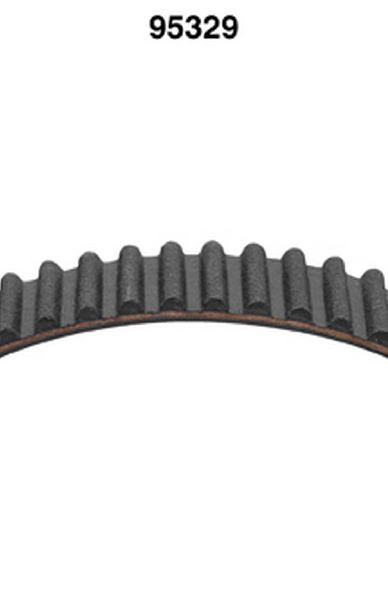
The OEM timing belt is typically a Mitsuboshi or Unitta brand belt with a tooth count of 197.
We Have This Part in Stock

The information in this article is provided for general reference and educational purposes only. Vehicle specifications, procedures, and part compatibility can vary by production date, trim level, and region. Always consult your vehicle's factory service manual and verify part numbers before purchasing or performing repairs. Safety-critical components such as airbags, seat belts, and braking systems should be installed by a qualified professional.
- Acura RDX:
- 🎬 Helpful Videos
- 🛍️ Shop This Part
- When to Replace Your RDX's Timing Belt
- Don't Wait for a Warning Sign
- Symptoms of a Failing Timing Belt System
- Choosing the Right Aftermarket Part: Not All Kits Are Equal
- Pro Tip: Consider a Honda Dealership
- Known Issues and Service Bulletins
- Frequently Asked Questions
- 🎟️ Get 5% Off