

Audi A8 Quattro Turbocharger Boost Sensor Guide (2013-2018)
Understanding the signs of a failing turbo boost sensor in your D4 Audi A8 Quattro and how to choose the right replacement.
- A critical recall (21H7) for 2013-2017 models involves turbo oil starvation, which can destroy the turbos; verify this has been addressed.
- Symptoms of a bad boost sensor include significant power loss, poor fuel economy, and a Check Engine Light (Code P0236).
- Aftermarket sensors from Bosch are a high-quality, cost-effective alternative to expensive genuine Audi parts, as Bosch is an original equipment supplier.
- Rule out a simple boost leak from a cracked hose before condemning the sensor, as symptoms can be very similar.
Symptoms of a Failing Boost Sensor
When the boost sensor on your A8 Quattro starts to fail, it sends incorrect information to the engine's computer. This can cause a variety of noticeable problems. You should suspect a sensor issue if you experience one or more of the following:
- Check Engine Light: This is often the first sign. The computer will log a fault code, most commonly P0236, which points to a problem with the boost sensor's signal.
- Loss of Power: Your car may feel sluggish and slow to accelerate because the ECU reduces engine power as a safety measure.
- Poor Fuel Economy: With incorrect air pressure readings, the engine can't maintain an efficient air-fuel mixture, causing you to use more gas.
- Rough or Unstable Idle: The engine may struggle to idle smoothly, and you might experience surging or hesitation during acceleration.
- Black Exhaust Smoke: If the engine runs too rich (too much fuel) due to a bad sensor reading, unburned fuel can exit the exhaust as black smoke.
CRITICAL: Turbocharger Oil Starvation Recall & TSB
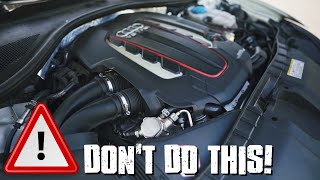
For 2013-2017 Audi A8 models with the 4.0L engine, there is a major safety recall (NHTSA 22V178000 / Audi Recall 21H7) and a related Technical Service Bulletin (TSB 2044640). The oil strainer for the turbochargers can become clogged, starving them of oil. This can lead to catastrophic turbo failure, causing a sudden loss of engine power and increasing the risk of a crash. 🎬 See why this 4.0T oil strainer issue is so critical Symptoms of this issue can be similar to a bad sensor, including reduced performance and unusual engine noises. It is crucial to have an Audi dealer verify if this recall work has been performed on your vehicle.
Choosing the Right Aftermarket Boost Sensor
When replacing the boost sensor, you have the choice between a genuine Audi part (OEM) and an aftermarket part. For a critical electronic sensor like this, quality is important.
- OEM: Original Equipment Manufacturer parts are what the car was built with. They are a guaranteed fit and quality, but come at the highest price.
- Aftermarket (Bosch): Bosch is a well-respected brand that is the original manufacturer for many of Audi's electronic parts. Choosing a Bosch aftermarket sensor often gets you the exact same quality and performance as the genuine part, but without the Audi logo and dealership price tag. It is a reliable and cost-effective choice for your A8 Quattro.
Is It the Sensor or a Boost Leak?
Symptoms like power loss and whistling noises can also be caused by a boost leak from a cracked hose or loose clamp. A bad sensor tells the computer the wrong pressure, while a leak prevents the pressure from building correctly. If you replace the sensor and the problem persists, a mechanic should perform a smoke or pressure test on the intake system to check for leaks.
Replacement Cost
The cost to replace the turbocharger boost sensor can vary based on your location and whether you do the work yourself or use a repair shop. The aftermarket price range for a quality Bosch sensor is quite affordable.
| Part Source | Estimated Cost |
|---|---|
| New OEM (Dealer) | $180 - $200 |
| New Aftermarket (Bosch) | $38.25 - $83.97 |
| Shop Labor | $49 - $72 |
| Total Professional Replacement | $229 - $272 |
Frequently Asked Questions
Can I replace the boost sensor myself?
Yes, this is a feasible DIY job for someone with basic mechanical skills. The sensor is typically located on the intake piping near the throttle body. Access may require removing the engine cover and air filter housing. The main challenges are reaching the sensor and carefully disconnecting the electrical connector without breaking it. The job typically takes a professional less than an hour.
What happens if I don't replace a bad boost sensor?
Ignoring a faulty boost sensor is not recommended. Continuing to drive can lead to persistently poor engine performance, terrible fuel mileage, and potential damage to other components like the catalytic converter from an incorrect air-fuel ratio.
What is a Technical Service Bulletin (TSB)?
A TSB is a document issued by the manufacturer to its dealers with information about diagnosing and repairing a known common problem that is not a safety recall. For the A8, TSBs exist for issues like a circlip falling off the turbo wastegate (TSB 2039006/3), which can also cause low power.
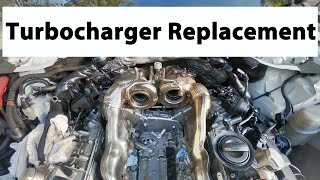
🎬 Watch: A full walkthrough of the 4.0T turbocharger replacement processWill a new sensor fix a P0236 code?
Most often, yes. The P0236 code specifically points to a performance problem in the boost sensor circuit. However, the fault could also be in the wiring or the connector itself. Always inspect the wiring for damage before assuming the sensor is the only problem.
Helpful Videos
Technical Specifications
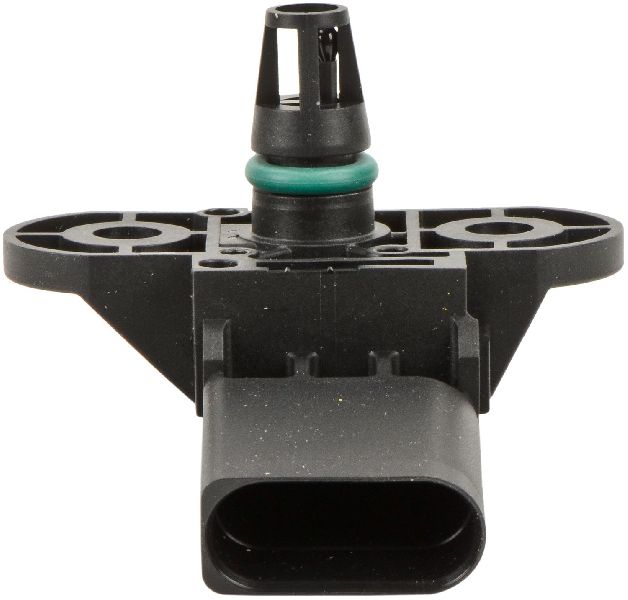
OEM Part Numbers: 03K906051 038906051 036906051G
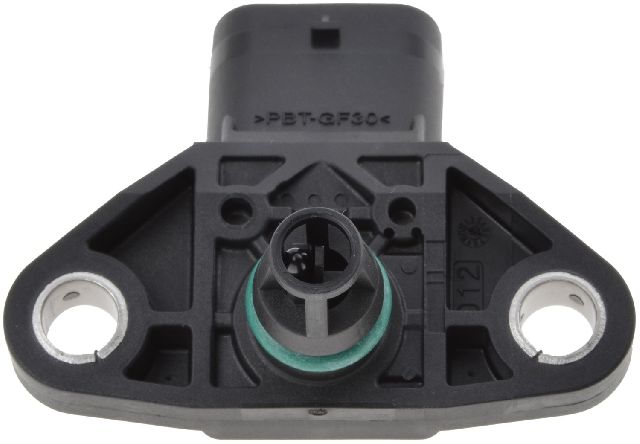
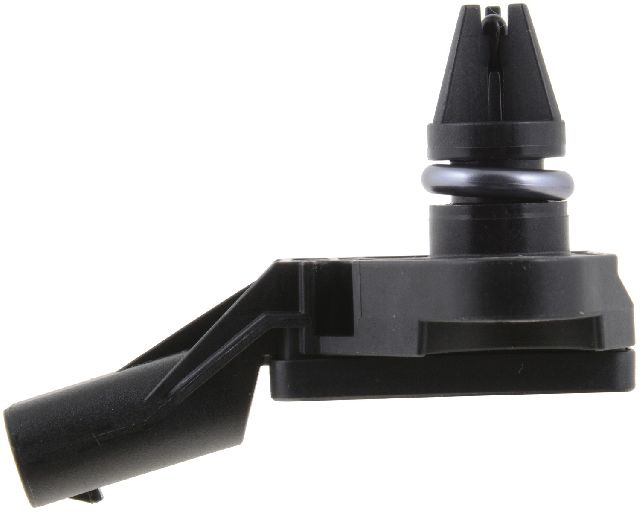
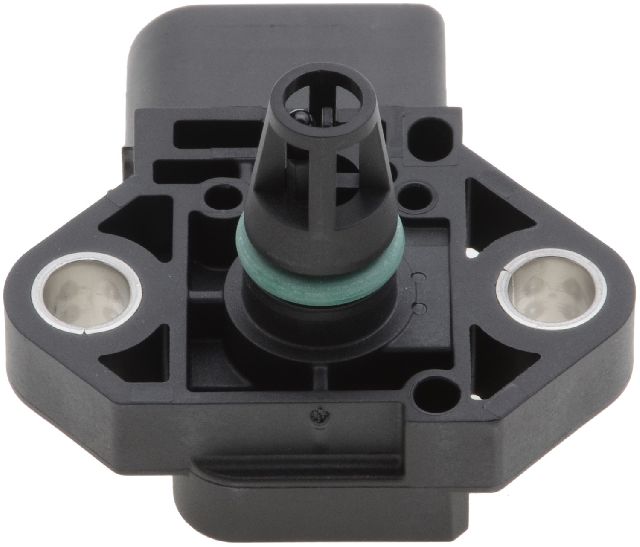
This is a 4-pin pressure and temperature sensor that measures forced induction pressure inside the intake manifold. Always confirm the part number with your vehicle's VIN before ordering.
We Have This Part in Stock

The information in this article is provided for general reference and educational purposes only. Vehicle specifications, procedures, and part compatibility can vary by production date, trim level, and region. Always consult your vehicle's factory service manual and verify part numbers before purchasing or performing repairs. Safety-critical components such as airbags, seat belts, and braking systems should be installed by a qualified professional.
- Audi A8 Quattro: