

A Guide to Replacing Disc Brake Pads on Your 2013-2018 Chevrolet Trax
Learn how to choose the right aftermarket brake pads to ensure your Trax stops safely and quietly.
- For most Trax owners, ceramic aftermarket pads from brands like Akebono, Powerstop, or Bosch offer the best combination of quiet performance and low dust.
- Always replace brake rotors at the same time as the pads for the best and safest performance.
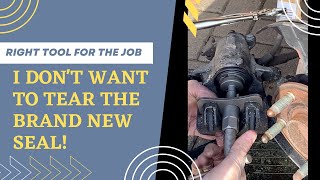
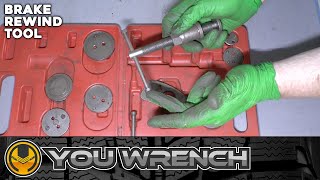
- Rear brake pad replacement requires a special tool to retract the caliper piston; do not use a standard C-clamp.
- Listen for squealing noises as the first sign of wear; hearing a grinding noise means the repair will be more expensive and is a critical safety issue.
Signs of Worn Brake Pads on a Chevrolet Trax

Your Trax will give you clear warnings when its brake pads are nearing the end of their life. Ignoring these signs can lead to more expensive repairs, like needing to replace the brake rotors. Brake pads on a Trax typically last between 30,000 and 70,000 miles, depending on your driving habits.
- Squealing or Screeching: This is the most common sign. A small metal tab called a wear indicator is built into the brake pads. When the pads wear down, this tab scrapes against the rotor, making a high-pitched noise when you brake.
- Grinding Noise: If you hear a deep, metallic grinding sound, stop driving as soon as it is safe. This means the friction material is completely gone, and the metal backing plate of the pad is grinding against the rotor, causing severe damage.
- Spongy or Soft Brake Pedal: If the brake pedal feels less firm than usual or goes closer to the floor, it could indicate a problem in the brake system, possibly related to worn pads or a hydraulic issue.
- Vehicle Pulling to One Side: If your Trax pulls to the left or right when you brake, it could mean the pads on one side are more worn than the other, or a brake caliper is sticking.
- Vibration: A pulsating or vibrating feeling in the brake pedal or steering wheel when braking often points to a warped brake rotor, which can happen when pads are worn out.
Known Issues and Recalls
While there are no recalls specifically for the brake pads on the 2013-2018 Trax, a safety recall (NHTSA Campaign ID: 18V576) was issued for some 2018 models. The rear brake caliper pistons could have trapped gas, which might reduce rear brake performance. A GM dealer can bleed the brake system to fix this at no charge. Some owners have also reported premature brake wear, sometimes under 20,000 miles, which could be caused by a sticking caliper or harsh driving conditions.
Choosing the Right Aftermarket Brake Pads

Original Equipment (OEM) pads from GM are a safe choice, but high-quality aftermarket pads can offer better performance, longer life, and lower cost. For a daily driver like the Trax, ceramic pads are often the best choice for their quiet operation and low brake dust. Aftermarket pads generally fall into three categories.
Economy Pads
These are the most affordable options, designed to meet basic safety standards. They are a good choice for budget-conscious drivers with gentle driving habits.
- Brands: Pronto, Dynamic Friction, Total Stopping Solutions, Newtek Automotive USA.
- Pros: Lowest cost.
- Cons: May wear faster and be noisier than higher-tier options.
OEM-Equivalent Pads
These pads are designed to match the performance and feel of the original factory pads. They offer a great balance of quality, durability, and price for most Trax owners.
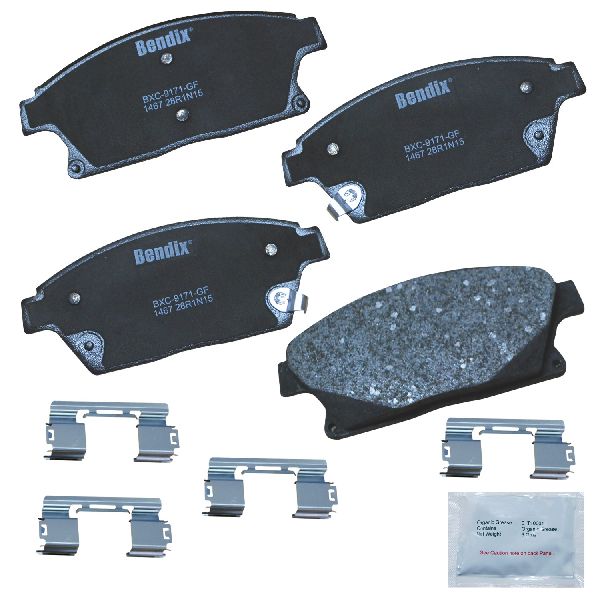
- Brands: ACDelco (their aftermarket lines), Raybestos, Wagner Brakes, Centric, Bendix.
- Pros: Reliable performance, good value, often come with necessary hardware.
- Cons: May not be a significant performance upgrade over stock.
Premium & Performance Pads
For drivers who want improved stopping power, less dust, and longer life, premium pads are the best choice. Many of these are ceramic formulations that are a direct upgrade for the Trax.
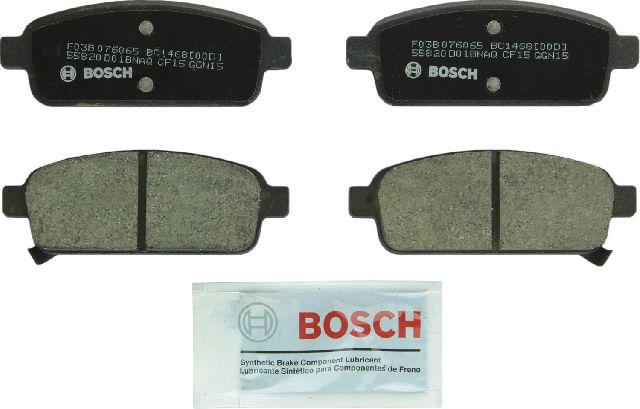
- Brands: Akebono, Bosch, Powerstop, Brembo, EBC Brakes.
- Pros: Excellent stopping power, quiet operation, low dust, and long life. Powerstop's Z17 Evolution ceramic pads are a popular choice for a quiet, clean stock replacement.
- Cons: Highest initial cost.
A Note on Rear Brake Pad Replacement
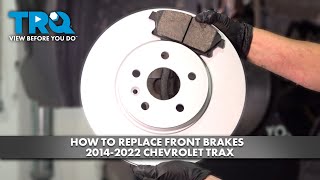
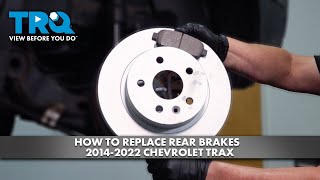
The front brake pads on the Trax are a standard replacement job. However, the rear calipers on models with rear disc brakes have an integrated parking brake mechanism. You cannot simply push the piston back in with a C-clamp. You will need a special brake caliper tool that simultaneously pushes and turns the piston to retract it. Attempting to force it can damage the caliper.
Frequently Asked Questions (FAQ)

Should I replace my brake rotors at the same time as the pads?
It is highly recommended. Installing new pads on old, worn, or warped rotors can reduce braking performance, create noise, and cause the new pads to wear out unevenly and quickly. For best results, always replace pads and rotors together.
What is the difference between front and rear brake pads on my Trax?
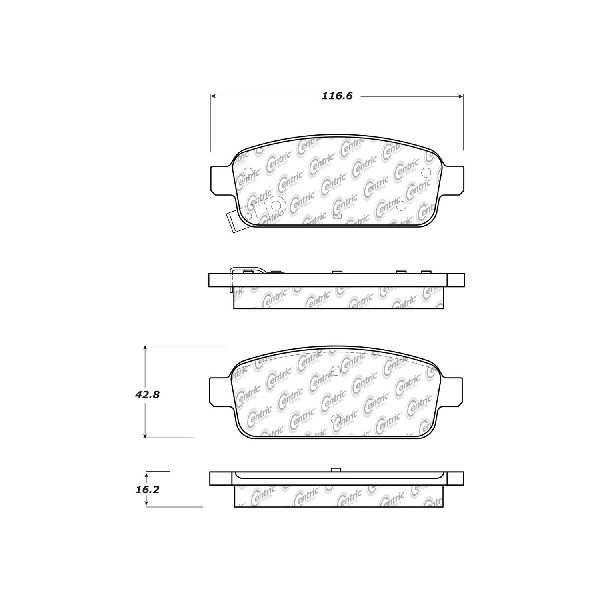
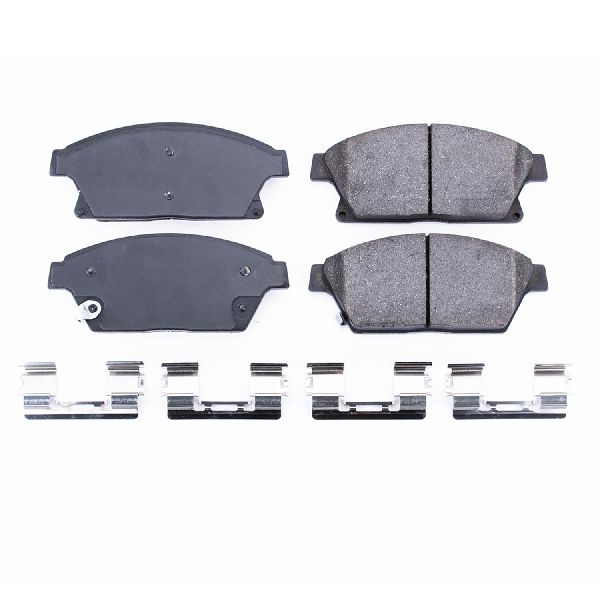
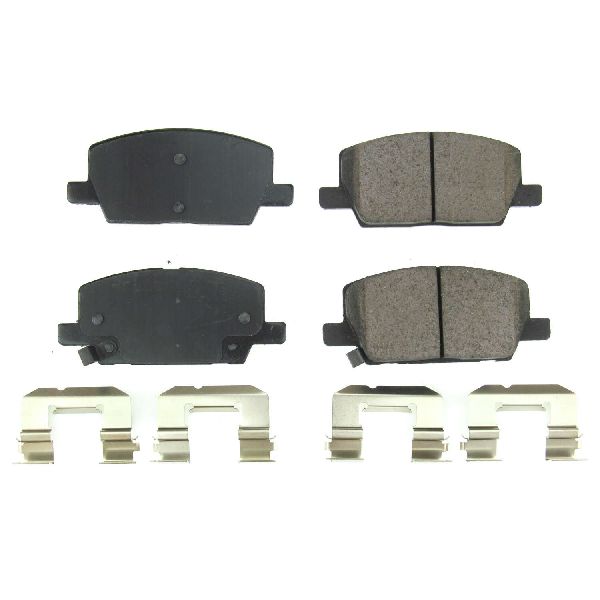
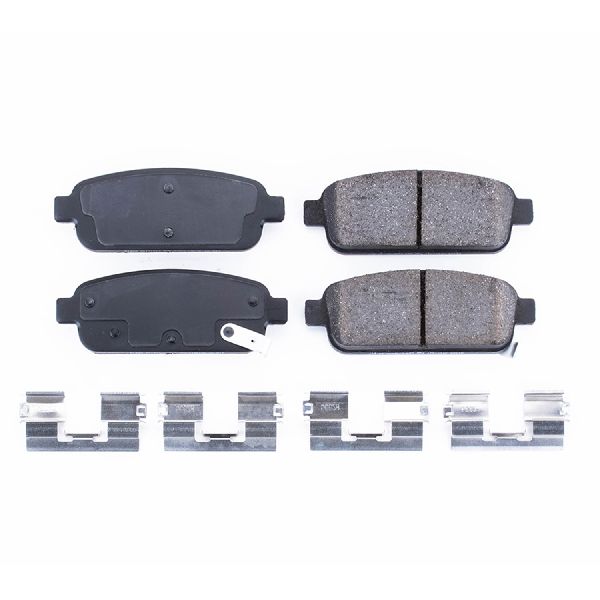
Front and rear brake pads are different shapes and sizes and are not interchangeable. The front brakes do most of the stopping work (around 70%), so the pads are larger and tend to wear out faster than the rears. Always ensure you are buying the correct pads for the front or rear axle.
What is brake pad "break-in" or "bedding"?
Break-in is a process of several controlled stops after installing new pads and rotors. This process transfers a thin, even layer of friction material from the pads onto the rotors. It ensures smooth, quiet, and powerful braking for the life of the pads. Most manufacturers include specific break-in instructions with their new brake pads.
Are ceramic or semi-metallic pads better for my Trax?
For most Chevrolet Trax owners, ceramic pads are the better choice. They provide quiet, confident stopping for daily driving and produce very little brake dust, which keeps your wheels cleaner. Semi-metallic pads offer more aggressive stopping power, but at the cost of more noise and dust, which is generally not necessary for a subcompact SUV.
Helpful Videos

Technical Specifications
OEM Part Numbers: 42672635 42566753 22799077 13408579 13412810
The 2013-2018 Chevrolet Trax uses disc brakes on both the front and rear axles for most trims. Some models may have rear drum brakes, which use brake shoes instead of pads. Always verify your vehicle's specific setup before ordering parts. The front and rear pads are different part numbers and are not interchangeable.
We Have This Part in Stock

The information in this article is provided for general reference and educational purposes only. Vehicle specifications, procedures, and part compatibility can vary by production date, trim level, and region. Always consult your vehicle's factory service manual and verify part numbers before purchasing or performing repairs. Safety-critical components such as airbags, seat belts, and braking systems should be installed by a qualified professional.
- Chevrolet Trax: