

Ford C-Max Engine Cylinder Head Temperature Sensor Guide (2013-2018)
Understand the signs of a failing CHT sensor and how to choose the right replacement for your C-Max.
- A failing CHT sensor in a C-Max can trigger a serious 'limp mode' (P1299 code), even if the engine isn't actually overheating.
- Symptoms include the check engine light, poor performance, bad fuel economy, and hard starting.
- Replacement is DIY-friendly, with the sensor located on top of the engine, but you may need an extra-deep socket.
- A quality aftermarket sensor from a brand like Standard Ignition or Dorman is a cost-effective alternative to OEM.
Is Your C-Max Engine Acting Strange? It Could Be the CHT Sensor.
If your 2013-2018 Ford C-Max is running rough, getting bad gas mileage, or showing an overheating warning, a bad Engine Cylinder Head Temperature (CHT) sensor could be the problem. This small part sends vital temperature data to your car's computer. When it fails, it can cause a range of issues, from annoying to serious. Fortunately, replacing it is a straightforward job.
Symptoms of a Failing CHT Sensor
A bad CHT sensor can trick your car's computer. It might think the engine is cold when it's hot, or vice-versa. This leads to several noticeable problems:
- Check Engine Light: This is usually the first sign. The computer will log a fault code, most commonly P1299 (Cylinder Head Overtemperature Protection Active) or P1289 (CHT Sensor Circuit High Input).
- Engine Overheating Message & Limp Mode: A failed sensor can falsely report an overheat condition. This triggers a warning on your dash and activates a "fail-safe" or "limp mode," which drastically reduces engine power to prevent damage. Your car will feel very sluggish and may not accelerate properly.
- Poor Performance and Fuel Economy: If the sensor incorrectly tells the computer the engine is cold, the system will inject too much fuel. This leads to poor gas mileage, rough idling, and hesitation when you accelerate.
- Hard Starting: An incorrect temperature reading can make it difficult for the engine to start, causing it to crank longer than usual.
Known Issues and Recalls
There are no specific recalls from Ford or NHTSA for a faulty CHT sensor on the 2013-2018 C-Max. However, a common trouble code associated with this failure is P1299, which indicates the engine's protective limp mode has been activated due to a perceived overheat condition. This is a serious warning that should be addressed immediately.
Choosing the Right Aftermarket CHT Sensor
For a critical component like the CHT sensor, part quality matters. While an OEM part from the dealer is always an option, quality aftermarket brands offer a reliable alternative at a better price.
- Premium Aftermarket (Standard Ignition): Brands like Standard Ignition have a strong reputation for making electronic parts that meet or exceed original specifications. They are a trusted choice for mechanics and a solid alternative to the more expensive OEM part.
- Value Aftermarket (Dorman, Motorad, Global Parts): Dorman is known for providing cost-effective parts and sometimes even offers redesigned parts that fix original flaws. However, some mechanics have mixed opinions on the long-term reliability of their electronic sensors. For a simple sensor like the CHT, these brands can offer good value, especially if the budget is tight. Motorad also promotes its extensive testing to meet OE standards.
Cost to Replace a Ford C-Max CHT Sensor
Here is a general cost estimate. Prices can vary by location and supplier.
| Item | Estimated Cost |
|---|---|
| New OEM (Motorcraft) Sensor | $40 - $65 |
| New Aftermarket Sensor | $30.50 - $42.53 |
| Shop Labor | $60 - $120 |
| Total (DIY) | $30.50 - $42.53 |
| Total (Installed at Shop) | $90 - $165 |
Pro Tip: You Might Need a Special Socket
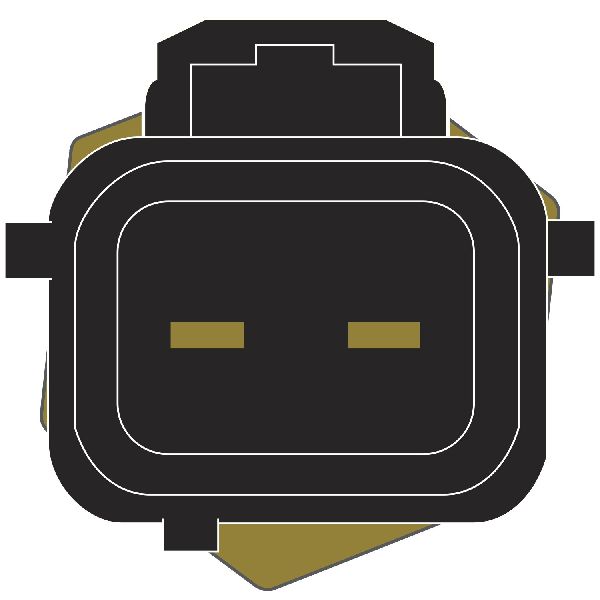
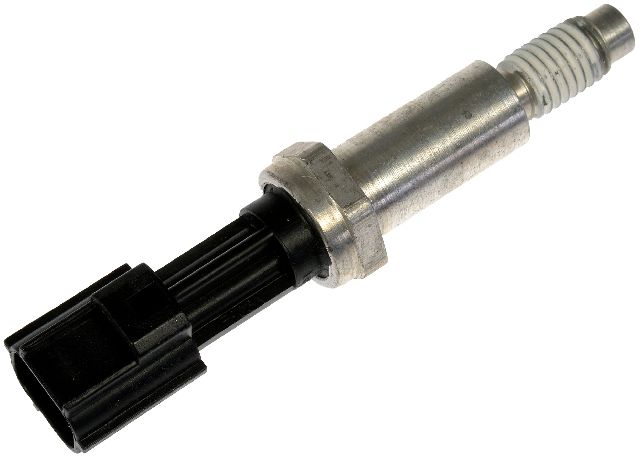
The CHT sensor on the C-Max has a long plastic connector. A standard deep well socket may not be deep enough to fit over the connector and grip the sensor's hex base. An extra-deep socket, like one designed for lawnmower spark plugs, is a cheap and effective tool for this job.
Frequently Asked Questions
Can I replace the CHT sensor myself?
Yes, this is a DIY-friendly job for most people. The sensor is located on top of the engine, between the ignition coils for cylinders #3 and #4. You will need to remove the plastic engine cover and possibly one ignition coil to get access. The main challenge is having a socket deep enough to fit over the sensor. The entire job should take less than an hour.
Is a CHT sensor the same as an ECT sensor?
No. While they both measure temperature, a Cylinder Head Temperature (CHT) sensor measures the temperature of the engine's metal head. An Engine Coolant Temperature (ECT) sensor measures the temperature of the coolant fluid itself. Your C-Max relies on the CHT sensor for its primary engine temperature readings.
What is "limp mode"?
Limp mode, or fail-safe cooling, is a protective feature. When the car's computer thinks the engine is dangerously hot (even if it's a false alarm from a bad sensor), it will cut fuel to some cylinders and limit engine power. This allows you to "limp" to a safe location without causing catastrophic engine damage. You should not continue to drive the vehicle normally when it is in this state.
Will a bad CHT sensor always cause an overheating warning?
Not always. Sometimes the sensor fails by sending a constant "cold" signal. In this case, you won't get an overheat warning, but you will experience other symptoms like poor fuel economy, rough running, and difficulty starting the engine.
Technical Specifications
OEM Part Numbers: 7L5Z-6G004-A
The CHT sensor for the 2013-2018 Ford C-Max is a thermistor-type sensor that screws directly into the cylinder head, measuring metal temperature rather than coolant temperature.
We Have This Part in Stock


The information in this article is provided for general reference and educational purposes only. Vehicle specifications, procedures, and part compatibility can vary by production date, trim level, and region. Always consult your vehicle's factory service manual and verify part numbers before purchasing or performing repairs. Safety-critical components such as airbags, seat belts, and braking systems should be installed by a qualified professional.
- Ford C-Max:
- 🛍️ Shop This Part
- Is Your C-Max Engine Acting Strange? It Could Be the CHT Sensor.
- Symptoms of a Failing CHT Sensor
- Known Issues and Recalls
- Choosing the Right Aftermarket CHT Sensor
- Cost to Replace a Ford C-Max CHT Sensor
- Pro Tip: You Might Need a Special Socket
- Frequently Asked Questions
- 🎟️ Get 5% Off