

A Comprehensive Guide to the 2013-2018 Toyota Camry A/C Condenser
Is your Camry's A/C blowing warm? Here's what you need to know before replacing your condenser.
- The most common cause of failure is physical damage from road debris; inspect the front of your condenser for bent fins or punctures.
- Always replace the receiver/drier when replacing the condenser to ensure proper A/C performance and longevity.
- Aftermarket brands like Koyorad and Spectra offer a good balance of quality and value for your Camry.
- The job requires professional refrigerant evacuation and recharge, even if you replace the part yourself.
Is Your Camry's A/C Ready for the Heat?

If the air conditioning in your 2013-2018 Toyota Camry isn't blowing cold, a failing A/C condenser could be the problem. This component is a critical part of the A/C system, but its location at the front of the car makes it vulnerable to damage from rocks and road debris. This guide will walk you through the symptoms of a bad condenser, help you choose the right aftermarket replacement, and explain what to expect for the repair.
Symptoms of a Failing A/C Condenser


A bad condenser will quickly make itself known, especially on hot days. Here are the most common signs:
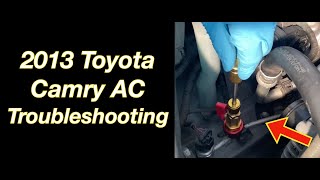
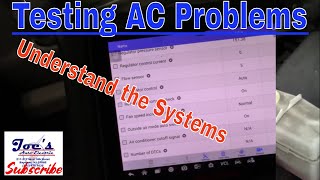
🎬 Watch: A DIY guide to troubleshooting your Camry's A/C system- Warm or Lukewarm Air: This is the most obvious symptom. If the condenser is clogged or leaking, it can't cool the refrigerant effectively, resulting in warm air from your vents.
- A/C System Shuts Off: Modern A/C systems have pressure sensors. If a faulty condenser causes pressures to get too high, the system may shut down automatically to prevent damage to the compressor.
- Visible Leaks: You might see a faint, oily residue on the condenser's surface. If a technician has added UV dye to the system during a previous service, a leak will appear as a bright green glow under a blacklight.
- Visible Damage: Since the condenser is at the front, it's easy to inspect. Look for bent or crushed fins, or obvious signs of impact from road debris. 🎬 Watch: Why road debris can cause sudden A/C failure
Known Issues for 2012-2013 Models
Toyota issued a recall (NHTSA #13V-442) for some 2012-2013 Camry models related to the A/C system. However, this was NOT for the condenser at the front of the car. The recall was for the interior HVAC housing, where condensation could leak onto the airbag control module. This is a separate issue from a condenser failing due to damage or leaks.
Choosing the Right Aftermarket Condenser

You don't need to buy a part from the dealer to get your A/C working again. Aftermarket parts offer a great balance of quality and value. They generally fall into a few quality tiers.
Tier 1: Premium Aftermarket
These brands are known for quality that is often equal to the original part. They are the top choice for owners who want the best possible performance and longevity from an aftermarket part.
- Koyorad: Known for robust construction and excellent cooling performance.
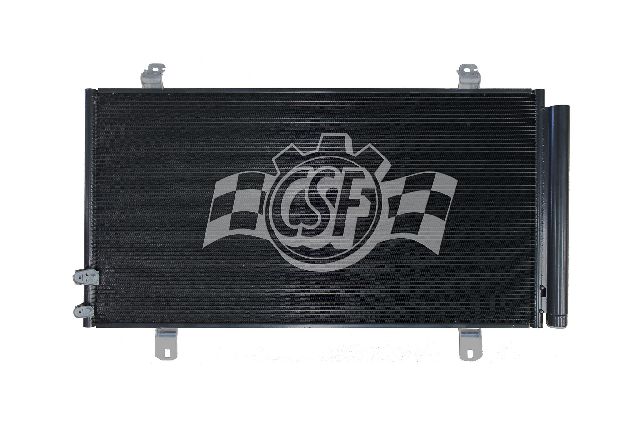
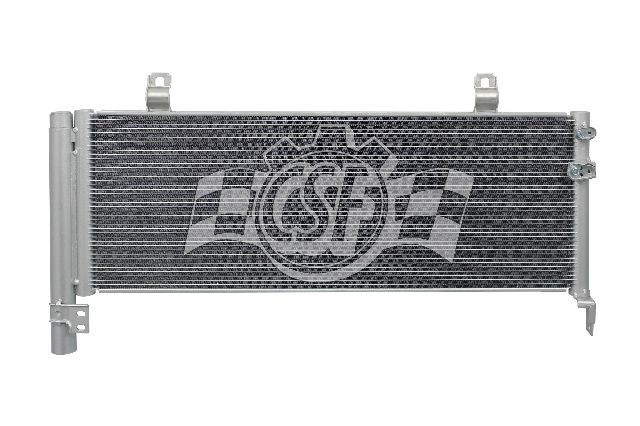
- CSF Radiator: A well-respected brand in the cooling system world, offering high-quality construction.
Tier 2: Quality Alternatives
These brands provide reliable performance and a good fit at a more moderate price point. They are a popular choice for daily drivers.
- Spectra: Offers a good balance of quality and value, with many users reporting easy installation.
Tier 3: Economy Options
These brands meet basic requirements and are the most budget-friendly. They are a practical choice for getting the A/C running without a big investment.
- Global Parts (GPD): A common aftermarket brand offering a wide range of A/C components.
- One Stop Solutions (OSC): Provides functional, cost-effective replacement parts.
Pro Tip: Always Replace the Receiver/Drier
Whenever you replace the condenser, you must also replace the A/C receiver/drier (or desiccant bag). This component absorbs moisture from the refrigerant. Opening the system to replace the condenser exposes the drier to air, saturating it. A new condenser installed with an old drier will not perform well and can lead to future system failure. Many aftermarket condensers come with a new drier included.
Cost of Replacing a 2013-2018 Camry A/C Condenser
The total cost depends on whether you do the work yourself or take it to a shop. The most important thing to remember is that the A/C system must be professionally evacuated before work begins and recharged after.
| Item | Estimated Cost |
|---|---|
| New Aftermarket Condenser | $107 - $153 |
| New OEM Condenser | $315 - $450 |
| Shop Labor | $250 - $475 |
| Total Professional Replacement | $360 - $630 (Aftermarket) / $565 - $925 (OEM) |
Note: Costs are estimates and do not include A/C system evacuation/recharge fees, taxes, or shop supplies.
Frequently Asked Questions (FAQ)
Is it difficult to replace the condenser myself?
For a DIYer with some experience, the job is manageable. It involves removing plastic covers, possibly the front bumper, disconnecting the A/C lines, and swapping the part. However, you legally and safely cannot do the entire job yourself. The refrigerant must be evacuated by a licensed shop before you start and recharged by a shop after you are done. Failing to do this is dangerous and harmful to the environment.
My compressor failed. Do I need to do anything special?
Yes. If your A/C compressor failed, it likely sent metal debris throughout the system. This debris will clog and destroy your new condenser. A full system flush is required, and you must replace the compressor, condenser, and expansion valve at the same time.
Can I drive with a bad A/C condenser?
Yes, you can drive the car. The A/C condenser is not related to the engine's operation. However, your air conditioning will not work, and the system could be leaking refrigerant into the atmosphere.
Does the 2013-2018 Camry have a common A/C problem?
Besides the recall for 2012-13 models that affects an interior part, the most common "problem" is physical damage to the condenser from road debris due to its location. Some owners of newer models have also reported this issue. There was also a Technical Service Bulletin (TSB-0084-13) for some 2012-2013 models that could blow warm air due to a faulty compressor flow sensor 🎬 See how to diagnose and repair common Camry A/C issues, not the condenser itself.
Helpful Videos

Technical Specifications
OEM Part Numbers: 884A0-06030 88460-33130 88460-06040
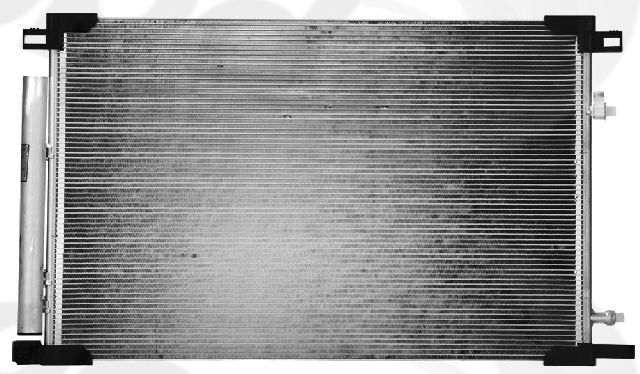
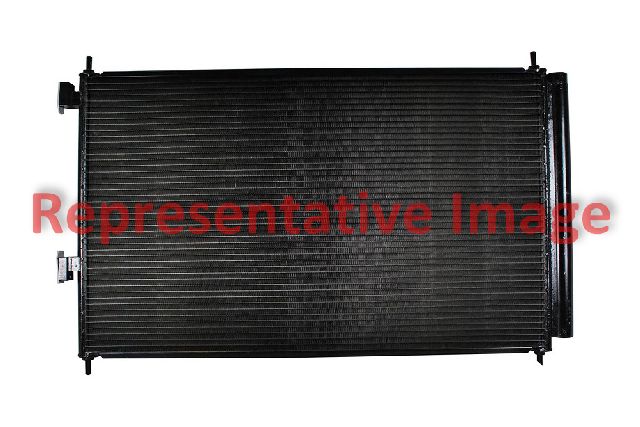
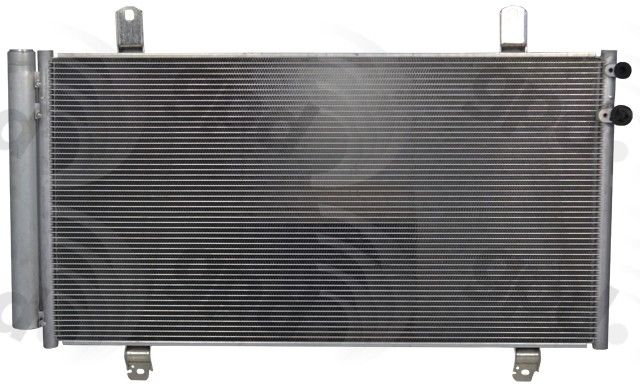
The A/C condenser for the 2013-2018 Toyota Camry is a parallel flow type and often includes an integrated receiver/drier. It is located at the front of the vehicle, mounted in front of the engine's radiator.
We Have This Part in Stock


The information in this article is provided for general reference and educational purposes only. Vehicle specifications, procedures, and part compatibility can vary by production date, trim level, and region. Always consult your vehicle's factory service manual and verify part numbers before purchasing or performing repairs. Safety-critical components such as airbags, seat belts, and braking systems should be installed by a qualified professional.
- Toyota Camry:
- 🎬 Helpful Videos
- 🛍️ Shop This Part
- Is Your Camry's A/C Ready for the Heat?
- Symptoms of a Failing A/C Condenser
- Known Issues for 2012-2013 Models
- Choosing the Right Aftermarket Condenser
- Tier 1: Premium Aftermarket
- Tier 2: Quality Alternatives
- Tier 3: Economy Options
- Pro Tip: Always Replace the Receiver/Drier
- Cost of Replacing a 2013-2018 Camry A/C Condenser
- Frequently Asked Questions (FAQ)
- 🎟️ Get 5% Off