

Ford Ranger Engine Cylinder Head Temperature Sensor Guide (2013-2019)
An essential guide to understanding, diagnosing, and replacing the CHT sensor on your 2019 Ford Ranger.
- The 2019 Ranger uses a CHT sensor that reads metal temperature, not just coolant.
- A bad sensor can cause a Check Engine Light, poor performance, and incorrect temperature gauge readings.
- A P1299 trouble code is serious and means the truck is in a protective limp mode to prevent engine damage.
- Replacement is DIY-feasible but requires accessing the back of the cylinder head.
Understanding the CHT Sensor in Your Ranger
For the 2013-2019 period in the North American market, the Ford Ranger primarily refers to the 2019 model equipped with the 2.3L EcoBoost engine. This engine uses a Cylinder Head Temperature (CHT) sensor, which is a bit different from the Engine Coolant Temperature (ECT) sensors found on many other vehicles. It reads the metal's temperature directly, giving the engine's computer a true reading of how hot things are getting. This is important for performance, fuel economy, and preventing catastrophic engine damage from overheating. When this small sensor fails, it can cause a range of confusing problems.
Symptoms of a Failing CHT Sensor
A bad CHT sensor sends incorrect information to your truck's computer, which can lead to several noticeable issues. Often, the first sign is a Check Engine Light on your dashboard. You might also experience a sudden temperature gauge spike to HOT immediately after starting the truck, followed by the engine going into a 'limp mode' where it won't rev past a certain RPM. Other common symptoms include poor fuel economy, reduced engine power, and the engine taking longer than usual to start.
Overheat Protection Mode (P1299)
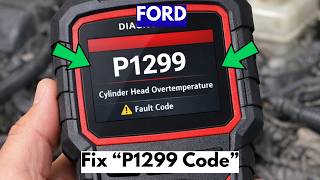
If the computer detects a severe overheat condition from the CHT sensor, it may trigger a code P1299 and activate a 'fail-safe' cooling strategy. This mode is designed to protect your engine from damage by limiting RPMs and sometimes shutting down fuel injectors to certain cylinders. If you see this code, you should not drive the vehicle unless it's to get to a safe location for repair.
🎬 Watch this guide on diagnosing and fixing the P1299 code.Choosing the Right Aftermarket Sensor
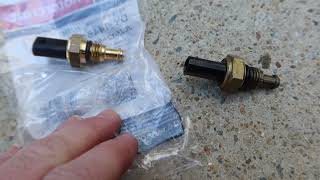
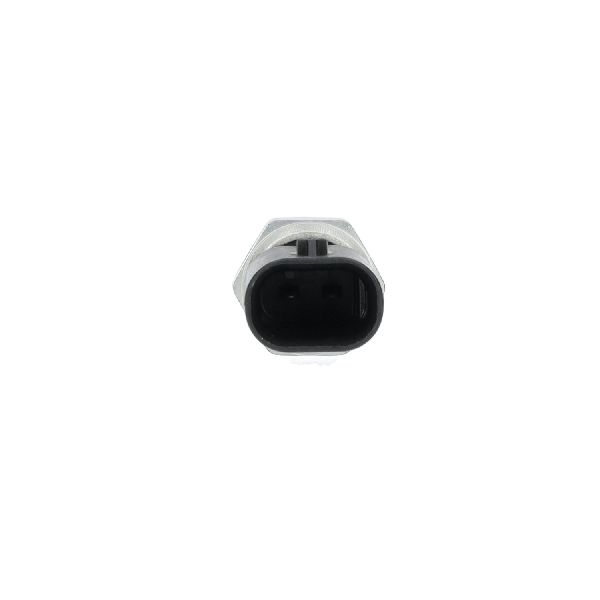
When replacing your CHT sensor, you have the choice between an original equipment (OEM) part from Ford (Motorcraft) and an aftermarket part. For critical engine sensors, many mechanics prefer OEM for guaranteed fit and reliability. However, for a straightforward sensor like the CHT, a quality aftermarket part can offer significant savings without sacrificing performance. Brands like Global Parts are designed to meet or exceed original specifications and provide a cost-effective solution for repair. Given the accessible price point, an aftermarket sensor is a practical choice for many Ranger owners.
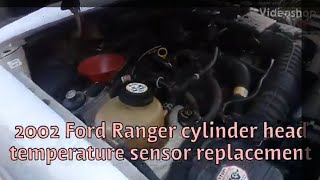
🎬 See a step-by-step walkthrough of the 2.3L sensor repair.Check the Connector First
Before replacing the sensor, always inspect the wiring and connector. A loose connection, corrosion, or a damaged wire can cause the same symptoms as a failed sensor. The connector is located at the back of the cylinder head and can be tricky to reach.
Cost of Replacing a Ford Ranger CHT Sensor
| Part Type | Estimated Cost |
|---|---|
| New OEM (Motorcraft) | $30 - $60 |
| New Aftermarket (Global Parts) | $24.17 |
| Shop Labor | $100 - $200 |
Frequently Asked Questions (FAQ)
Where is the CHT sensor located on the 2019 Ranger?
The CHT sensor on the 2.3L EcoBoost engine is located on the back of the cylinder head, on the driver's side. It can be difficult to see and may be hidden by a heat shield or other components. Access may require removing the air intake hose or other parts for clearance.
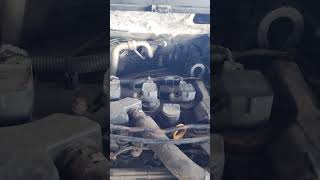
🎬 Watch: Locate your sensor and learn how to bleed the coolant.Can I replace the CHT sensor myself?
Yes, this is a DIY-friendly job for someone with basic to moderate mechanical skills and the right tools. The main challenge is accessing the sensor at the back of the engine. Ensure the engine is completely cool before starting, as you will be working near hot components. A small amount of coolant might leak when the sensor is removed, so be prepared.
Are there any recalls for the Ranger CHT sensor?
No, as of early 2026, there are no specific recalls or widespread Technical Service Bulletins (TSBs) from Ford or the NHTSA for CHT sensor failure on the 2019 Ford Ranger. There is a recall for the engine block heater on some Rangers, but this is an entirely separate component.
What's the difference between a CHT and an ECT sensor?
A CHT (Cylinder Head Temperature) sensor measures the temperature of the engine's metal head, while an ECT (Engine Coolant Temperature) sensor measures the temperature of the coolant fluid itself. Some vehicles, including the Ranger, may have both. The CHT provides a more direct reading of engine temperature and can warn of overheating even if there's a coolant leak.
Helpful Videos

Technical Specifications
The CHT sensor is a thermistor, which is a type of resistor whose resistance changes with temperature. The sensor is installed directly into the cylinder head.
We Have This Part in Stock

The information in this article is provided for general reference and educational purposes only. Vehicle specifications, procedures, and part compatibility can vary by production date, trim level, and region. Always consult your vehicle's factory service manual and verify part numbers before purchasing or performing repairs. Safety-critical components such as airbags, seat belts, and braking systems should be installed by a qualified professional.
- Ford Ranger: