

GMC Yukon Suspension Ride Height Sensor Guide (2013-2020)
If you're seeing a 'Service Suspension System' message on your dash, this guide is for you.
- A 'Service Suspension System' message is the primary indicator of a failed ride height sensor.
- Before replacing the sensor, check the electrical connector for dirt and ensure suspension air lines are secure, as these can cause similar symptoms.
- Standard Ignition is a reputable aftermarket brand that provides a cost-effective alternative to OEM parts for this repair.
- Replacement is a manageable DIY task for those with basic tools, but a calibration with a scan tool may be needed afterward for optimal performance.
Is Your Yukon's Suspension Acting Up?

A faulty suspension ride height sensor is a common reason for the 'Service Suspension System' warning on the 2013-2020 GMC Yukon. When this sensor fails, it sends incorrect information to your truck's computer, leading to a poor ride, a sagging appearance, and potential stress on other suspension parts. Understanding the symptoms and your replacement options can help you get your Yukon riding smoothly again.
Symptoms of a Bad Ride Height Sensor

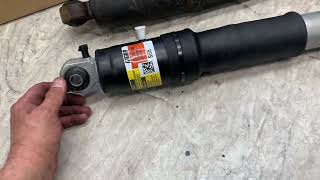
- 'Service Suspension System' Message: 🎬 Watch: How to diagnose the Service Suspension System message. This is the most direct indicator that the system has detected a fault.
- Uneven Stance: One corner of the Yukon may appear lower or higher than the others. This is often described as sagging or leaning.
- Harsh or Bouncy Ride: Without correct height data, the Magnetic Ride Control or auto-leveling system cannot adapt to road conditions, often resulting in a stiff or unstable feel.
- Air Compressor Runs Constantly: The system may try to endlessly correct a perceived height problem, causing the compressor to run nonstop.
Pro Tip: Check This Before You Buy
Before replacing the sensor, inspect the area. A service bulletin for 2015 models noted that the auto-leveling system could become inoperative due to issues with the air shocks themselves. On similar models, issues like air lines not being fully seated or dirt inside the electrical connector have been known to mimic sensor failure. Cleaning the connector and ensuring air lines are secure can sometimes solve the problem without needing a new part.
Choosing a New Aftermarket Sensor

When replacing this part, you have a choice between an original GM part and an aftermarket one. For the 2013-2020 Yukon, the main aftermarket option is from Standard Ignition (Standard Motor Products).
- OEM (GM Genuine/ACDelco): This is the part your Yukon was built with. It guarantees a perfect fit and original performance. However, it is the most expensive option.
- Standard Ignition (Aftermarket): Standard Motor Products (SMP) is a well-known aftermarket manufacturer that has been around for a long time. Forum discussions show mixed but generally positive experiences; some users report their parts work flawlessly for years, while a few have experienced early failures. Often, aftermarket brands like SMP will re-box the original factory part. For a vehicle of this age, a quality aftermarket sensor from a brand like Standard Ignition offers a good balance of price and reliability.
Cost of Replacing a Suspension Ride Height Sensor
| Part Type | Part Cost | Labor Cost (Estimate) | Total Cost (Estimate) |
|---|---|---|---|
| New OEM (GM) | $70 - $150 | $100 - $200 | $170 - $350 |
| New Aftermarket (Standard Ignition) | $153.80 | $100 - $200 | $253.80 - $353.80 |
| Used OEM | $30 - $75 | $100 - $200 | $130 - $275 |
Note: Costs are estimates and can vary based on your location, vehicle configuration, and the specific repair shop. The aftermarket price is based on our inventory.
Frequently Asked Questions

Can I replace just the broken sensor arm?
Sometimes, only the small plastic or metal linkage arm breaks. While some companies sell replacement arms, the sensor itself is sold as a complete assembly with the arm. Given the age of the vehicle and the fact that the sensor's electronics can also fail, it is best to replace the entire unit.
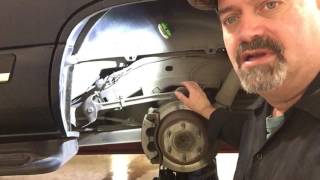
🎬 Watch this walkthrough of a rear air shock and sensor replacement.Do the sensors need to be calibrated after installation?
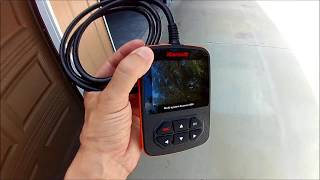
For many GM vehicles, a "Trim Height Learn" or calibration procedure is recommended after replacing a sensor. This requires a professional-grade scan tool. 🎬 See how a scan tool identifies specific suspension fault codes. While the system may function without it, calibration ensures the most accurate leveling and performance.
Are the front and rear sensors the same?
No, the sensors are often position-specific (e.g., Front Right, Rear Left). They have different part numbers and are not interchangeable. Always verify you are ordering the correct sensor for the specific corner of your Yukon.
Were there any recalls for the ride height sensor?
No, there have been no specific recalls issued by the NHTSA for the suspension ride height sensor on the 2013-2020 GMC Yukon. There was a service update for some 2015 models for an inoperative auto-leveling system, but it did not target the sensor itself.
Helpful Videos
Technical Specifications
OEM Part Numbers: 23152101 23152098 23152100 23152099 15128649
Contains one sensor, linkage arm, and mounting bracket. Position-specific (Front/Rear, Left/Right). Connects to the vehicle's suspension control module to provide real-time height data for auto-leveling and/or Magnetic Ride Control systems.
We Have This Part in Stock


The information in this article is provided for general reference and educational purposes only. Vehicle specifications, procedures, and part compatibility can vary by production date, trim level, and region. Always consult your vehicle's factory service manual and verify part numbers before purchasing or performing repairs. Safety-critical components such as airbags, seat belts, and braking systems should be installed by a qualified professional.
- GMC Yukon: