

A Subaru Mechanic's Guide to 2013-2020 XV Crosstrek Brake Pads
Stop the noise and confusion—here’s how to choose the right brake pads for your XV Crosstrek.
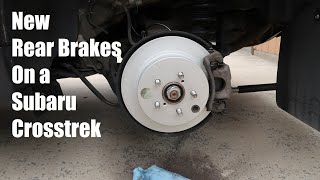
- Expect rear brake pads to wear out faster than on other cars; this is normal for the XV Crosstrek.
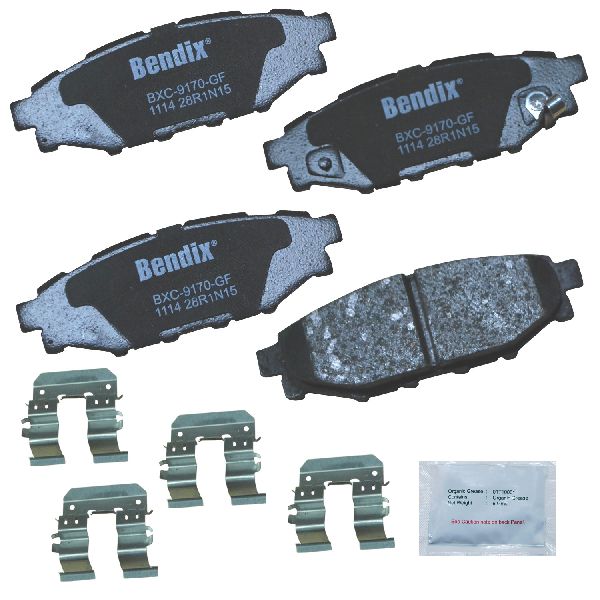
- For most owners, a quality aftermarket ceramic pad from a brand like Bendix or Centric offers the best balance of performance, noise, and value.
- Always replace brake rotors at the same time as the pads for the best performance and to avoid noise issues.
- A known squealing issue can be fixed with an updated front brake pad shim kit, per TSB #06-59-17R.
Is it Time for New Brake Pads on Your XV?


Brake pads don't last forever. On a 2013-2020 Subaru XV Crosstrek, they typically last between 30,000 and 70,000 miles. However, your mileage will vary. Stop-and-go city driving wears pads faster than open highway cruising. A common quirk on these Subarus is that the rear brake pads often wear out faster than the fronts. This can be due to the All-Wheel Drive system and electronic driver aids like EyeSight, which use the rear brakes to help stabilize the vehicle.
Symptoms of Worn Brake Pads
Your Crosstrek will tell you when its pads are getting low. Look out for these signs:
- Squealing or Screeching: A high-pitched noise when you apply the brakes is the most common sign. It's caused by a small metal tab called a wear indicator hitting the brake rotor.
- Grinding Noise: A loud, harsh grinding or growling means the pads are completely worn away. This is metal-on-metal contact, which damages your rotors and is a serious safety issue. Stop driving if you hear this.
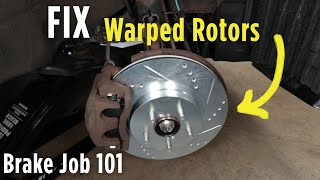
- Vibration or Pulsing: If you feel a pulsing in the brake pedal or steering wheel when braking, your brake rotors may be warped, often from heat caused by worn pads.
- Pulling to One Side: If the car pulls left or right when you brake, it could mean one brake caliper or pad set is not working correctly.
Known Issue: Brake Squeal & Official Fix
Some 2013-2020 XV Crosstreks can develop a squeaking or squealing noise from the front brakes even when the pads aren't worn out. Subaru released a Technical Service Bulletin (TSB #06-59-17R) acknowledging this. The fix involves installing an updated front brake pad shim kit, which helps dampen vibrations. If your brakes are noisy but have plenty of life left, ask your mechanic about this specific TSB.
Choosing the Right Aftermarket Brake Pads

You don't have to buy brake pads from the Subaru dealer. Aftermarket pads offer a wide range of options that can be as good as, or even better than, the original parts. They generally fall into three categories based on your needs and budget.
| Brand Tier | Best For | Our Available Brands | Description |
|---|---|---|---|
| Economy | Basic transportation, budget-focused repairs | Total Stopping Solutions | These are the most affordable pads. They will stop your car safely but may not last as long or be as quiet as more expensive options. They meet basic requirements but offer no performance benefits. |
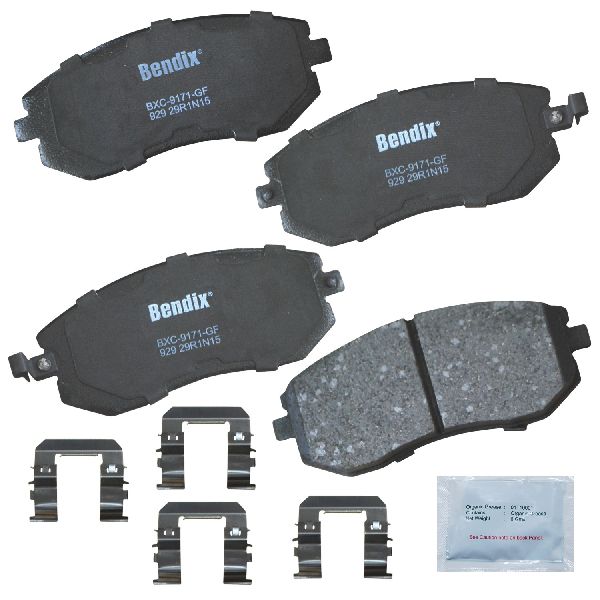
| Daily Driver (OEM-Quality) | Most owners, daily commuting | Bendix, Centric | This is the sweet spot for most Crosstrek owners. Brands like Bendix and Centric are known for making reliable, quiet, and low-dust pads that perform like the original factory parts. They offer excellent quality and durability for everyday use. |
| Performance / Heavy-Duty | Spirited driving, towing, or mountain roads | StopTech, Pagid | For those who want more bite and better resistance to brake fade (when brakes lose power after repeated hard use), performance pads are the answer. StopTech, the performance division of Centric, is a popular upgrade for better stopping power. These pads can sometimes create more dust or noise than daily driver pads. |
Ceramic vs. Semi-Metallic
You'll see pads listed as "ceramic" or "semi-metallic." For a daily-driven Crosstrek, ceramic pads are usually the best choice. They are known for being very quiet, producing minimal brake dust, and offering a long life. Semi-metallic pads offer better performance in extreme heat and provide a firmer pedal feel, but are often noisier and dustier.
Frequently Asked Questions (FAQ)

Do I have to replace my rotors with my brake pads?
It is highly recommended. New pads need a smooth, flat surface to work properly. Putting new pads on old, grooved, or warped rotors will cause noise, poor stopping power, and will wear out your new pads much faster. For the best and safest results, always replace pads and rotors together.
Why are my rear brakes wearing out so fast?
It's a common trait on the XV Crosstrek. The car's computer uses the rear brakes more than you might think to manage traction and stability, especially with the AWD system. This causes them to wear at a similar rate, or sometimes even faster, than the front brakes. This is considered normal for this vehicle.
Is there a recall on the brake pads for my Crosstrek?
There are no recalls for the brake pads themselves. However, there is a major recall for the brake light switch on 2013-2017 models. A faulty switch can prevent your brake lights from working. You can check with a Subaru dealer or on the NHTSA website to see if your vehicle is affected.
Can I replace the brake pads myself?
Yes, if you have the right tools and some mechanical experience. The job requires safely lifting the vehicle, removing the wheels and brake calipers, and using a tool to compress the caliper piston. If you are not comfortable, it's a routine and relatively inexpensive job for any qualified mechanic.
Helpful Videos
Technical Specifications
OEM Part Numbers: 26696FJ000
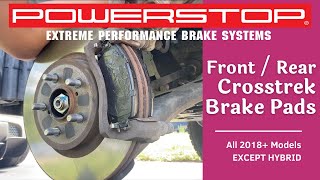
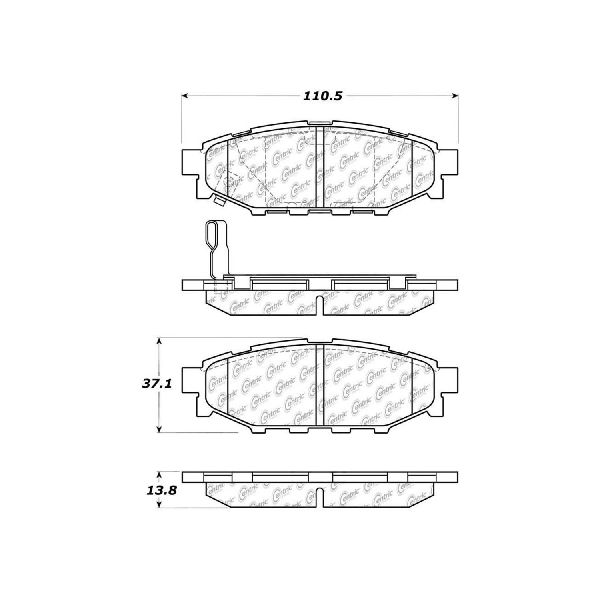
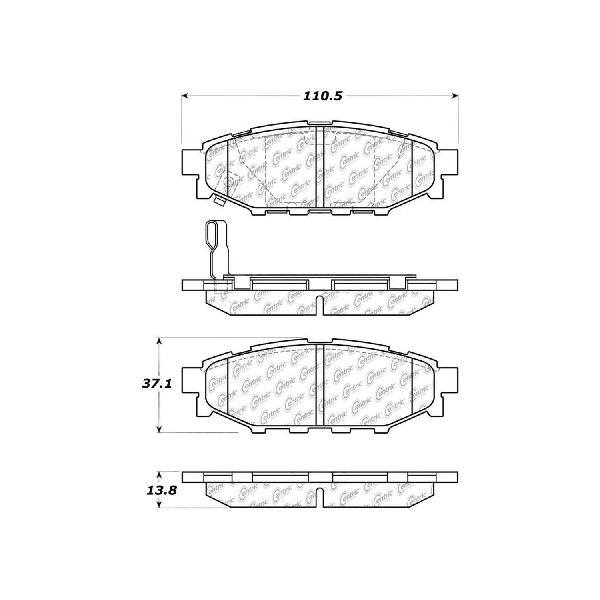
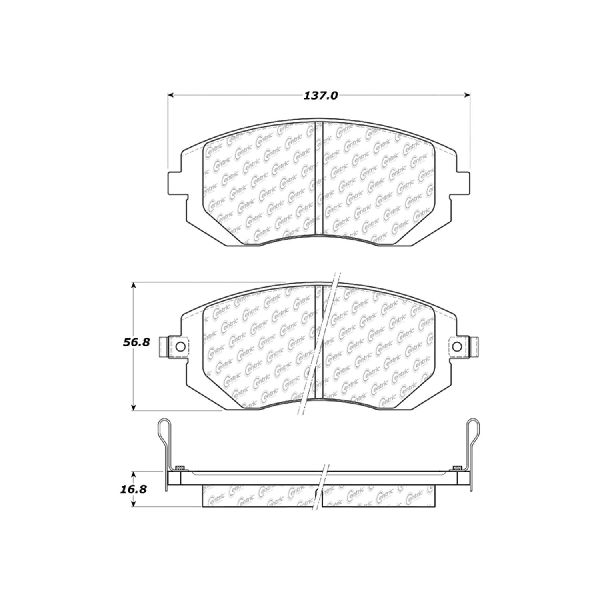
The 2013-2020 Subaru XV Crosstrek uses disc brakes on all four wheels. Replacement involves removing the single-piston sliding calipers, which are typically held on by 14mm bolts. The front and rear brake pads are different parts and are not interchangeable.
We Have This Part in Stock


The information in this article is provided for general reference and educational purposes only. Vehicle specifications, procedures, and part compatibility can vary by production date, trim level, and region. Always consult your vehicle's factory service manual and verify part numbers before purchasing or performing repairs. Safety-critical components such as airbags, seat belts, and braking systems should be installed by a qualified professional.
- Subaru XV: