

Volkswagen Jetta Manifold Absolute Pressure (MAP) Sensor Guide (2013-2023)
Understanding why your Jetta is running rough and how to choose the right MAP sensor to fix it.
- A failing MAP sensor often triggers a P0106 code, but check for VW Technical Service Bulletins (TSBs) about a software update before replacing the part.
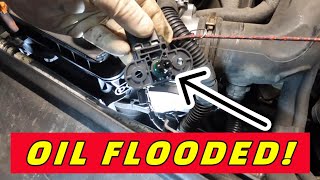
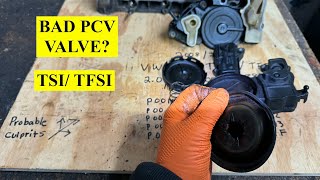
- Oil on the sensor is a common problem, usually caused by a bad PCV valve. The PCV system should be checked to prevent repeat failure.
- Bosch is an OEM supplier for VW; choosing a Bosch aftermarket sensor is a reliable way to get dealer quality without the high price.
- The sensor location and replacement difficulty vary by engine (1.4T, 2.5L, etc.), so confirm the procedure for your specific Jetta.
Is Your Jetta Experiencing MAP Sensor Failure?

A failing Manifold Absolute Pressure (MAP) sensor can cause a variety of frustrating engine problems. Because it provides vital data to the engine's computer, any incorrect signals can throw off the whole system. Jetta owners often report a few key symptoms when this sensor starts to go bad.
Common Symptoms of a Bad MAP Sensor:
- Check Engine Light (CEL): This is often the first sign. A code scanner will likely show a P0106 code.
- Poor Engine Performance: Your Jetta might feel sluggish, hesitate when you accelerate, or lack its usual power.
- Rough Idle: The engine may shake or struggle to maintain a steady RPM when stopped.
- Reduced Fuel Economy: If the computer gets bad information, it may inject too much fuel, causing you to visit the gas station more often.
- Stalling: In more serious cases, the engine may stall when coming to a stop or during acceleration.
- Black Smoke: An overly rich fuel mixture caused by a bad sensor can result in black smoke from the exhaust.
A Note on the P0106 Code and TSBs
Before you buy a new sensor, be aware that Volkswagen has issued Technical Service Bulletins (TSBs) for the common P0106 code. These bulletins suggest the check engine light may be triggered because the engine computer's software is too sensitive. The official recommendation is to have a dealer perform a software update before replacing any parts. Additionally, a very common cause of MAP sensor failure on these engines is oil contamination from a failing PCV valve. If you find oil on your old sensor, the PCV system likely needs service to prevent the new sensor from failing too.
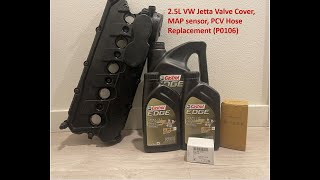
🎬 See how to replace the MAP sensor and PCV hose together.Choosing the Right Aftermarket MAP Sensor

When it comes to sensors for a German car like your Jetta, quality matters. A cheap, low-quality sensor can provide inaccurate readings, leading to the same problems you were trying to fix. Here’s a breakdown of the brands available.
Tier 1: OEM-Equivalent
These brands are known to manufacture the original parts for Volkswagen. Buying from them is like getting the dealer part without the dealer box or price.
- Bosch: Bosch is a primary original equipment manufacturer for Volkswagen. For many Jetta models, the Bosch aftermarket sensor is the exact same part that was installed at the factory. This is the safest and most recommended choice for reliability and performance.
- Delphi: Another highly respected OEM supplier, Delphi also produces top-quality sensors that meet or exceed factory specifications.
Tier 2: Reputable Aftermarket
These brands are well-known in the aftermarket and generally produce reliable parts that offer a good balance of price and quality.
- NGK: While famous for spark plugs, NGK's sensor line is also well-regarded.
- Standard Ignition (SMP): A long-standing brand that offers a wide range of quality aftermarket components.
- Hella: A German company with a strong reputation for electronics and sensors.
Tier 3: Economy Brands
This category includes other brands that focus on providing a lower-cost alternative. While they may be functional, their long-term reliability and the precision of their readings may not match the higher-tier options. For a critical sensor like the MAP, it's generally worth investing in a Tier 1 or Tier 2 brand to avoid future headaches.
Pro Tip: Match the Part Number
Jettas in this year range used several different engines (1.4T, 1.8T, 2.0L, 2.0T, 2.5L). The MAP sensor can vary between them. Always verify the OEM part number from your old sensor or look it up by your vehicle's VIN to ensure you order the correct part. Common part numbers include 03C906051, 03K906051, and 04E906051.
Cost of Replacing a Jetta MAP Sensor

The cost can be broken down into the part itself and the labor to install it. It's a job many DIYers can tackle, but shop labor is also relatively affordable.
| Item | Estimated Cost |
|---|---|
| New Aftermarket Part | $31 - $156 |
| New OEM Part (Dealer) | $145 - $225 |
| Shop Labor | $75 - $150 |
| Total Professional Replacement | $106 - $381 |
Frequently Asked Questions
Can I just clean my old MAP sensor?
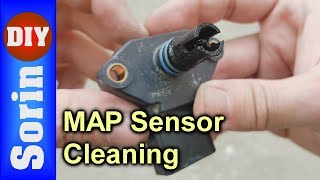
Many times, a Jetta MAP sensor will fail because it is covered in oil from the PCV system. You can try cleaning it with a dedicated mass air flow or electronics cleaner. However, this is often a temporary fix. 🎬 Watch a guide on how to clean or replace the sensor. If the sensor is electronically faulty or if the underlying oil issue isn't resolved, the problem will return.
Where is the MAP sensor located on my Jetta?
The location varies by engine. On the 2.5L engine, it is located on the lower part of the intake manifold and can be difficult to reach without removing the throttle body. 🎬 Watch this walkthrough for replacing the sensor on a 2.5L engine. On turbocharged engines like the 1.4T, there is often one sensor on the charge pipe near the front of the engine that is very easy to access, and sometimes a second one elsewhere. Always search for a guide specific to your engine type.
Do I need to do a throttle body relearn after replacement?
If you remove and clean the throttle body to access the MAP sensor (common on the 2.5L), a throttle body alignment or relearn procedure may be necessary. This often requires a specialized scan tool like VCDS. If you only replace the sensor without touching the throttle body, this is not usually required.
What's the difference between a MAP and a MAF sensor?
Your Jetta has both. The MAP (Manifold Absolute Pressure) sensor measures engine load based on pressure/vacuum. The MAF (Mass Air Flow) sensor measures the volume and density of the air entering the engine. Both work together to help the ECU deliver the right amount of fuel. A problem with either can cause similar symptoms.
Helpful Videos
Technical Specifications
OEM Part Numbers: 03C906051 03C906051F 03K906051 04E906051 03G906051M
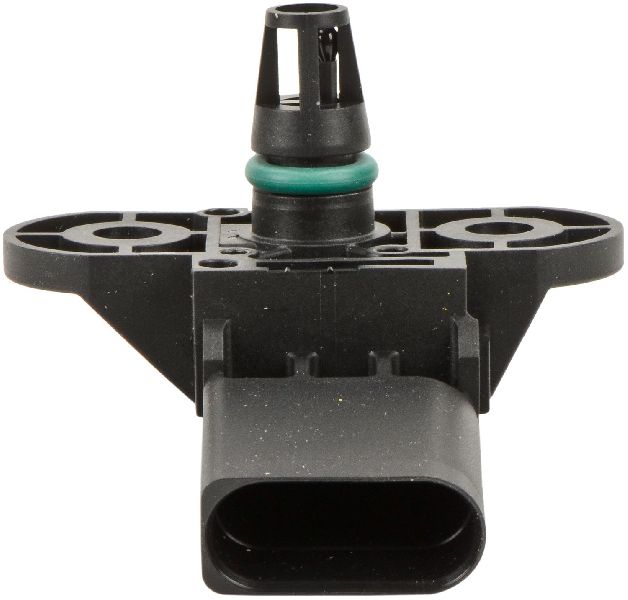
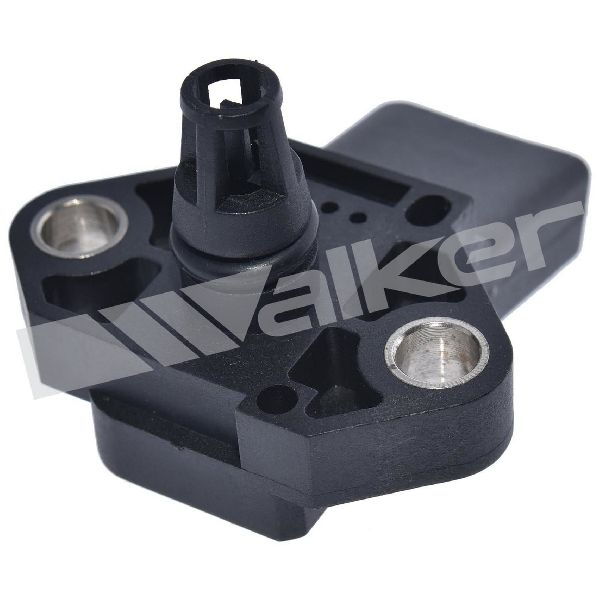
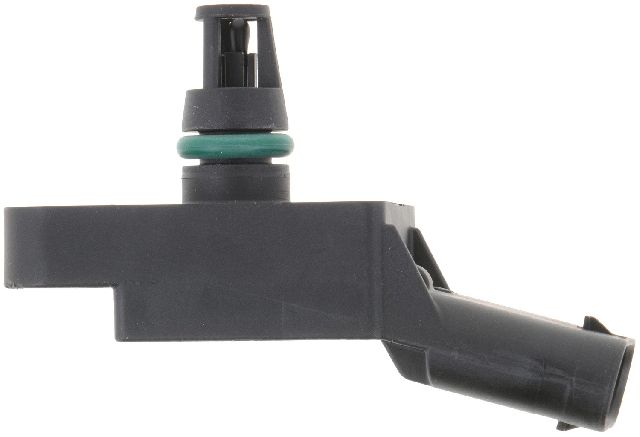
The MAP sensor for the VW Jetta is typically a 3-pin or 4-pin electronic sensor that reads pressure in the intake manifold. For turbocharged models, it functions as a boost pressure sensor, often reading up to 4-bar.
We Have This Part in Stock


The information in this article is provided for general reference and educational purposes only. Vehicle specifications, procedures, and part compatibility can vary by production date, trim level, and region. Always consult your vehicle's factory service manual and verify part numbers before purchasing or performing repairs. Safety-critical components such as airbags, seat belts, and braking systems should be installed by a qualified professional.
- Volkswagen Jetta:
- 🎬 Helpful Videos
- 🛍️ Shop This Part
- Is Your Jetta Experiencing MAP Sensor Failure?
- Common Symptoms of a Bad MAP Sensor:
- A Note on the P0106 Code and TSBs
- Choosing the Right Aftermarket MAP Sensor
- Tier 1: OEM-Equivalent
- Tier 2: Reputable Aftermarket
- Tier 3: Economy Brands
- Pro Tip: Match the Part Number
- Cost of Replacing a Jetta MAP Sensor
- Frequently Asked Questions
- 🎟️ Get 5% Off