

Honda Civic Manifold Absolute Pressure (MAP) Sensor Guide: 2013-2024
Experiencing poor fuel economy or a rough idle in your Civic? Your MAP sensor might be the culprit.
- A bad MAP sensor commonly causes a Check Engine Light with codes P0106, P0107, or P0108.
- Replacement is very DIY-friendly, often requiring only one bolt and taking less than 30 minutes.
- For reliability, choose an OEM-equivalent brand like Denso or Bosch over cheaper, unbranded options.
- Before replacing, try cleaning the sensor and the throttle body, as this can sometimes resolve the issue.
Is Your Civic's MAP Sensor Failing?

A bad MAP sensor can cause problems that seem serious but are often straightforward to fix. Because this sensor is key to managing the air-fuel mixture, a failure can throw off engine performance. You might notice one or more symptoms that gradually get worse.
Key Symptoms of a Bad MAP Sensor:
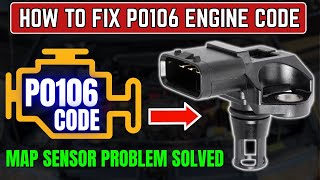
- Check Engine Light: This is often the first sign. The ECU will log fault codes like P0106, P0107, or P0108. 🎬 Watch: Step-by-step guide to fixing the P0106 error code
- Poor Fuel Economy: If the sensor sends an incorrect signal, the ECU might inject too much fuel, causing you to visit the gas station more often.
- Rough Idle: Your Civic might shake or vibrate more than usual when stopped.
- Hesitation or Lack of Power: When you press the gas, the car may feel sluggish or hesitate before accelerating.
- Black Smoke from Exhaust: This is a sign of a rich fuel mixture, where too much gasoline is being burned.
Known Issues & Recalls
As of early 2026, there are no specific recalls or technical service bulletins (TSBs) from Honda or the NHTSA directly concerning the MAP sensor for 2013-2024 Honda Civics. However, some owners report that a dirty throttle body can sometimes trigger MAP sensor codes, so cleaning it may be a worthwhile first step.
Choosing the Right Aftermarket MAP Sensor

When replacing the MAP sensor, you don't have to buy the expensive OEM part from a dealer. The aftermarket offers a wide range of quality options. Here’s how to choose:
Tier 1: OEM-Equivalent Brands
These brands are often the original equipment manufacturers for Honda. They offer the best quality and reliability outside of a Honda-branded box.
- Denso: Denso is a primary OEM supplier for Honda. Choosing a Denso sensor is as close to original quality as you can get and is highly recommended by owners.
- Bosch: Another top-tier manufacturer with a strong reputation for producing reliable sensors that meet or exceed OEM specifications.
Tier 2: Quality Aftermarket
These brands are well-known in the industry for producing dependable parts that offer a great balance of price and performance.
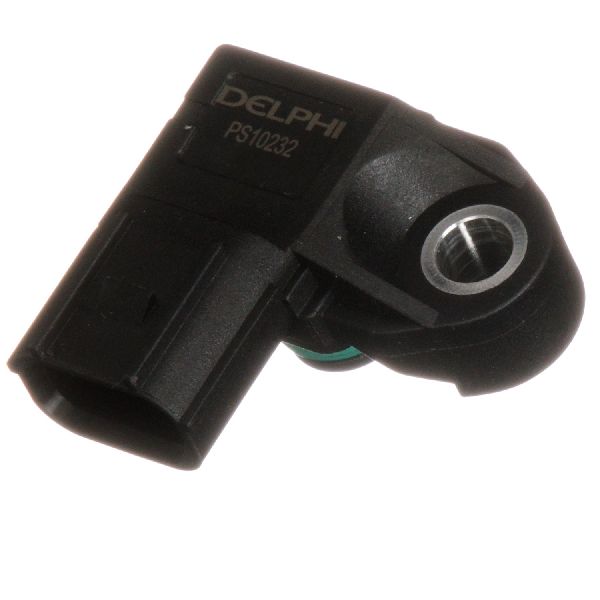
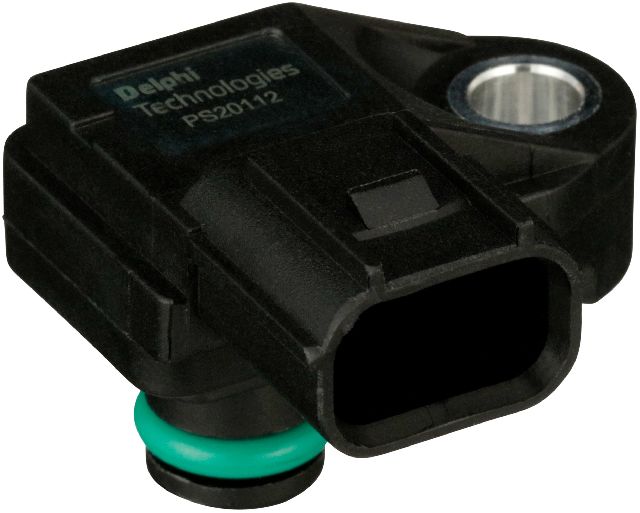
- Delphi: A major OEM supplier for many car brands, Delphi parts are a trusted choice.
- NGK (NTK): Known for their ignition components, NTK (the sensor division of NGK) produces high-quality sensors.
- Standard Ignition (SMP): A long-standing brand in the aftermarket, offering parts that are a reliable alternative to OEM.
- Walker Products: A reputable manufacturer specializing in fuel and engine management components.
Tier 3: Economy & Specialty Brands
These brands can work for a tight budget, but quality can be inconsistent. Skunk2 is a special case, focused on high-performance applications.
- Hella, Global Parts, Holstein, Spectra: These brands offer a budget-friendly solution. However, forum discussions often warn that cheap sensors can fail quickly or be dead on arrival, leading to more frustration.
- Skunk2 Racing: This brand is for modified cars. Their sensors are designed for engines with higher boost levels from a turbocharger and require special tuning. Only choose this if your Civic is modified and tuned for it.
Pro Tip: Many forum users and mechanics strongly advise against the cheapest "no-name" sensors found on sites like eBay or Amazon. While the price is tempting, they often fail prematurely. Sticking with a recognized brand like Denso or Bosch can save you from doing the job twice.
Cost of Replacing a Honda Civic MAP Sensor
The cost can vary, but it's generally an affordable repair, especially if you do it yourself.
| Part / Service | Estimated Cost |
|---|---|
| New Aftermarket MAP Sensor | $20 - $105 |
| New OEM Honda MAP Sensor | $75 - $135 |
| Shop Labor | $45 - $70 |
| Total Professional Replacement | $120 - $205 |
Frequently Asked Questions

Where is the MAP sensor on my 2013-2024 Honda Civic?
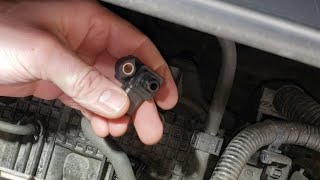
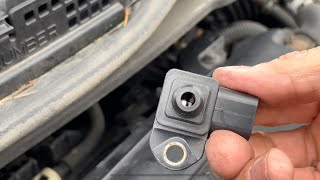
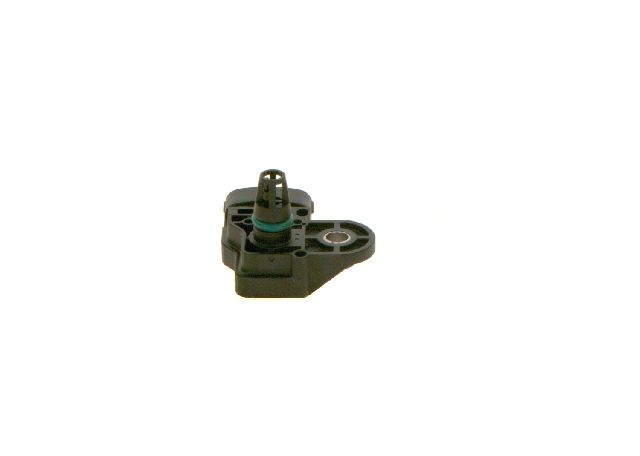
The MAP sensor is typically very easy to find. It's usually mounted directly on the intake manifold or throttle body, near the top of the engine. On many 1.5L turbo models, there are two MAP sensors—one on the intake manifold and one on the intercooler piping. Follow the large air intake tube from the air filter box to the engine, and you will see a small, black plastic sensor held in by one or two bolts with an electrical connector.
Can I clean my MAP sensor instead of replacing it?
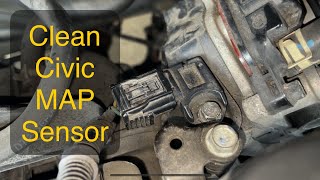
Sometimes, yes. Oil vapor and carbon can coat the sensor, causing incorrect readings. You can try cleaning it with a dedicated Mass Airflow (MAF) or electronics cleaner. Do not touch the internal sensor element. If cleaning doesn't solve the problem, a replacement is necessary.
🎬 Watch: How to clean the MAP sensor on 9th-gen CivicsIs replacing the MAP sensor a DIY job?
Absolutely. For most Civic owners, this is one of the easiest sensor replacements. It usually requires only basic hand tools (a ratchet with an 8mm or 10mm socket) and takes less than 30 minutes. 🎬 See this walkthrough for replacing the sensor on newer Civics Just disconnect the electrical plug, remove one bolt, and gently pull the old sensor out. Install the new one in reverse order.
Do I need to reset the computer after replacing the MAP sensor?
It's a good practice. After replacing the sensor, you can clear the Check Engine Light with a basic OBD2 scanner. Alternatively, you can disconnect the negative battery terminal for about 15 minutes to reset the ECU. This allows the computer to relearn its parameters with the new, accurate sensor readings.
Helpful Videos

Technical Specifications
OEM Part Numbers: 37830-RPY-G01 37830-RPY-G12 37830-5AA-A02 37830-RNA-A01 37830-6Y0-J01
The MAP sensor on a Honda Civic is typically a 3-wire sensor that receives a 5-volt reference from the ECU, a ground, and sends back a variable voltage signal based on manifold pressure. Some turbocharged models use multiple MAP sensors, including 4-bar sensors for performance applications that require tuning.
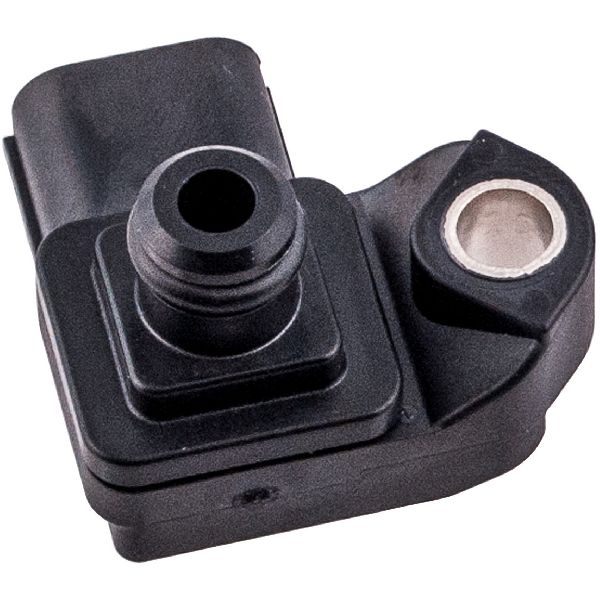
We Have This Part in Stock


The information in this article is provided for general reference and educational purposes only. Vehicle specifications, procedures, and part compatibility can vary by production date, trim level, and region. Always consult your vehicle's factory service manual and verify part numbers before purchasing or performing repairs. Safety-critical components such as airbags, seat belts, and braking systems should be installed by a qualified professional.
- Honda Civic:
- 🎬 Helpful Videos
- 🛍️ Shop This Part
- Is Your Civic's MAP Sensor Failing?
- Key Symptoms of a Bad MAP Sensor:
- Known Issues & Recalls
- Choosing the Right Aftermarket MAP Sensor
- Tier 1: OEM-Equivalent Brands
- Tier 2: Quality Aftermarket
- Tier 3: Economy & Specialty Brands
- Cost of Replacing a Honda Civic MAP Sensor
- Frequently Asked Questions
- 🎟️ Get 5% Off