

2014-2015 Jeep Cherokee Engine Oil Temperature Sensor: A Complete Guide
Is your Jeep Cherokee acting up? It could be this small but critical sensor.
- On the 3.2L V6, the sensor is extremely difficult to access, requiring removal of the intake manifolds.
- Due to high labor costs on the V6, it is highly recommended to replace the entire oil cooler assembly and the oil pressure sensor at the same time.
- Common fault codes are P0196, P0197, and P0198.
- Quality aftermarket brands like Standard Ignition, Holstein, and Walker Products offer a cost-effective alternative to OEM parts.
Is a Bad Oil Temp Sensor Causing Your Jeep's Problems?

A failing engine oil temperature sensor on a 2014-2015 Jeep Cherokee can cause confusing symptoms. Because the engine's computer relies on this sensor's data, a bad signal can lead to a check engine light and incorrect gauge readings. Understanding the signs can help you decide what to do next.
Symptoms of a Failing Sensor
- Check Engine Light: This is the most common sign. A scan tool will show codes like P0196, P0197, or P0198, which point to a problem with the sensor's circuit.
- Erratic Temperature Gauge: The oil temperature gauge on your dashboard might swing from cold to hot for no reason, or it might not move at all. You might see it pegged at max temperature one moment, then read normally after restarting the engine.
- False Overheating Warnings: The dashboard might warn you that the oil is too hot even when the engine is cold. This can be related to code P0298.
A Special Note on the 3.2L V6 Engine
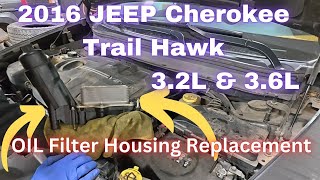
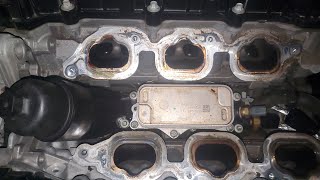
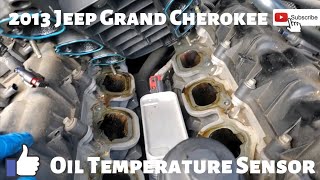
For Cherokees with the 3.2L V6 (a smaller version of the 3.6L Pentastar), the oil temperature sensor is located on the oil filter housing assembly. This assembly sits deep in the valley of the engine, between the cylinder heads. Replacing it is a labor-intensive job that requires removing the upper and lower intake manifolds. This is not a simple sensor swap and can take several hours.
Choosing the Right Aftermarket Sensor

When it's time for a replacement, you have a few options. While the OEM Mopar part is the benchmark, quality aftermarket brands offer a reliable and more affordable choice.
- OEM (Mopar): The original part (part number 5149077AB) is what your Jeep came with from the factory. It's a guaranteed fit but is the most expensive option.
- Premium Aftermarket (Standard Ignition, Holstein, Walker Products): Brands like Standard Ignition (Standard Motor Products), Holstein, and Walker Products are well-known in the aftermarket. They produce parts designed to meet or exceed original specifications. They offer a good balance of quality and value, making them a popular choice for repairs.
| Part Type | Estimated Cost |
|---|---|
| New OEM (Mopar) | $47 - $69 |
| New Aftermarket | $19 - $23 |
| Shop Labor (3.2L V6) | $350 - $500 |
| Shop Labor (2.4L I4) | $100 - $180 |
Pro Tip: Replace More Than Just the Sensor
If you have the 3.2L V6, the labor to get to the sensor is the biggest part of the cost. While the intake is off, it is highly recommended to replace the entire oil filter housing assembly, preferably with an upgraded aluminum version. The original plastic housings are known to crack and leak over time. At a minimum, you should also replace the oil pressure sensor, which is located right next to the temperature sensor, to avoid paying for the same difficult labor twice.
Frequently Asked Questions

Where is the oil temperature sensor located on my 2014-2015 Cherokee?
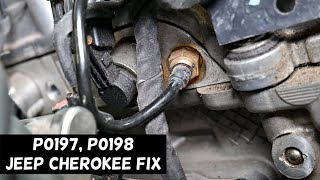
On the 3.2L V6 engine, the sensor is mounted on the back of the oil cooler and filter housing, underneath the intake manifolds in the 'V' of the engine. On the 2.4L 4-cylinder engine, the sensor is located on the back of the engine, accessible from the passenger side wheel well.
Are there any recalls for this sensor?
No, there are no specific recalls from the National Highway Traffic Safety Administration (NHTSA) for the engine oil temperature sensor on the 2014-2015 Jeep Cherokee. There have been other recalls for this model year, including for the power liftgate module and airbag software, but none relate to this sensor.
Should I replace the oil pressure sensor at the same time?
Yes, especially on the 3.2L V6. The oil pressure sensor is located right next to the temperature sensor on the same housing. Given the difficult access and high labor cost, it is highly recommended to replace both sensors at the same time to prevent having to do the job all over again if the other sensor fails. A TSB (18-034-14 REV. A) was issued for the oil pressure sensor on 2014 models, making replacement a wise preventative measure.
Can I replace this sensor myself?
For the 2.4L engine, a DIY replacement is feasible for someone with moderate mechanical skill. For the 3.2L V6, it is a very difficult and time-consuming job that requires removing the upper and lower intake manifolds. This is best left to an experienced mechanic unless you are a very confident DIYer.
Helpful Videos

Technical Specifications
OEM Part Numbers: 5149077AB 5149096AB
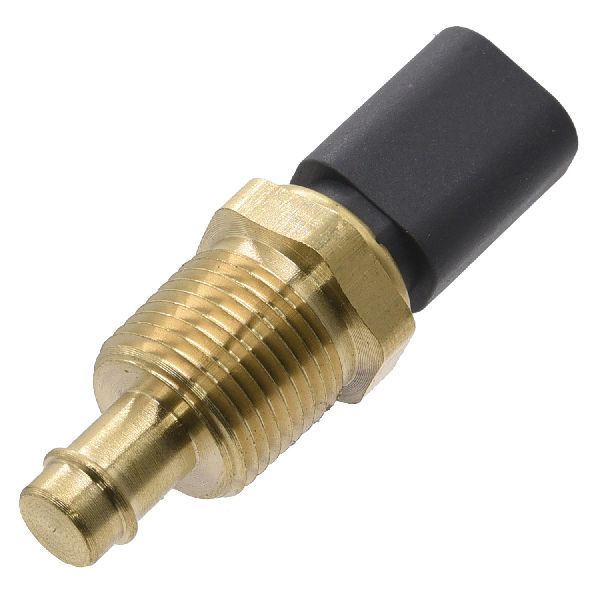
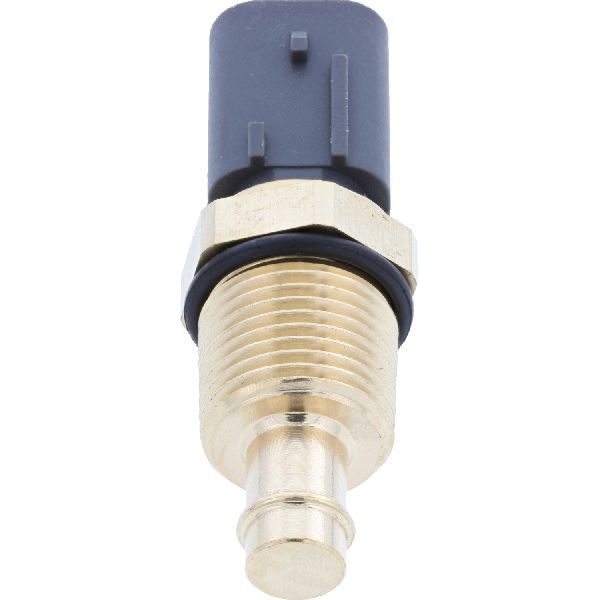
The Engine Oil Temperature Sensor is a thermistor, meaning its electrical resistance changes with temperature. This change is read by the PCM to determine oil temperature. On the 3.2L V6, it is located on the oil filter/cooler housing. On the 2.4L, it is on the rear of the engine block.
We Have This Part in Stock


The information in this article is provided for general reference and educational purposes only. Vehicle specifications, procedures, and part compatibility can vary by production date, trim level, and region. Always consult your vehicle's factory service manual and verify part numbers before purchasing or performing repairs. Safety-critical components such as airbags, seat belts, and braking systems should be installed by a qualified professional.
- Jeep Cherokee: