

Cadillac ELR 2014-2016 Oxygen Sensor: A Guide to Replacement
Understanding how to diagnose and choose the right oxygen sensor for your ELR's unique range-extender engine.
- The ELR has two O2 sensors: one upstream (for fuel mixture) and one downstream (for emissions). They are not interchangeable.
- A P0420 trouble code is a common symptom but can also be caused by an exhaust leak or a failing catalytic converter, not just the sensor.
- For best results and to avoid repeat repairs, use OEM (ACDelco) or premium OEM-equivalent brands like Denso, Bosch, or NGK.
- Replacement is DIY-friendly, but sensors can be very tight; use penetrating oil and the correct O2 sensor socket.
Signs of a Failing Oxygen Sensor in Your ELR
While your ELR runs primarily on electricity, the gasoline engine and its components are critical for long-range travel. When an oxygen sensor begins to fail, you will notice symptoms when the gas engine is active. The most common sign is an illuminated Check Engine Light on your dashboard. Other symptoms include a noticeable drop in fuel economy during gas-powered driving, a rough or unstable idle, and potential hesitation from the engine. A faulty sensor can also cause your vehicle to fail an emissions inspection.
Common Trouble Codes
A diagnostic scanner can read specific codes related to a failing oxygen sensor. The most frequent code is P0420 (Catalyst System Efficiency Below Threshold), which often points to a failing downstream sensor but can also indicate a bad catalytic converter or an exhaust leak. Other codes like P0137 (O2 Sensor Circuit Low Voltage Bank 1 Sensor 2), P2096, and P2097 have also been associated with sensor issues on these vehicles.
Choosing the Right Aftermarket Oxygen Sensor
When shopping for a replacement, you'll find several brands available. They generally fall into three quality tiers. For a specialized vehicle like the ELR, choosing a quality part is important to avoid persistent Check Engine Lights.
Tier 1: OEM & Premium OEM-Equivalent Brands
These brands are either the original equipment manufacturer or are known for producing parts that meet or exceed OEM standards. They are the most reliable choice for a direct, trouble-free replacement.
- ACDelco: As GM's official parts brand, ACDelco is the true Original Equipment (OE) supplier for your Cadillac. Choosing ACDelco guarantees a perfect fit and correct electronic communication with your car's computer.
- Denso: A highly respected Japanese manufacturer that is often the OEM for many car brands. Denso sensors are known for their reliability and are considered an excellent alternative to ACDelco.
- Bosch: A German engineering company with a strong reputation for producing high-quality automotive sensors that often match OEM performance.
- NGK/NTK: While famous for spark plugs, NGK (and its sensor division, NTK) is also a top-tier producer of oxygen sensors trusted by professionals.
- Delphi: Another major OEM supplier that provides reliable, high-quality sensors for many GM vehicles.
Tier 2: Standard Aftermarket Brands
These brands offer a good balance of value and quality. They are a dependable choice for many repairs.
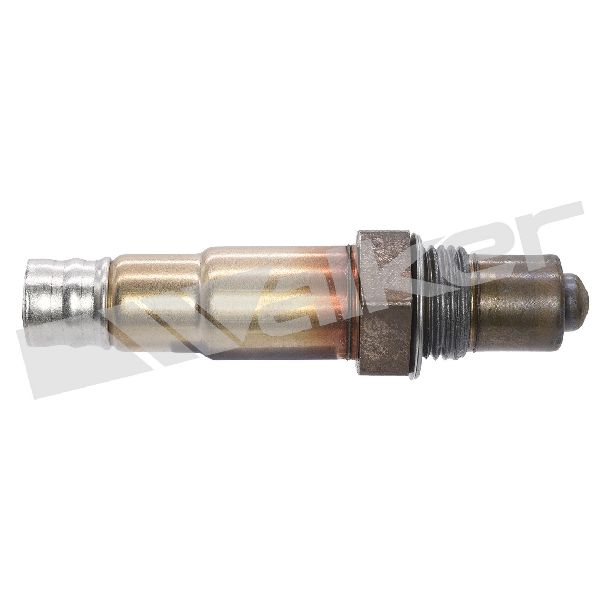
- Walker Products: A well-known aftermarket manufacturer specializing in fuel and emission control components.
- Spectra: Offers a wide range of aftermarket parts that provide a cost-effective alternative to premium brands.
Tier 3: Economy Brands
These brands provide the most budget-friendly options, but may have a higher risk of premature failure or compatibility issues.
- DriveWire: A value-focused brand that offers basic replacement parts at a low cost.
Upstream vs. Downstream Sensors
The upstream (Bank 1, Sensor 1) and downstream (Bank 1, Sensor 2) sensors are not interchangeable. They have different part numbers and sometimes different wire harness lengths or connectors. Always verify you are purchasing the correct sensor for the specific position you are replacing.
Cost of Replacing a Cadillac ELR Oxygen Sensor
The cost can vary depending on the brand you choose and whether you perform the labor yourself. The job is accessible to a DIY mechanic with the right tools.
| Part Type | Estimated Cost |
|---|---|
| New OEM (ACDelco) | $75 - $155 per sensor |
| New Aftermarket | $39 - $95 per sensor |
| Shop Labor | $50 - $100 per sensor |
Frequently Asked Questions
How many oxygen sensors does the 2014-2016 Cadillac ELR have?
The Cadillac ELR has a single exhaust system for its 1.4L engine, which uses two oxygen sensors. One is located upstream (before the catalytic converter) and one is located downstream (after the catalytic converter).
Can I replace just one oxygen sensor?
Yes, you can replace only the failed sensor. However, oxygen sensors age over time. If your vehicle has high mileage, it's sometimes recommended to replace them in pairs (both upstream and downstream) to ensure accurate readings across the system, but it is not required.
Is it difficult to replace an oxygen sensor myself?
For a DIYer with the right tools, it's a manageable job. The main tool needed is a special oxygen sensor socket or a 22mm (7/8") wrench. The biggest challenge is that the sensors can become seized in the exhaust pipe due to rust and heat cycles. Using penetrating oil and allowing it to soak is highly recommended before attempting removal.
Are there any recalls for the ELR oxygen sensor?
No, there are no specific recalls for the oxygen sensors on the 2014-2016 Cadillac ELR. There was a GM technical service bulletin (TSB) for other vehicles that noted O2 sensor codes could be triggered by a wiring harness melting against the exhaust, which is something to inspect.
Technical Specifications
OEM Part Numbers: Upstream (Sensor 1): 55569903 (GM), 213-4768 (ACDelco) Downstream (Sensor 2): 12612430 (GM), 213-4553 (ACDelco)
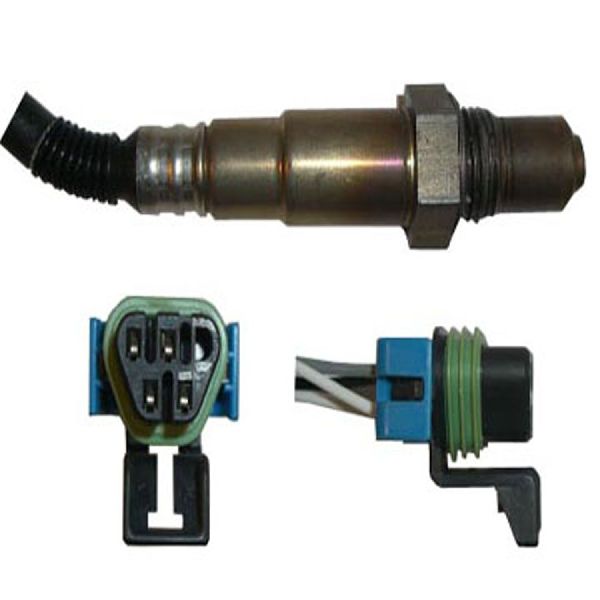
Thread Size: M18x1.5, Wrench Size: 22mm (7/8"), Connector: 4-pin specific fit
We Have This Part in Stock
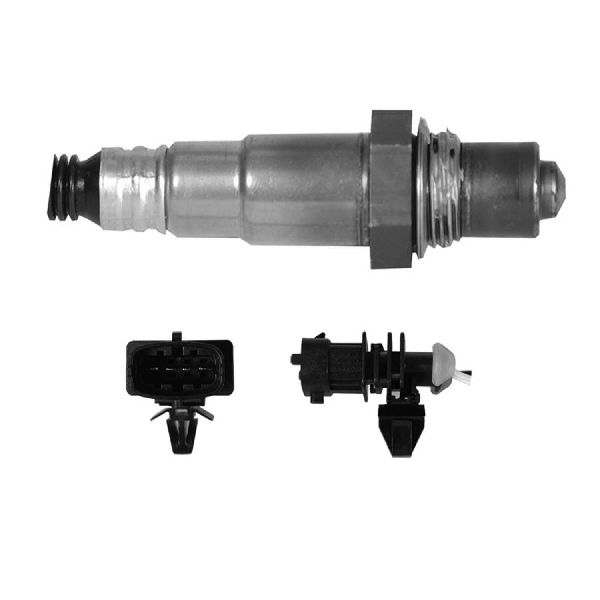
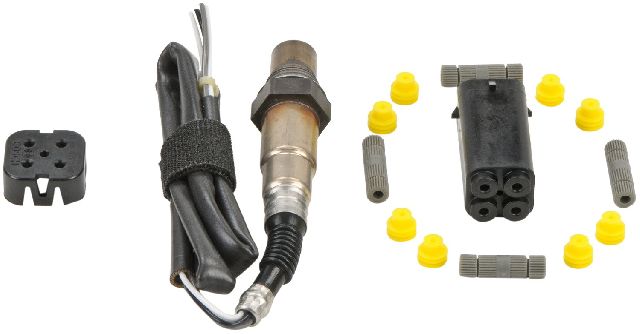
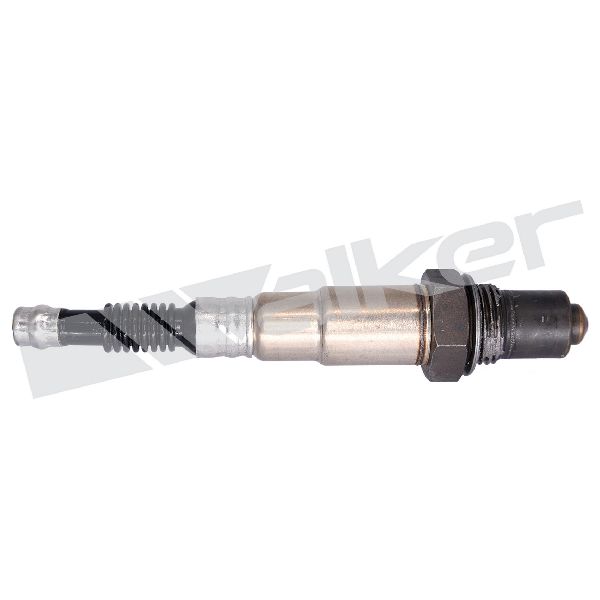
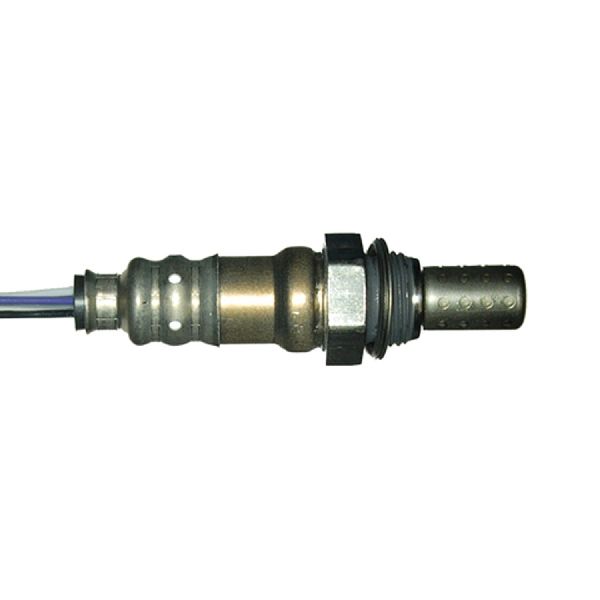

The information in this article is provided for general reference and educational purposes only. Vehicle specifications, procedures, and part compatibility can vary by production date, trim level, and region. Always consult your vehicle's factory service manual and verify part numbers before purchasing or performing repairs. Safety-critical components such as airbags, seat belts, and braking systems should be installed by a qualified professional.
- Cadillac ELR:
- 🛍️ Shop This Part
- Signs of a Failing Oxygen Sensor in Your ELR
- Common Trouble Codes
- Choosing the Right Aftermarket Oxygen Sensor
- Tier 1: OEM & Premium OEM-Equivalent Brands
- Tier 2: Standard Aftermarket Brands
- Tier 3: Economy Brands
- Upstream vs. Downstream Sensors
- Cost of Replacing a Cadillac ELR Oxygen Sensor
- Frequently Asked Questions
- 🎟️ Get 5% Off