

Chevrolet Spark EV (2014-2016) Coolant Temperature Sensor: A Comprehensive Guide
Understand the critical role of the coolant temperature sensor in your Spark EV's battery health and performance.
- This sensor is vital for the health of your Spark EV's expensive high-voltage battery.
- Symptoms include charging problems, reduced power, and a Check Engine Light.
- ACDelco is the OEM-equivalent choice, while NGK and Standard Ignition are reliable top-tier aftermarket options.
- Ignoring a faulty sensor can lead to battery damage or leave you stranded.
Understanding the Coolant Sensor in Your Spark EV
The Chevrolet Spark EV has a sophisticated liquid-cooling system to manage the temperature of its high-voltage battery pack and other critical electronics like the onboard charger and inverter. There are multiple coolant loops and reservoirs under the hood. The coolant temperature sensor is a small but essential part of this system. It acts like a thermometer, telling the vehicle's main computer how hot or cold the coolant is. This information is crucial because a battery that is too hot can be damaged, while a battery that is too cold can't deliver full power or charge efficiently. A faulty sensor can disrupt this entire thermal management system.
Symptoms of a Failing Coolant Temperature Sensor
A bad coolant temperature sensor can cause a range of problems, some of which can be serious for an electric vehicle. Because the sensor's data is vital for battery health and charging, ignoring the symptoms is not recommended.
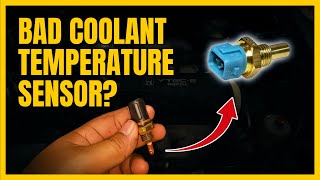
🎬 Watch this video to learn more about common sensor failure signs.- Check Engine Light: This is often the first sign. The computer detects an illogical signal from the sensor and triggers a warning light. Common trouble codes include P0115, P0117, and P0118.
- Charging Problems: Your Spark EV may refuse to charge, or charging may stop unexpectedly. The thermal management system is active during charging, and if the computer gets bad temperature data, it may halt the process to prevent potential damage.
- Reduced Propulsion Power: You might see a "Reduced Power" message on the dash. The vehicle will limit performance to protect the battery if it can't confirm its temperature is stable.
- Cooling Fans Run Constantly or Not at All: The sensor's reading tells the cooling fans when to turn on. If the sensor fails, the fans might run all the time, draining your 12-volt battery, or they might not switch on when needed, putting the high-voltage battery at risk of overheating.
- Inaccurate Temperature Gauge: If your vehicle has a temperature display, it may show erratic readings, jumping from cold to hot or staying at zero.
A Note on DTC P0AFA
If you experience a no-start or no-charge condition, a scan tool may show code P0AFA (Hybrid/EV Battery System Voltage Low). While this can be caused by a serious internal battery failure, it can also be triggered by issues in the 12-volt system or other system faults. A faulty coolant temperature sensor can contribute to conditions that may eventually lead to complex error codes, so it's important to address the initial symptoms.
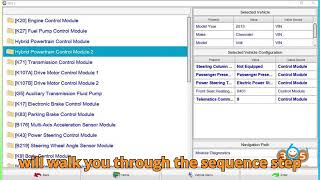
🎬 See how to clear the P0AFA code using various scan tools.Choosing the Right Aftermarket Sensor
When replacing the coolant temperature sensor, you have several options. The choice often comes down to a balance of cost, quality, and brand reputation.
| Brand Tier | Brands | Quality & Fitment Assessment |
|---|---|---|
| OEM-Equivalent | ACDelco | ACDelco is General Motors' own parts brand. Choosing an ACDelco GM Original Equipment sensor is the closest you can get to buying the part from a Chevrolet dealer. It is designed to meet the original factory specifications for performance and durability. |
| Top-Tier Aftermarket | NGK, Standard Ignition (SMP) | Both NGK and Standard Motor Products are highly respected manufacturers in the aftermarket. They are known for producing high-quality electronic components that meet or exceed OEM standards. Many professional mechanics trust and use these brands. |
| Standard Aftermarket | Holstein, Global Parts, True Tech | These brands typically offer a more budget-friendly option. They are designed to be a direct replacement for the factory part and can be a good value for the price. While they may not have the same long-standing reputation as OEM or top-tier brands for this specific component, they provide a functional replacement that meets basic requirements. |
Pro Tip: Check the Connector
Before ordering a new sensor, it's a good idea to inspect the wiring and connector for the old one. Sometimes, the issue is a loose connection or corrosion on the terminals, not a failed sensor. A GM Technical Service Bulletin for other models has noted that connection issues can cause similar symptoms.
Frequently Asked Questions
How many coolant temperature sensors does the Spark EV have?
The Spark EV's thermal management system is complex and uses multiple sensors. However, there is typically one primary sensor associated with the main battery coolant loop that is most commonly replaced. Some parts diagrams show different sensors for different model years or systems. It's important to verify the correct part for your specific vehicle.
Is this a difficult part to replace myself?
For someone with basic mechanical skills, replacing the sensor is generally straightforward. It is often located on the radiator or a coolant housing and is accessible after removing the air filter box. However, you will lose a small amount of coolant during the swap, so you need to be prepared to top it off with the correct type of coolant (DEX-COOL for GM vehicles).
Are there any recalls for this issue?
As of now, there are no specific recalls from the NHTSA for the coolant temperature sensor on the 2014-2016 Chevrolet Spark EV. There have been recalls for other issues like airbags and hood latches on these models.
What happens if I don't replace a bad sensor?
Ignoring a faulty coolant temperature sensor in your Spark EV is risky. The vehicle's computer relies on this data to protect the very expensive high-voltage battery. Driving with a bad sensor could lead to the battery overheating, which can cause permanent damage and significantly reduce its lifespan and capacity. In the short term, it can also leave you stranded with a car that won't charge or won't start.
Helpful Videos
Technical Specifications
OEM Part Numbers: 12656493 55591401 12641368 55353807
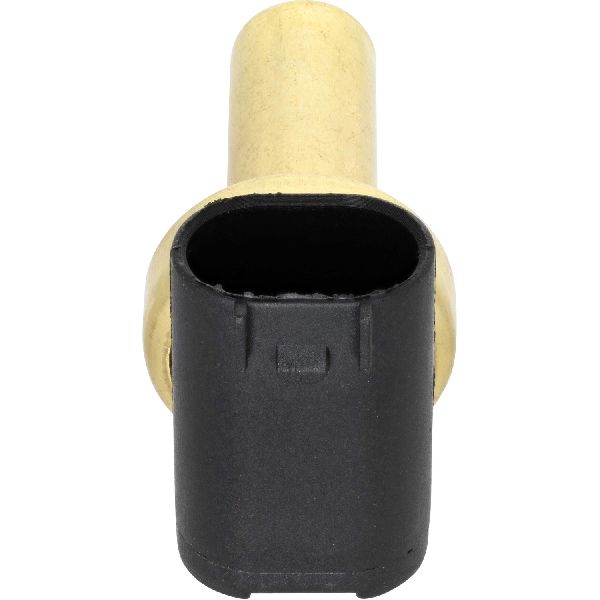
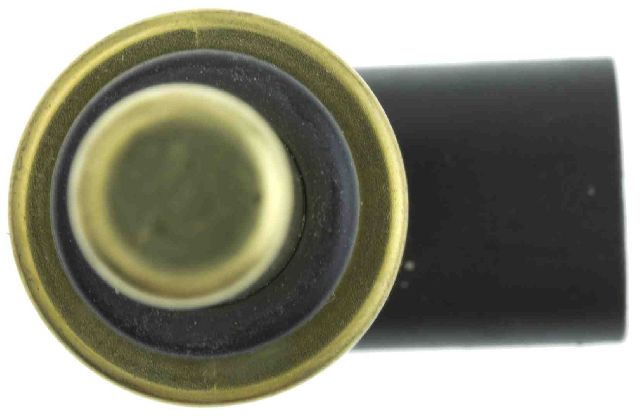
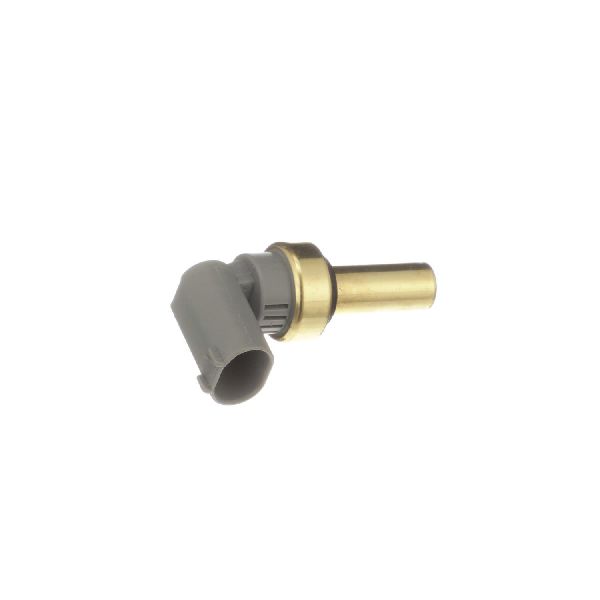
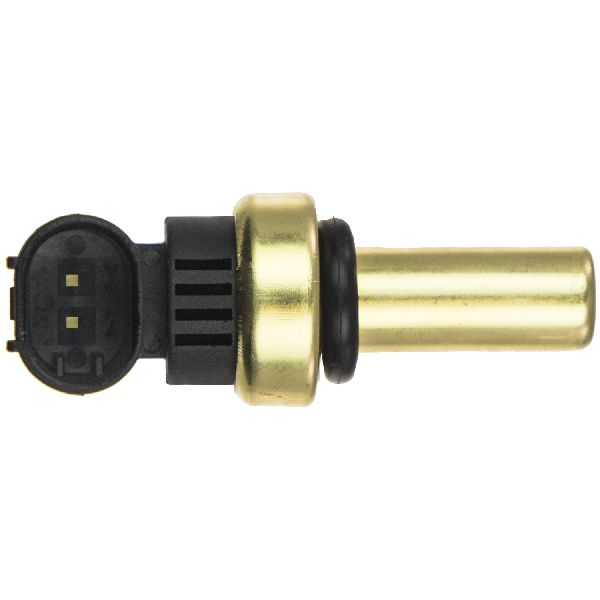
Typically a two-terminal thermistor sensor that threads into a coolant passage or radiator.
We Have This Part in Stock


The information in this article is provided for general reference and educational purposes only. Vehicle specifications, procedures, and part compatibility can vary by production date, trim level, and region. Always consult your vehicle's factory service manual and verify part numbers before purchasing or performing repairs. Safety-critical components such as airbags, seat belts, and braking systems should be installed by a qualified professional.
- Chevrolet Spark EV: