

A Guide to Replacing Brake Pads on the 2014-2017 Suzuki S-Cross
Everything you need to know about choosing the right new aftermarket brake pads for your S-Cross.
- For daily driving, aftermarket pads from brands like Centric offer OEM-quality performance at a better price.
- Listen for a high-pitched squeal as the first sign your brake pads need to be checked.
- Always inspect your brake rotors when changing pads; they often need to be replaced at the same time.
- Replacing brake pads is a manageable DIY job for those with basic tools and experience, but professional installation is recommended for safety if you are unsure.
Signs Your Brake Pads Are Failing
The most common sign of worn brake pads is a high-pitched squealing or screeching noise when you apply the brakes. This sound comes from a small metal tab called a wear indicator. When the pads are thin, this tab scrapes against the brake rotor. If you hear a deep grinding sound, it means the pad material is completely gone, and metal is grinding on metal. This is a serious issue that can damage your brake rotors. Other symptoms include a soft or spongy brake pedal, longer stopping distances, or your vehicle pulling to one side when braking.
Choosing the Right Aftermarket Brake Pads
For a daily driver like the 2014-2017 Suzuki S-Cross, high-quality aftermarket brake pads are a smart and cost-effective choice. They often meet or exceed the quality of original equipment (OEM) parts for a lower price. When shopping for your S-Cross, you'll likely encounter brands like Centric and StopTech.
Brand Options:
- Centric: This brand is known for producing high-quality, reliable brake parts that are similar to what your vehicle came with from the factory. Centric pads are an excellent choice for normal daily driving, offering a good balance of performance, long life, and value.
- StopTech: As Centric's high-performance division, StopTech offers a step up in braking power. If you do a lot of driving in hilly areas, tow, or simply want more responsive braking, StopTech pads are a great upgrade. They are designed for more demanding situations than standard pads.
Pro Tip: Inspect Your Rotors
When you replace your brake pads, always inspect the brake rotors. If they have deep grooves, a noticeable lip on the edge, or appear discolored, they should be replaced. Putting new pads on bad rotors will cause noise and reduce stopping power.
Known Issues and Recalls
While there are no specific recalls for the brake pads on the 2014-2017 Suzuki S-Cross in the North American market, some related issues have been noted. A recall in Australia for 2016-2022 models mentioned a potential issue with the brake booster vacuum assist, which could require more pedal effort. Another recall in India for 2015-2016 models was issued for a suspected fault in a brake part. A European recall for 2015-2022 models also cited a vacuum pump issue that could increase the brake pedal effort needed. It is important to note that these recalls were for different markets and may not apply to US-spec vehicles. No specific Technical Service Bulletins (TSBs) for brake pad issues on this model were found for the US market.
Frequently Asked Questions (FAQ)
Do I need to replace my brake rotors at the same time as the pads?
Not always. However, it is best practice to inspect the rotors for wear. If they are warped, heavily scored, or thinner than the minimum thickness specification, they must be replaced. Most mechanics recommend replacing rotors with pads for the best performance and safety.
What is the difference between front and rear brake pads?
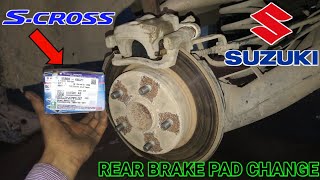
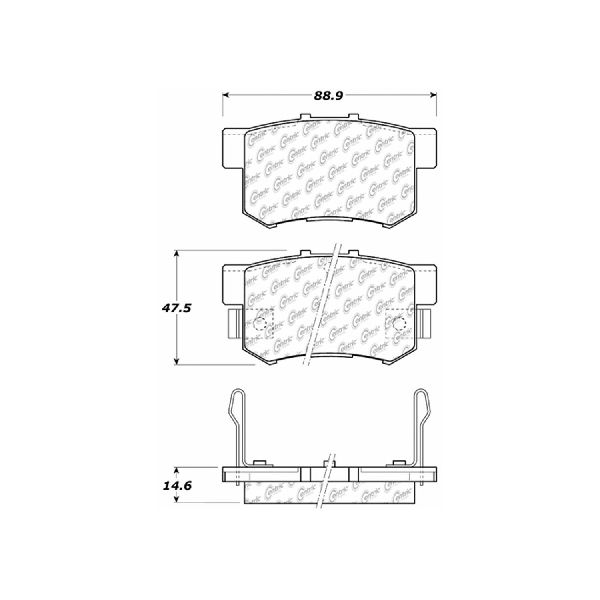
Front and rear brake pads are not interchangeable. They have different shapes and sizes because the front brakes typically handle more of the braking force. Always ensure you are purchasing the correct set for the axle you are servicing.
What does "bedding-in" new brake pads mean?
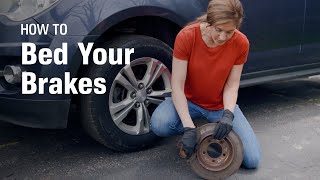
Bedding-in is a process of transferring a thin, even layer of friction material from the new pads onto the brake rotors. This is done by performing a series of controlled stops. Proper bedding is critical for optimal performance, reducing noise, and preventing brake judder.
Can I replace brake pads myself?
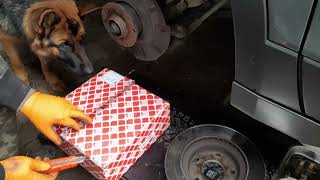
Yes, replacing brake pads is a job that a DIYer with the right tools and some mechanical knowledge can perform. You will need a jack, jack stands, a lug wrench, a socket set, a C-clamp or piston tool to compress the caliper piston, and brake grease. If you are not comfortable working on your vehicle's brake system, it is best to have a professional mechanic do the job.
Helpful Videos

Technical Specifications
OEM Part Numbers: 55810-61M00 55810-61M01 55810-61M02 55810M65M00 55800-61M11
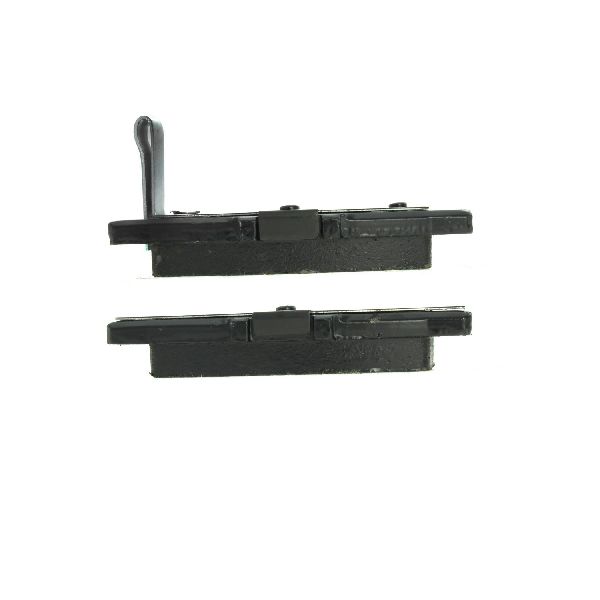
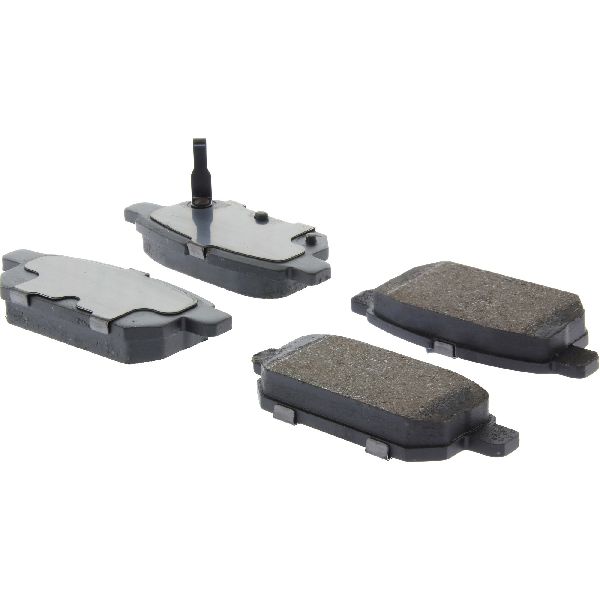
Brake pads for the 2014-2017 Suzuki S-Cross are available in semi-metallic and ceramic compounds. They typically come with features like acoustic wear indicators and anti-squeak plates. The front and rear pads are different parts and are not interchangeable.
We Have This Part in Stock


The information in this article is provided for general reference and educational purposes only. Vehicle specifications, procedures, and part compatibility can vary by production date, trim level, and region. Always consult your vehicle's factory service manual and verify part numbers before purchasing or performing repairs. Safety-critical components such as airbags, seat belts, and braking systems should be installed by a qualified professional.
- Suzuki S-Cross: