

Ford Escape Brake Master Cylinder Guide (2014-2019)
Experiencing a soft brake pedal in your Ford Escape? Here’s what you need to know before replacing your brake master cylinder.
- A spongy, soft, or sinking brake pedal is the #1 symptom of a failing master cylinder and is a critical safety issue.
- A major recall (NHTSA 20V-332) was issued for 2014-2016 models for master cylinders leaking into the brake booster; check if your VIN is affected.
- If the master cylinder leaks, the brake booster may also need replacement.
- Properly bench bleeding the new master cylinder before installation and bleeding all four wheels after is required for a successful repair.
Symptoms of a Failing Master Cylinder

A bad master cylinder is a major safety risk. If your Escape shows these signs, get it inspected immediately. Failure can be gradual, but it shouldn't be ignored.
- Spongy or Sinking Brake Pedal: This is the most common and critical symptom. If the pedal feels soft, mushy, or slowly sinks to the floor when you hold it down, the internal seals are likely worn. This means fluid is bypassing the seals instead of building pressure to stop the vehicle.
- Brake Warning Light: A drop in brake fluid level due to a leak will trigger the red brake warning light on your dashboard. This is a clear signal to check your brake system.
- Visible Fluid Leaks: The master cylinder can leak externally where it mounts to the brake booster on the firewall. A significant recall for the 2014-2016 Escape involved internal leaks, where brake fluid seeps into the brake booster. If the booster is also damaged by fluid, it will need to be replaced.
- Contaminated Brake Fluid: If the fluid in the reservoir looks dark or has black specks, it can mean the rubber seals inside the master cylinder are breaking down and contaminating the system.
Major Recall Information for 2014-2016 Ford Escape
Ford issued a significant safety recall (NHTSA Campaign 20V-332, also related to 16S24) for 2014-2016 Ford Escapes. The problem involves the brake master cylinder allowing fluid to leak from the front wheel circuit into the brake booster. This can lead to a change in pedal feel, increased pedal effort, and longer stopping distances, increasing the risk of a crash. The cause was identified as potential brake fluid contamination or a rolling cup seal inside the cylinder. Under the recall, dealers will replace the master cylinder and the brake booster if it is also found to be leaking, free of charge. Always check with a Ford dealer to see if your vehicle is affected by this recall.
Choosing the Right Aftermarket Master Cylinder

When your Escape is out of warranty or the recall doesn't apply, you'll choose between an OEM part and several aftermarket options. For a critical safety part like this, quality matters more than price.
- Motorcraft (OEM): This is the original Ford part. It guarantees a perfect fit and is engineered for the vehicle. Given the recall history, Ford has likely released an updated part to correct the original flaw. While it's the most expensive option, it's the safest bet for reliability.
- Dorman: Dorman is a well-known aftermarket brand that often engineers "OE FIX" parts to correct known factory flaws. However, forum discussions show mixed reviews on their master cylinders, with some users advising to avoid them for this specific part.
- Centric / Dynamic Friction: These brands are generally considered good quality mid-tier options in the aftermarket. They offer a balance of affordability and reliability. Many professional technicians use these brands for daily-driver repairs.
Pro Tip: Due to the known issues and safety recalls on the 2014-2016 models, using a new OEM Motorcraft part is strongly recommended over aftermarket options to ensure you have the most updated and reliable design.
Estimated Replacement Costs
The cost to replace the master cylinder varies based on the parts you choose and local labor rates. The job is moderately difficult and requires completely bleeding the brake system afterward.
| Part/Service | Estimated Cost |
|---|---|
| New Aftermarket Part | $146 - $165 |
| New OEM (Motorcraft) Part | $224 - $333 |
| Shop Labor | $329 - $483 |
| Total Professional Job | $475 - $816+ |
Frequently Asked Questions

Do I have to replace the brake booster too?
You only need to replace the brake booster if the old master cylinder has leaked brake fluid into it. Brake fluid is corrosive and will destroy the diaphragm inside the booster, leading to a hard brake pedal. If you see fluid leaking between the master cylinder and booster, plan on replacing both.
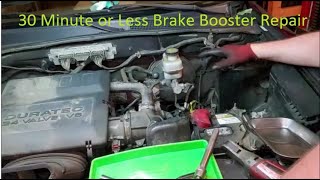
🎬 See how to quickly swap out a damaged brake booster.Do I need to bench bleed the new master cylinder?
Yes, bench bleeding is a critical step. It removes air from the master cylinder before you install it in the vehicle. Skipping this step will make it extremely difficult, if not impossible, to bleed all the air out of the brake system later, resulting in a spongy pedal. Some installation videos note that bench bleeding this specific part can be difficult due to the reservoir design, but it should still be attempted.
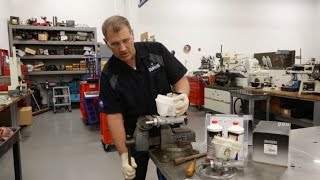
🎬 Watch a demonstration on how to properly bench bleed your cylinder.What's the difference between a bad master cylinder and a bad brake booster?
A bad master cylinder usually causes a soft, spongy, or sinking brake pedal. A bad brake booster, which uses engine vacuum to assist braking, typically causes a very hard brake pedal that requires a lot of force to press.
Can I just replace the seals inside the master cylinder?
While seal kits were once common, it is not recommended for modern vehicles. The cylinder bore itself can wear down or get scored, and a new seal won't fix that. For a critical safety component like this, replacing the entire unit with a new assembly is the only safe and reliable repair.
Helpful Videos
Technical Specifications
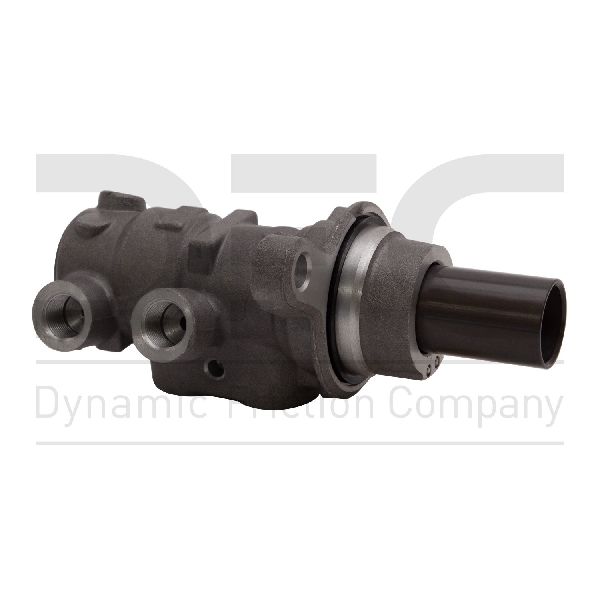
OEM Part Numbers: BV6Z-2140-A BRMC-158
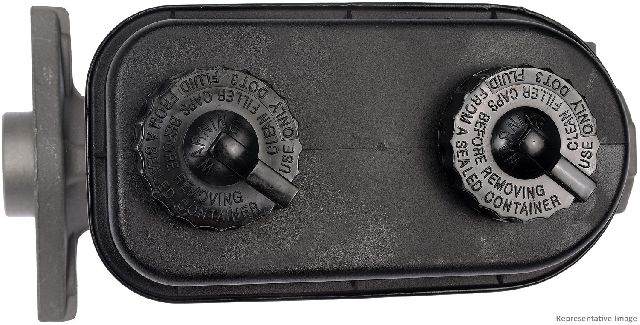
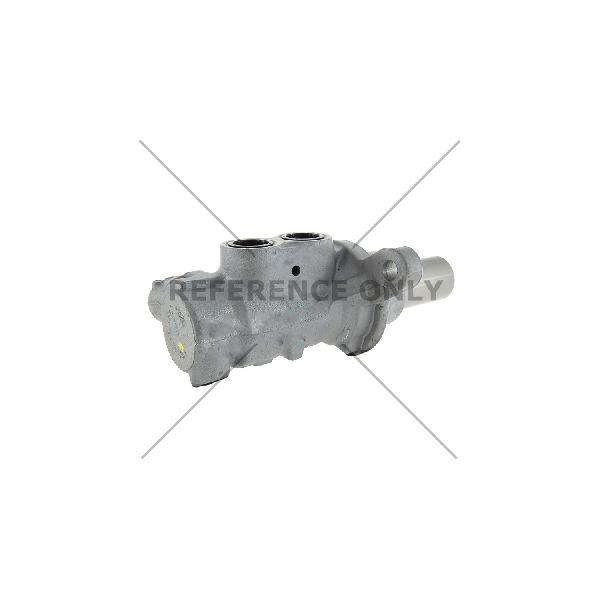
Fits 2014, 2015, 2016, 2017, 2018, and 2019 Ford Escape models. The unit is typically made of aluminum with a plastic reservoir and has two outlet ports. The replacement procedure requires removing the cowl panel and battery for access.
We Have This Part in Stock


The information in this article is provided for general reference and educational purposes only. Vehicle specifications, procedures, and part compatibility can vary by production date, trim level, and region. Always consult your vehicle's factory service manual and verify part numbers before purchasing or performing repairs. Safety-critical components such as airbags, seat belts, and braking systems should be installed by a qualified professional.
- Ford Escape: