

A Guide to the Manifold Absolute Pressure (MAP) Sensor for the 2014-2021 Volkswagen Golf
Understand the symptoms of a failing MAP sensor and learn how to choose the right aftermarket replacement for your Mk7 Golf.
- A failing MAP sensor often causes a Check Engine Light with code P0106, rough idle, poor fuel economy, and loss of power.
- Replacement is very easy for a DIYer, typically requiring only a Torx driver and taking less than 15 minutes.
- Bosch is an OEM-supplier brand and offers a reliable replacement, while brands like Delphi and Standard Ignition are also trusted aftermarket choices.
- Before replacing, check for oil contamination in the intake manifold, as a bad PCV system is a common cause of MAP sensor issues on these cars.
Understanding the MAP Sensor in Your Mk7 Golf

The Manifold Absolute Pressure (MAP) sensor in your 2014-2021 Volkswagen Golf is critical for proper engine function. It constantly tells the engine's computer how much air pressure is in the intake manifold. For turbocharged engines like the 1.8T and 2.0T found in the Golf, GTI, and Golf R, this sensor also measures the boost pressure created by the turbo. This information allows the computer to make precise adjustments to the fuel mixture and ignition timing, ensuring your engine runs smoothly and efficiently. When it fails, it can cause a range of noticeable problems.
Symptoms of a Failing MAP Sensor


A bad MAP sensor sends incorrect information to the engine's computer, which can lead to a variety of performance issues. You might experience one or more of the following signs:
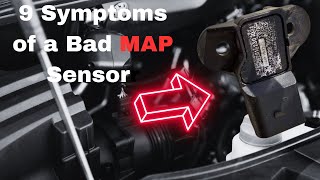
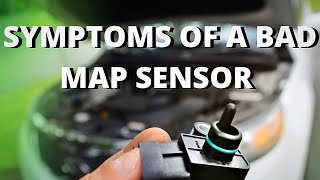
🎬 Watch: Common signs and symptoms of a failing MAP sensor- Check Engine Light: This is often the first sign. A scanner will likely show codes like P0106, which points to a problem with the MAP sensor's performance or range.
- Rough Idle and Stalling: Your Golf may idle erratically, with the RPMs fluctuating, or it might stall when you come to a stop.
- Reduced Engine Power: The car may feel sluggish and hesitate during acceleration. In some cases, the vehicle may enter a "limp mode" to protect the engine, which severely limits power.
- Poor Fuel Economy: If the computer receives bad data, it may inject too much fuel, causing your gas mileage to drop.
- Black Smoke from Exhaust: An overly rich fuel mixture can result in black smoke coming from the tailpipe, indicating incomplete fuel combustion.
Known Issues for the Mk7 Golf
While there are no specific recalls for the MAP sensor on the 2014-2021 Golf, some common issues can cause it to fail or trigger a fault code. Oil contamination is a frequent problem. A failing PCV (Positive Crankcase Ventilation) system can allow oil vapor into the intake manifold, which then coats the MAP sensor, causing it to send faulty readings. In some cases, water intrusion into the sensor's electrical connector can cause corrosion and failure. Before replacing the sensor, it's wise to check for oil residue in the intake or a damaged PCV diaphragm.
Choosing the Right Aftermarket MAP Sensor

When replacing the MAP sensor, you have several options. The quality can vary, so it's important to choose wisely.
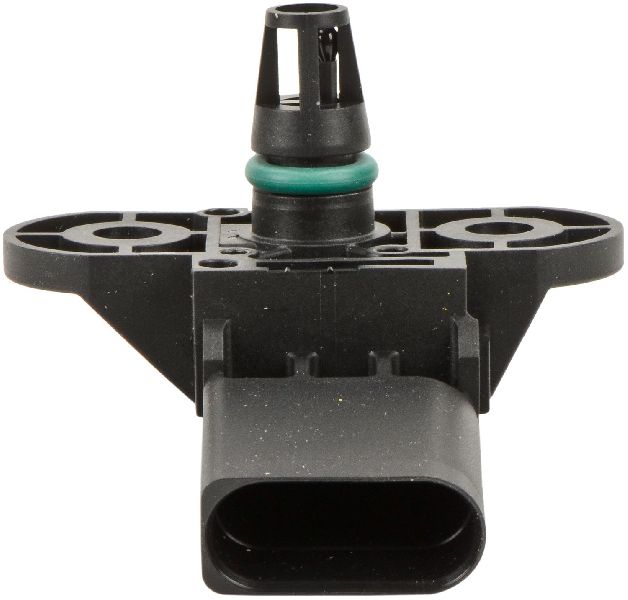
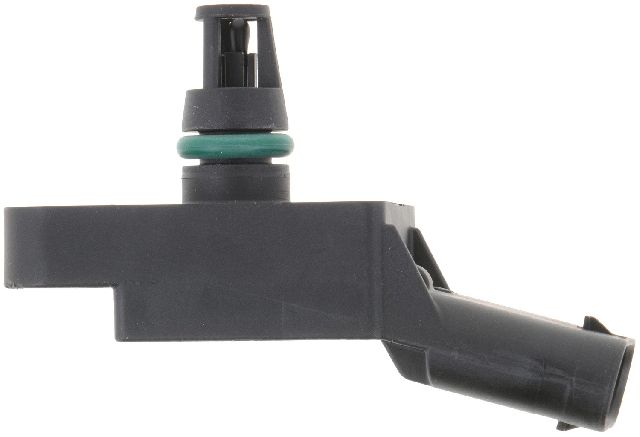
- OEM-Supplier Brands (Bosch): Bosch is a frequent original equipment manufacturer for Volkswagen. Choosing a Bosch sensor is the closest you can get to buying a genuine VW part without the dealership price tag. It is designed to meet the exact specifications for your Golf's engine.
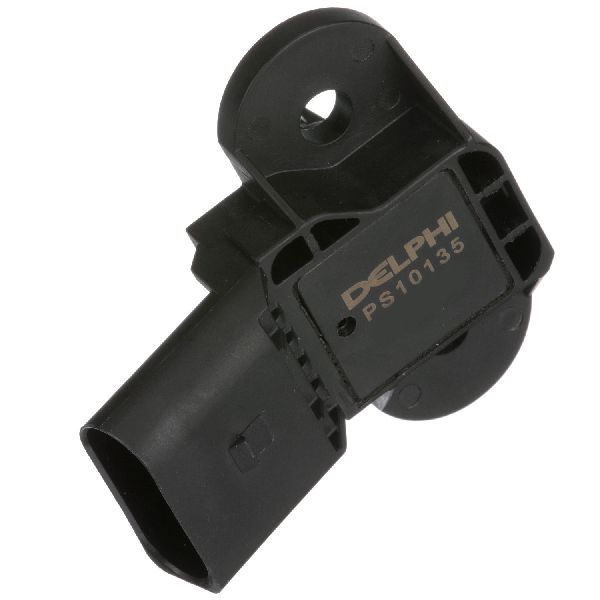
- Quality Aftermarket Brands (Delphi, Standard Ignition, NGK): Brands like Delphi and Standard Motor Products (SMP) have a long history of making reliable electronic components. Forum discussions often recommend these brands as dependable alternatives to OEM. NGK, primarily known for spark plugs, also produces high-quality sensors under its NTK division.
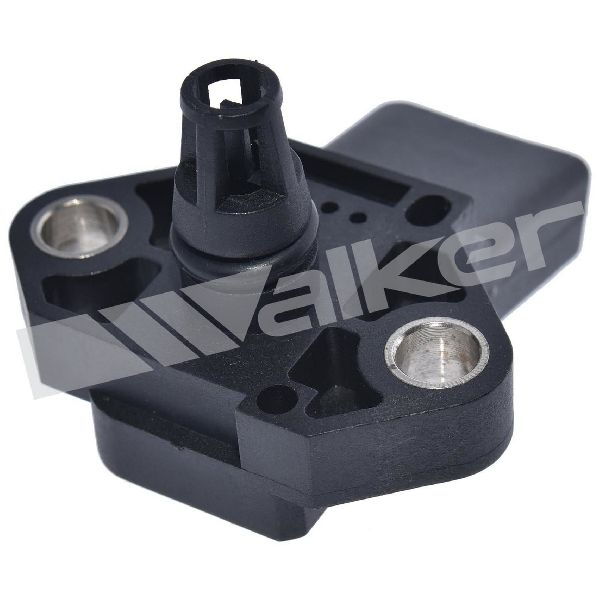
- Value-Oriented Brands (Vemo, Walker, Facet, etc.): These brands offer a more budget-friendly price point. While they can be a good value, their long-term reliability may not be as proven as the premium brands. It's best to check recent reviews or be prepared for the possibility of a shorter lifespan compared to an OEM-quality part.
Pro Tip: Check Your Part Number
Before ordering, it is always best to visually inspect the existing sensor on your car and read the part number printed on it. Part numbers can vary based on your specific engine (1.8T, 2.0T, TDI) and production date. Matching the part number is the surest way to get the correct replacement.
Cost of Replacing a VW Golf MAP Sensor
The cost to replace a MAP sensor depends on whether you do it yourself or have a shop perform the work. The part itself is relatively affordable, and the labor is minimal due to easy access.
| Item | Estimated Cost |
|---|---|
| Shop Labor | $61 - $90 |
| New OEM Part | $99 - $187 |
| New Aftermarket Part | $35 - $156 |
Frequently Asked Questions
Can I clean my Golf's MAP sensor instead of replacing it?
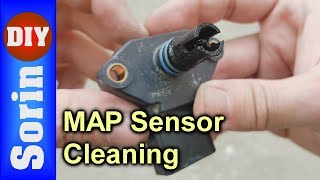
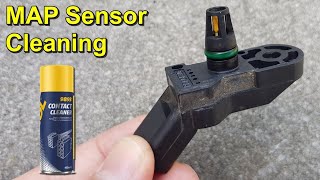
Sometimes, cleaning can solve the problem, especially if the sensor is just contaminated with oil from the PCV system. You can use a dedicated Mass Airflow (MAF) or electronics cleaner. However, if the 🎬 See this tutorial on how to properly clean your sensor sensor has failed electronically, cleaning will not fix it and replacement is necessary.
Is it difficult to replace the MAP sensor myself?
No, this is a very beginner-friendly job. The MAP sensor on most Mk7 Golf engines is located directly on the intake manifold and is held in by a single T25 or T20 Torx screw. The process involves removing the engine cover, disconnecting the electrical plug, removing one screw, and swapping the sensor. The entire job can usually be done in under 15 minutes.
🎬 Watch: Step-by-step guide to cleaning or replacing your VAG sensorWhat is the difference between a MAP and a MAF sensor?
Your Golf has both. The Mass Airflow (MAF) sensor measures the volume and density of air entering the engine right after the air filter. The Manifold Absolute Pressure (MAP) sensor measures the pressure inside the intake manifold after the turbocharger. The ECU uses data from both sensors to get a complete picture of what the engine is doing.
Are there any recalls for the MAP sensor on the 2014-2021 Golf?
No, there are no specific safety recalls issued by the NHTSA for the MAP sensor on this generation of Volkswagen Golf. However, there was a recall for some models related to a fuel system component (suction jet pump) that could cause fuel odor, which should not be confused with a MAP sensor issue.
Helpful Videos
Technical Specifications
OEM Part Numbers: 06L906051K 06L906051B 03C906051F
The sensor is typically located on the top or side of the plastic intake manifold, secured by one T20 or T25 Torx screw. It uses a 3 or 4-pin electrical connector. Standard engines use a 3-bar sensor, while highly modified, high-boost engines may be upgraded to a 4-bar or 5-bar sensor, which requires a corresponding ECU tune.
We Have This Part in Stock


The information in this article is provided for general reference and educational purposes only. Vehicle specifications, procedures, and part compatibility can vary by production date, trim level, and region. Always consult your vehicle's factory service manual and verify part numbers before purchasing or performing repairs. Safety-critical components such as airbags, seat belts, and braking systems should be installed by a qualified professional.
- Volkswagen Golf: