

Hyundai Tucson Ignition Coil Guide (2014-2024): Symptoms & Replacement
Experiencing misfires or a rough idle in your Tucson? Your ignition coils might be the problem.
- A bad ignition coil causes misfires, a rough idle, and turns on the check engine light (P0301-P0304).
- Replacement is very easy and can be done in minutes with a 10mm socket.
- For reliability, choose a premium aftermarket brand like NGK, Delphi, or Denso over cheaper, unknown brands.
- Driving with a misfire can damage your catalytic converter, so address the issue promptly.
Is Your Tucson's Ignition Coil Failing?

Ignition coils on the Hyundai Tucson are a common replacement item. They work hard in a hot environment and eventually wear out. When one starts to fail, the symptoms are usually easy to spot. Ignoring them can lead to more expensive problems, like a damaged catalytic converter.
Key Failure Symptoms:
- Engine Misfires or Stuttering: The most common sign. Your engine may feel like it's stumbling, jerking, or hesitating during acceleration.
- Rough Idle: You might feel shaking or vibration when the vehicle is stopped and in gear.
- Check Engine Light: A failing coil will almost always trigger the check engine light. The most common codes are P0300 (random misfire) or P0301, P0302, P0303, P0304, indicating a misfire in a specific cylinder.
- Reduced Power: Your Tucson may feel sluggish and slow to accelerate.
- Worse Fuel Economy: When a cylinder isn't firing, your engine becomes less efficient, burning more gas.
Known Issues & Recalls
As of early 2026, there are no widespread recalls or specific Technical Service Bulletins (TSBs) from Hyundai for ignition coil failure on 2014-2024 Tucson models. Failures are typically due to normal wear and tear. However, repeated failures on the same cylinder could point to other issues like a bad spark plug, a valve cover gasket leak allowing oil into the spark plug tube, or a bad ground connection.
Choosing the Right Aftermarket Ignition Coil

When it comes to ignition coils, quality matters. While a cheap coil might seem like a good deal, it can fail quickly, leaving you with the same problem. For a critical electronic part like this, it's often best to stick with brands known for their quality and reliability.
Brand Quality Tiers
Based on owner feedback and brand reputation, aftermarket coils for your Tucson can be grouped into tiers:
- Tier 1: OEM & Premium Brands (Highest Quality): These brands are often the original equipment manufacturers for Hyundai or have a long-standing reputation for quality that meets or exceeds OEM standards. They are the most reliable choice for longevity.
- NGK: A top choice, highly recommended by mechanics and owners. Known for excellent quality and reliability.
- Delphi: Another major OEM supplier with a strong reputation for performance and durability.
- Hitachi: A well-respected Japanese manufacturer, often an OEM supplier.
- Denso: Known for excellent build quality and long life, sometimes considered a step above other aftermarket options in terms of durability.
- Tier 2: Reputable Aftermarket Brands (Good Quality): These brands offer a good balance of price and performance. They are generally reliable for daily driving.
- Standard Ignition (SMP): A long-time player in the aftermarket, but some users have reported inconsistent quality with recent products.
- Walker Products: A known aftermarket brand offering a range of engine management parts.
- Holstein: An aftermarket brand with available options for the Tucson.
- Tier 3: Economy Brands (Use with Caution): This group includes many private-label or lesser-known brands. While the price is low, the risk of premature failure is higher. Brands in this category may include DriveWire, URO Parts, Skyward, Spectra, True Tech, and others. Some owners have had poor experiences with brands like Spectra, citing multiple failures in a short time.
Pro Tip: Replace in Sets?
If one coil fails and your Tucson has over 80,000 miles, it's a good idea to replace all of them at the same time. The other original coils have been exposed to the same heat and wear and are likely near the end of their life. It's also wise to replace the spark plugs at the same time if they are due.
Cost of Replacing a Hyundai Tucson Ignition Coil
| Item | Estimated Cost |
|---|---|
| New OEM Ignition Coil (per coil) | $110 - $170 |
| New Aftermarket Ignition Coil (per coil) | $22 - $169 |
| Shop Labor | $50 - $100 |
Frequently Asked Questions

How difficult is it to replace a Tucson ignition coil?
It is a very easy DIY job. You only need basic hand tools, primarily a 10mm socket. The coils are located directly on top of the engine, held by a single bolt. The entire process for one coil can take as little as 15 minutes.
My check engine light is on. How do I know it's the ignition coil?
Use an OBD-II scanner to read the trouble code. A code from P0301 to P0304 points to a misfire in a specific cylinder. To confirm it's the coil, you can swap the faulty cylinder's coil with one from a working cylinder. Clear the codes and run the engine. If the misfire code moves to the new cylinder, you've confirmed the coil is bad.
Should I buy the cheapest ignition coil available?
It is not recommended. Ignition coils are a part where quality directly impacts reliability. Cheap, unbranded coils have a high failure rate, which can leave you stranded and repeating the repair. Sticking with a reputable brand like NGK, Delphi, or Denso is a safer investment.
Can I drive my Tucson with a bad ignition coil?
It is not recommended for long distances. Driving with a misfire can cause unburnt fuel to enter the exhaust system, which can overheat and destroy your expensive catalytic converter. If you must drive, do so for a short distance to a repair shop.
Helpful Videos
Technical Specifications
OEM Part Numbers: 27300-2E000 27300-2GGA0 27300-3F100 27301-2B120 27300-2S000 27301-2M417
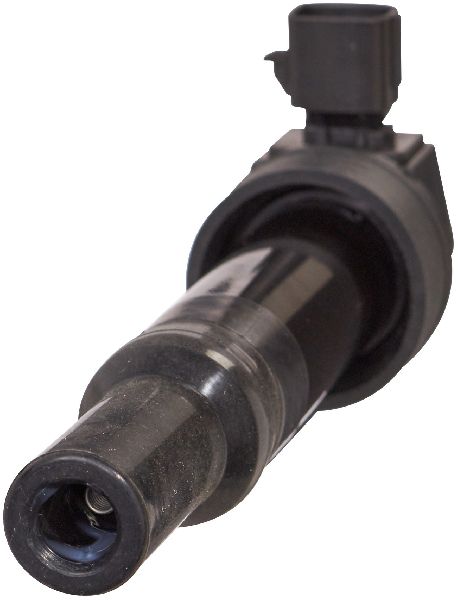
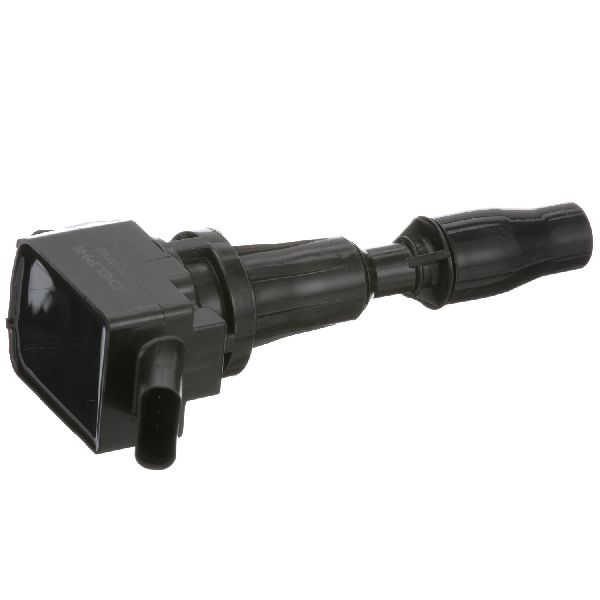
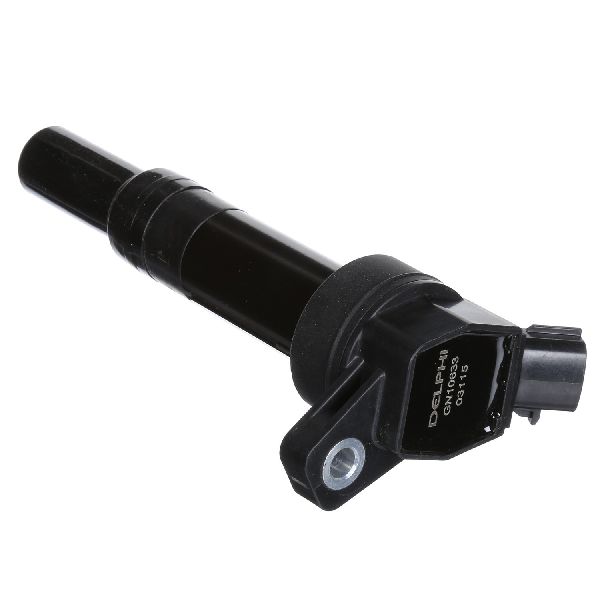
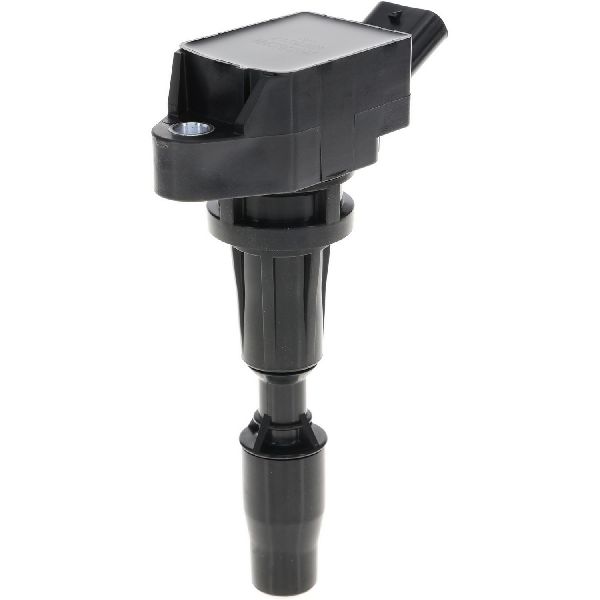
Coil-on-plug (pencil type), 12V, 2-pin female connector, single bolt-on mount.
We Have This Part in Stock


The information in this article is provided for general reference and educational purposes only. Vehicle specifications, procedures, and part compatibility can vary by production date, trim level, and region. Always consult your vehicle's factory service manual and verify part numbers before purchasing or performing repairs. Safety-critical components such as airbags, seat belts, and braking systems should be installed by a qualified professional.
- Hyundai Tucson:
- 🎬 Helpful Videos
- 🛍️ Shop This Part
- Is Your Tucson's Ignition Coil Failing?
- Key Failure Symptoms:
- Known Issues & Recalls
- Choosing the Right Aftermarket Ignition Coil
- Brand Quality Tiers
- Pro Tip: Replace in Sets?
- Cost of Replacing a Hyundai Tucson Ignition Coil
- Frequently Asked Questions
- 🎟️ Get 5% Off