

Ford Lobo 2015-2019 Engine Crankshaft Position Sensor: A Complete Guide
Experiencing stalling or a no-start condition? Your crankshaft position sensor might be the culprit.
- A failing sensor is critical and can cause a no-start or dangerous stalling condition; do not drive if symptoms are severe.
- The most common diagnostic code is P0335.
- Replacement is difficult due to the sensor's location behind the starter or A/C compressor.
- For this critical part, choosing a quality aftermarket brand like NGK/NTK or Standard Ignition is recommended over budget options to ensure reliability.
Is Your Ford Lobo Stalling or Refusing to Start?
If your 2015-2019 Ford Lobo is having trouble starting, stalling unexpectedly, or the Check Engine Light is on, a failing crankshaft position sensor could be the reason. This small but vital sensor tells your truck's computer when to fire the spark plugs and inject fuel. When it fails, it can leave you stranded. This guide will walk you through the symptoms, replacement costs, and how to choose the right aftermarket part for your truck.
Symptoms of a Failing Crankshaft Position Sensor
A bad crankshaft sensor will usually let you know something is wrong. Look out for these common signs:
- Check Engine Light: This is often the first sign. The most common trouble code is P0335, which points directly to a malfunction in the sensor's circuit.
- Engine Won't Start: The engine will crank but won't turn over and start. This happens because the computer doesn't have the crankshaft position data it needs to start combustion.
- Engine Stalling: The engine may stall unexpectedly while driving, which can be a serious safety risk. This can happen intermittently as the sensor fails.
- Rough Idle and Misfires: Your truck may shake or run poorly at idle due to incorrect ignition and fuel timing.
- Poor Acceleration: You might notice your truck feels sluggish or doesn't accelerate smoothly.
Known Issues & Recalls
As of early 2026, there are no specific recalls from the National Highway Traffic Safety Administration (NHTSA) for the crankshaft position sensor itself on the 2015-2019 Ford F-150 (Lobo). However, always check for wiring issues first. Damaged wires or corroded connectors can mimic sensor failure. Some owners report that oil leaks can damage the sensor over time, so inspect for leaks during replacement.
Choosing the Right Aftermarket Sensor
When replacing the crankshaft sensor, you have a choice between OEM (Motorcraft) and aftermarket brands. For a critical part like this, quality matters.
- Premium Aftermarket (NGK/NTK, Standard Ignition): Brands like NGK (also sold as NTK) and Standard Motor Products (SMP) are often considered reliable, sometimes even being the original equipment manufacturer. They offer a good balance of quality and price.
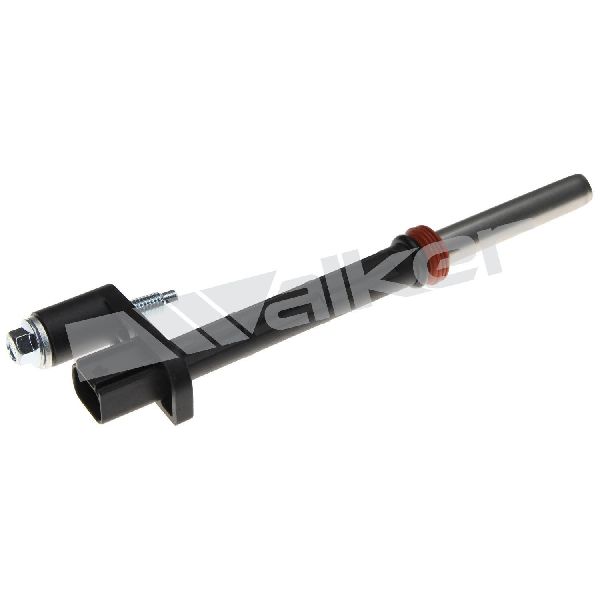
- Standard Aftermarket (Dorman, Walker Products): These brands are widely available and budget-friendly. While some Dorman parts are well-regarded, forum discussions suggest that for critical electronic sensors, sticking to a premium brand or OEM is often a safer bet to avoid premature failure.
Pro Tip: Given the labor involved in replacing this sensor, spending a little extra on a high-quality part from NGK, Standard Ignition, or the OEM Motorcraft brand can save you from doing the job twice.
Replacement Cost
The cost to replace the crankshaft position sensor varies depending on whether you do it yourself or go to a shop. The part itself is affordable, but labor can be significant due to its location.
| Cost Type | Estimated Price Range |
|---|---|
| New Aftermarket Part | $25 - $45 |
| New OEM (Motorcraft) Part | $44 - $82 |
| Shop Labor | $136 - $199 |
| Total Professional Replacement | $180 - $281 |
Frequently Asked Questions (FAQ)
Where is the crankshaft position sensor located on a 2015-2019 Ford Lobo?
The location varies by engine. On many F-150s of this generation, including EcoBoost and V8 models, the sensor is located on the lower passenger side of the engine block, often tucked behind the starter or A/C compressor, making it difficult to access.
Can I replace the crankshaft sensor myself?
Yes, it is possible for a DIY mechanic, but it can be challenging. Access is tight, and you may need to remove other components like the starter motor or A/C compressor to reach the sensor. The job typically requires about 1-2 hours.
Do I need to perform a relearn procedure after replacing the sensor?
While some sources mention a "Misfire Monitor Neutral Profile Correction" procedure may be needed, many owners find it's not strictly necessary for the truck to run. After installation, the truck might have a slightly longer crank time on the first few starts as the computer adapts to the new sensor, which is normal.
Is it safe to drive with a bad crankshaft position sensor?
No, it is not recommended. A failing sensor can cause the engine to stall suddenly and without warning, which is a major safety hazard, especially at high speeds. If you suspect the sensor is bad, you should get it replaced as soon as possible.
Technical Specifications
OEM Part Numbers: BL3Z-6C315-B AT4Z-6C315-A FT4Z-6C315-A 7T4Z-6C315-B
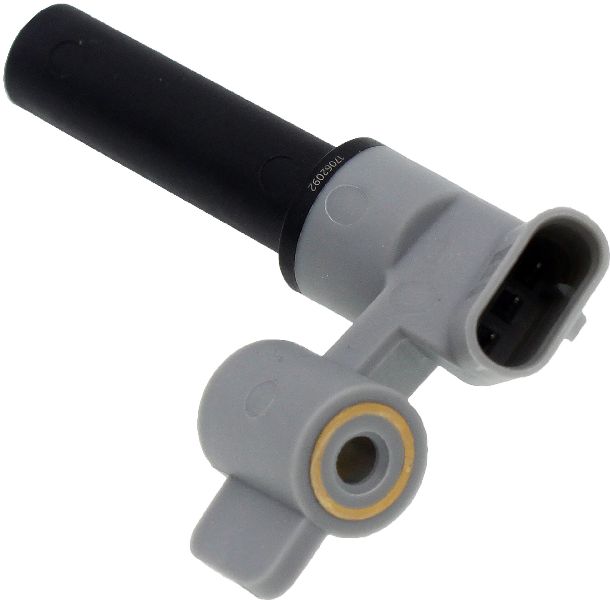
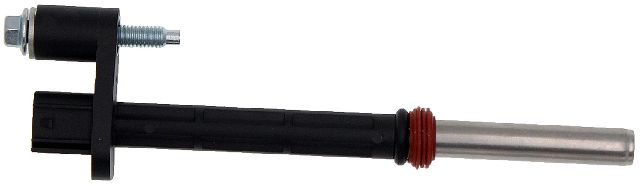
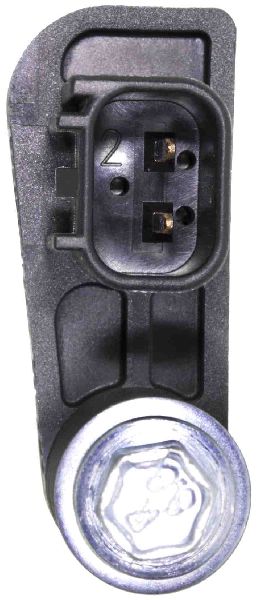
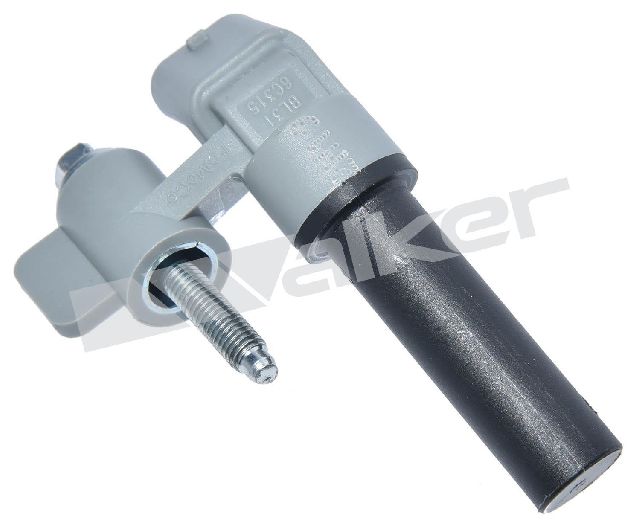
The sensor is typically a 2-terminal magnetic or Hall-effect sensor that bolts directly into the engine block. It reads teeth on the crankshaft's reluctor wheel to determine engine speed and position.
We Have This Part in Stock


The information in this article is provided for general reference and educational purposes only. Vehicle specifications, procedures, and part compatibility can vary by production date, trim level, and region. Always consult your vehicle's factory service manual and verify part numbers before purchasing or performing repairs. Safety-critical components such as airbags, seat belts, and braking systems should be installed by a qualified professional.
- Ford Lobo: