

A Guide to Replacing the Oxygen Sensors on Your 2015-2019 Nissan Altima
Is your Altima suffering from a bad oxygen sensor? Here’s what you need to know before you buy a replacement.
- Stick with OEM-supplier brands like Denso or NGK (NTK) for the best reliability and to avoid potential compatibility issues.
- A bad O2 sensor will trigger the check engine light, hurt your fuel economy, and can eventually damage your catalytic converter.
- The 2.5L Altima has two sensors (upstream and downstream) that are not interchangeable; confirm which one you need before buying.
- Owners of 2015-2016 models should check for an open recall or extended warranty related to the rear oxygen sensor.
Is Your Altima's Oxygen Sensor Failing?

A bad oxygen sensor won't stop your car from driving, but it will cause problems. Ignoring the signs can lead to poor performance, wasted fuel, and even damage to your expensive catalytic converter. Watch for these common symptoms.
Key Symptoms of a Bad O2 Sensor:
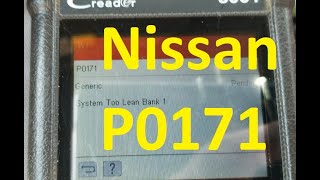
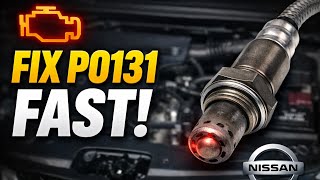
- Check Engine Light: This is the most common sign. The code is often P0131 (O2 Sensor Circuit Low Voltage 🎬 Watch this quick guide to fixing the P0131 low voltage code.) or P0171 (System Too Lean).
- Poor Fuel Economy: The engine's computer can't create the right fuel mixture, often running rich (using too much fuel) to be safe. This can cause a noticeable drop in your MPG.
- Rough Idle or Misfires: An incorrect air-fuel mix can make your engine run poorly, especially when idling or under load.
- Failed Emissions Test: A bad O2 sensor means your car isn't controlling its emissions, leading to an automatic failure on a smog test.
- Rotten Egg Smell: In some cases, a rich fuel mixture can overwhelm the catalytic converter, producing a sulfur-like smell from the exhaust.
Known Issues for 2015-2016 Altimas
Nissan issued a voluntary recall (R1620) for some 2015-2016 V6 Altimas for an issue where the rear O2 sensor could fail without triggering a check engine light. The fix was a software update from the dealer. Additionally, Nissan extended the warranty on the rear oxygen sensor for some 2013-2016 Altimas to 20 years/200,000 miles for a specific short-to-ground fault. If you have one of these model years, it may be worth checking with a Nissan dealer about your specific vehicle.
Choosing the Right Aftermarket Oxygen Sensor

When it comes to sensors that talk to your engine's computer, quality matters. For Nissan vehicles, using a brand that is an Original Equipment Manufacturer (OEM) is highly recommended to avoid compatibility issues.
Brand Quality Tiers
- Top Tier (OEM Supplier): Denso & NGK (NTK)
Denso and NGK (which markets its sensors under the NTK brand) are the original suppliers of oxygen sensors for Nissan. Choosing one of these brands is the closest you can get to buying the part from a Nissan dealer. They are designed to work perfectly with your Altima's computer and are the most recommended choice in owner forums. - High-Quality Aftermarket: Bosch
Bosch invented the automotive oxygen sensor and is a trusted OEM for many car manufacturers. They are known for quality and performance and are a reliable choice if an OEM-supplier brand is not available. - Standard/Economy: DriveWire & Walker Products
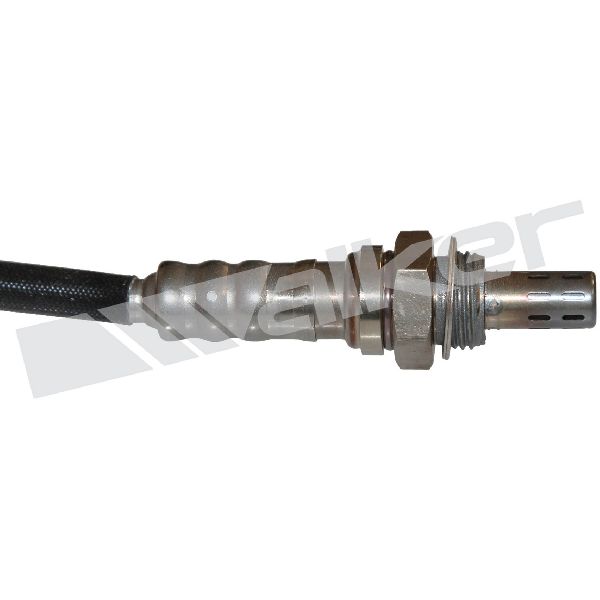
These brands offer a more budget-friendly option. While they are designed to fit and function, some sensitive vehicles like Nissan can occasionally have issues with non-OEM sensors, as noted by owners in forums. They can be a good choice if budget is the primary concern, but be aware of the strong community preference for Denso or NGK/NTK.
Upstream vs. Downstream Sensors
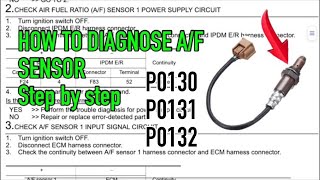
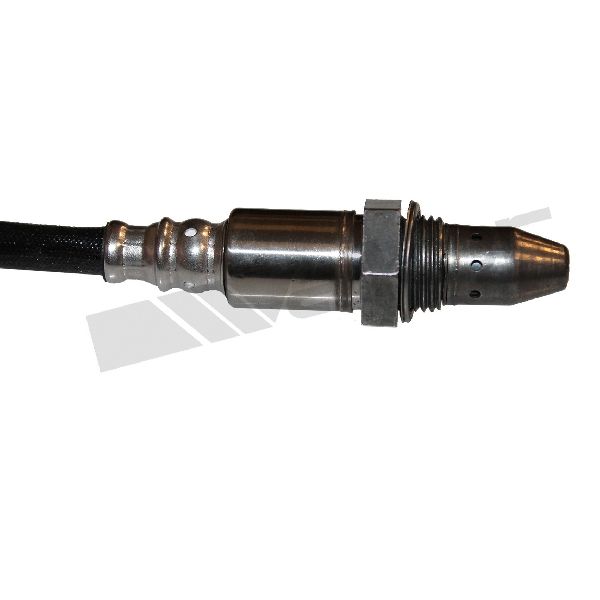
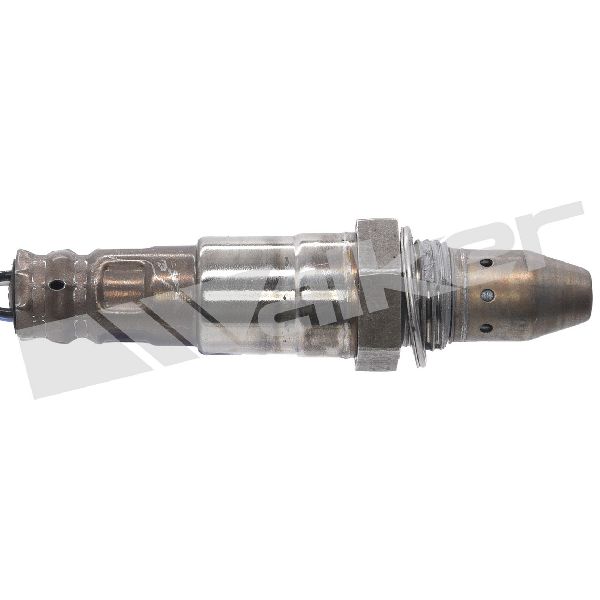
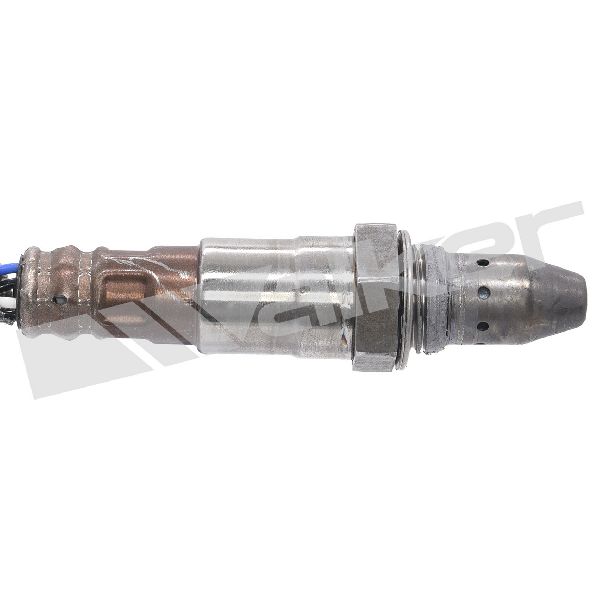
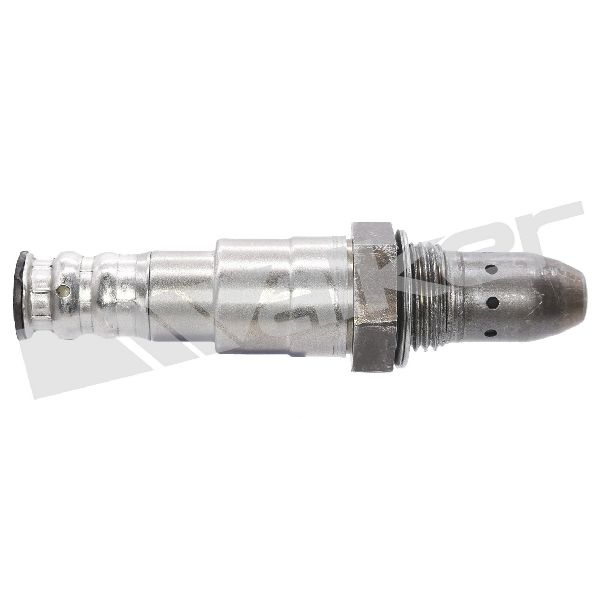
Your 2.5L Altima has two O2 sensors. The upstream sensor (also called Air/Fuel Ratio Sensor or Bank 1, Sensor 1) does most of the work controlling the fuel mixture. The downstream sensor (Bank 1, Sensor 2) monitors the catalytic converter. They are not interchangeable. Always confirm the location of the failed sensor before ordering a new part. Part numbers 234-9133 (Upstream) 🎬 See this step-by-step walkthrough for replacing the upstream sensor. and 234-4905 (Downstream) are common for the 2015-2017 2.5L models.
Oxygen Sensor Replacement Costs for a 2015-2019 Altima
The cost can vary based on the brand you choose and whether you do the work yourself. The upstream sensor is often more expensive than the downstream one.
| Part Type | Estimated Cost |
|---|---|
| New OEM (Dealer) | $180 - $400+ per sensor |
| New Aftermarket | $45 - $326 per sensor |
| Shop Labor | $75 - $200 per sensor |
Frequently Asked Questions

How many oxygen sensors does my 2015-2019 Altima have?
If you have the 2.5L 4-cylinder engine, your car has two oxygen sensors: one upstream (before the catalytic converter) and one downstream (after the catalytic converter). If you have the less common 3.5L V6 engine, you will have four sensors (two upstream and two downstream).
Can I replace just one oxygen sensor?
Yes. You only need to replace the sensor that has failed. However, oxygen sensors have a similar lifespan, so if one has failed due to age (typically over 60,000-100,000 miles), the other may not be far behind. Some owners choose to replace them in pairs for peace of mind.
Is it hard to replace an Altima oxygen sensor myself?
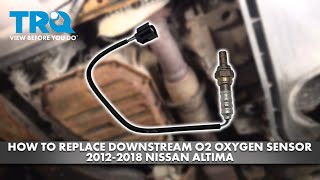
For a DIYer with the right tools, it's a manageable job. The upstream sensor is on the exhaust manifold at the front of the engine, and the downstream is under the car. 🎬 Watch how to easily replace the downstream sensor yourself. The biggest challenge is often removing the old sensor, which can be seized by rust. Using penetrating oil and a special O2 sensor socket (22mm or 7/8") is highly recommended.
What happens if I don't replace a bad O2 sensor?
You will continue to have poor fuel economy and performance. More seriously, running with a bad sensor can cause unburned fuel to enter the exhaust and destroy the catalytic converter, a repair that can cost over $1,000.
Helpful Videos
Technical Specifications
OEM Part Numbers: 22693-3TY0A 226A0-3TA0B 22693-3TY0B 226A0-6CC0B 226A0-6CA0A
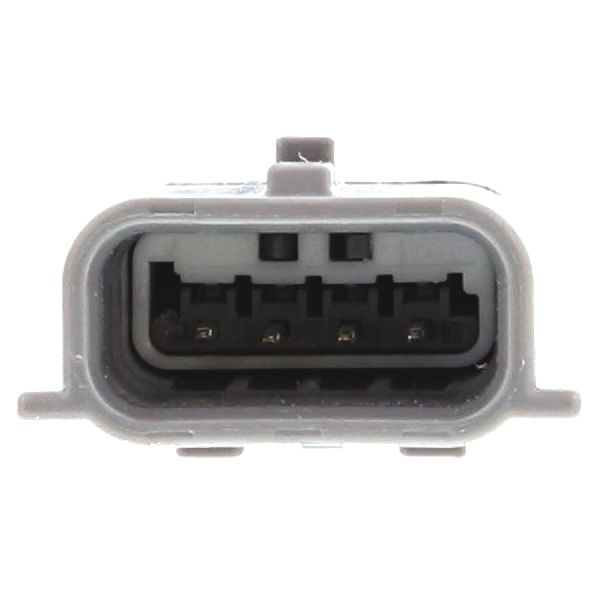
The 2015-2019 Nissan Altima with a 2.5L engine uses two heated, 4-wire oxygen sensors. The upstream sensor is an Air/Fuel Ratio Sensor, and the downstream is a monitoring sensor. The V6 model uses four sensors. A 22mm (or 7/8 inch) O2 sensor socket is required for removal and installation.
We Have This Part in Stock

The information in this article is provided for general reference and educational purposes only. Vehicle specifications, procedures, and part compatibility can vary by production date, trim level, and region. Always consult your vehicle's factory service manual and verify part numbers before purchasing or performing repairs. Safety-critical components such as airbags, seat belts, and braking systems should be installed by a qualified professional.
- Nissan Altima:
- 🎬 Helpful Videos
- 🛍️ Shop This Part
- Is Your Altima's Oxygen Sensor Failing?
- Key Symptoms of a Bad O2 Sensor:
- Known Issues for 2015-2016 Altimas
- Choosing the Right Aftermarket Oxygen Sensor
- Brand Quality Tiers
- Upstream vs. Downstream Sensors
- Oxygen Sensor Replacement Costs for a 2015-2019 Altima
- Frequently Asked Questions
- 🎟️ Get 5% Off