

Acura MDX Ignition Knock (Detonation) Sensor: A 2015-2020 Guide
Understand the signs of a failing knock sensor in your 2015-2020 Acura MDX and how to choose the right replacement part.
- A failing knock sensor on a 2015-2020 MDX commonly causes a Check Engine Light (P0325) and reduced engine power.
- Before replacing the sensor, inspect the wiring harness in the engine valley for rodent damage, a common issue on these vehicles.
- Replacement is labor-intensive as the sensor is located under the intake manifold, making professional installation costly.
- Loud engine knocking should be diagnosed immediately to rule out a serious engine bearing issue covered by a recall on 2016-2020 models.
Is Your Acura MDX Knock Sensor Failing?


A bad knock sensor can cause noticeable problems with your MDX's performance. Because the sensor's job is to protect the engine, the vehicle's computer will often reduce power to prevent damage when it receives a bad signal or no signal at all. This can make the SUV feel sluggish and unresponsive.
Key Symptoms of a Bad Knock Sensor
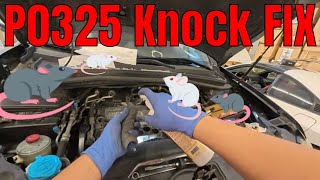
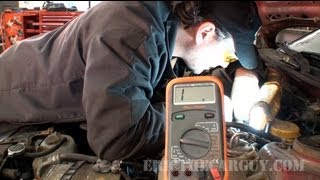
- Check Engine Light: This is the most common sign. The computer will store a trouble code, often P0325 (Sensor 1 Circuit Malfunction), P0330 (Sensor 2 Circuit Malfunction), or P0333 (Sensor 2 Circuit High Input). 🎬 Watch a professional mechanic diagnose common knock sensor circuit codes.
- Reduced Engine Power & Acceleration: Your MDX may feel slow or hesitate when you press the gas pedal. The engine computer defaults to a safe mode, limiting performance to prevent damage.
- Poor Fuel Economy: When the ignition timing isn't optimized, the engine doesn't burn fuel as efficiently, leading to more trips to the gas station.
- Audible Engine Knocking: You might hear a metallic pinging or knocking sound, especially when the engine is under load, like going up a hill. This indicates the sensor isn't detecting the knock and the computer isn't stopping it.
Important MDX-Specific Issues
Rodent Damage: The V6 engine in the 2015-2020 MDX has a known vulnerability. Rodents are often attracted to the warm valley of the engine block where the knock sensor and its wiring are located. They may chew through the wires, causing a sensor failure and a P0325 code. Before replacing the sensor, a visual inspection for chewed wires is essential.
🎬 Watch this step-by-step guide on repairing rodent-damaged knock sensor wiring.Engine Bearing Recall: Some 2016–2020 MDX models were recalled for improper connecting rod journal dimensions, which can cause severe engine knock and eventual engine failure. This is a serious mechanical issue, not a sensor problem. If you hear a loud engine knock, it is critical to have it diagnosed by a professional to rule out this major recall-related problem.
Choosing the Right Aftermarket Knock Sensor

When replacing the knock sensor on your MDX, you have a choice between OEM (Original Equipment Manufacturer) and aftermarket parts. Since the labor to access the sensor is significant, choosing a quality part is important to avoid doing the job twice.
OEM vs. Aftermarket Quality:
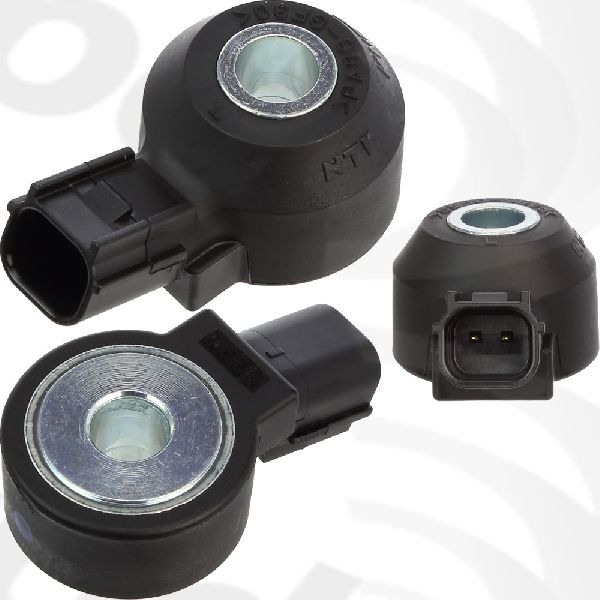
For many sensors, OEM is the safest bet. However, quality aftermarket brands produce reliable parts that meet or exceed original specifications. Brands like Standard Ignition (SMP) and Walker Products are established names in the aftermarket industry. Some professional mechanics report success with these brands, even when OEM parts have failed. Global Parts also offers replacement options. The key is to stick with a reputable aftermarket brand rather than a generic, unbranded part, especially for a sensor that is difficult to access.
Estimated Replacement Costs for 2015-2020 Acura MDX
| Part/Service | Estimated Cost |
|---|---|
| New OEM Part | $60 - $140 |
| New Aftermarket Part | $80 - $226 |
| Shop Labor | $303 - $444 |
| Total Professional Replacement | $526 - $680 |
A Note on Installation
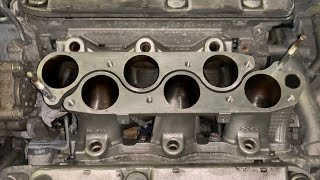
The knock sensor on the MDX V6 is located underneath the intake manifold. This means the manifold must be removed to access and replace the sensor. This is a labor-intensive job with a difficulty rating that is high for a beginner but feasible for an experienced DIYer. If you are paying a shop, be aware that most of the cost is labor.
Frequently Asked Questions

Can I still drive my MDX with a bad knock sensor?
You can usually drive, but it's not recommended for long. The engine computer will limit performance to protect the engine, so you'll have reduced power. If the sensor has completely failed and isn't detecting real, harmful engine knock, you could cause serious internal engine damage by continuing to drive. It's best to get it fixed promptly.
Where is the knock sensor located on the 2015-2020 Acura MDX?
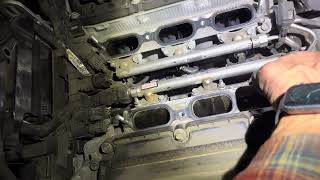
The knock sensor is located on the engine block, in the valley between the two cylinder heads, underneath the plastic intake manifold. 🎬 See how to remove the intake manifold to access the sensor. Because of this location, replacement is a complex job that requires removing the intake manifold.
Why is the replacement cost so high if the part is small?
The high cost comes from the labor involved. Mechanics need several hours to remove the intake manifold and other components to get to the sensor, and then put it all back together. The part itself is a smaller portion of the total bill.
Could a P0325 code be something other than the sensor?
Yes. On these Acura V6 engines, a very common cause for this code is rodent damage to the wiring harness leading to the sensor. The wires are in a location that critters find appealing. Always inspect the wiring for damage before buying a new sensor. It could also be a bad connection at the plug.
Helpful Videos
Technical Specifications
OEM Part Numbers: 30530-R1A-A01 30530-P8F-A01 30530-RNA-A01 30530-PPL-A01
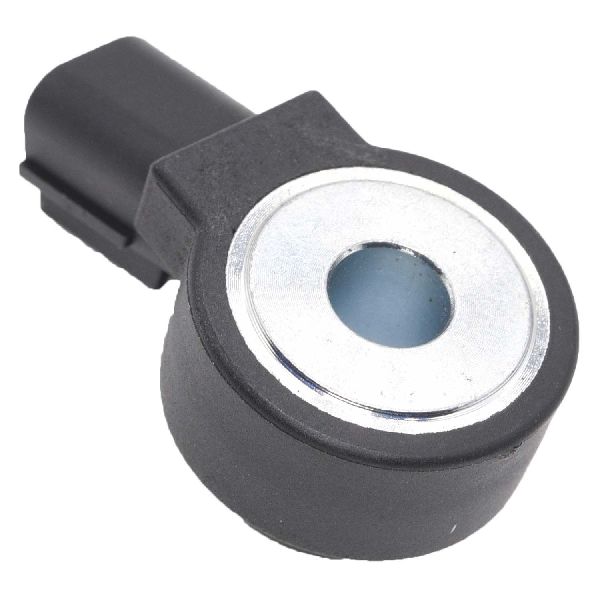
The knock sensor is a piezoelectric sensor typically mounted to the engine block. It generates a voltage signal when it detects vibrations characteristic of engine detonation. For the 2015-2020 MDX, accessing the sensor requires removal of the intake manifold.
We Have This Part in Stock


The information in this article is provided for general reference and educational purposes only. Vehicle specifications, procedures, and part compatibility can vary by production date, trim level, and region. Always consult your vehicle's factory service manual and verify part numbers before purchasing or performing repairs. Safety-critical components such as airbags, seat belts, and braking systems should be installed by a qualified professional.
- Acura MDX: