

Subaru Forester Engine Coolant Temperature Sensor Guide (2015-2022)
Understand the signs of a failing engine coolant temperature sensor and how to choose the right replacement for your Forester.
- A bad ECT sensor will usually trigger a Check Engine Light with codes like P0117 or P0118.
- Symptoms directly impact drivability, including poor fuel economy, rough idle, and potential overheating.
- For 2019-2021 models, check for a related Thermo Control Valve warranty extension (TSB 09-119-24).
- Replacement is a simple DIY job for most, but using a quality OEM or reputable aftermarket brand is recommended for accuracy.
Is Your Forester's Engine Coolant Temp Sensor Failing?

A faulty Engine Coolant Temperature (ECT) sensor can cause a variety of noticeable problems. Because the sensor's data is crucial for so many engine functions, a bad signal can lead to poor performance and potential engine damage if ignored. Recognizing the symptoms early can save you from more expensive repairs down the road.
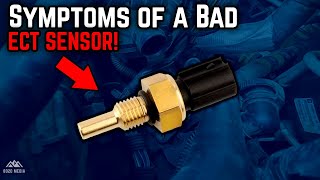
🎬 Watch this video to see common symptoms of sensor failure.Key Symptoms of a Bad ECT Sensor
- Check Engine Light: This is often the first sign. The vehicle's computer detects an incorrect signal from the sensor and triggers the light. Common trouble codes include P0117 (circuit low) and P0118 (circuit high).
- Poor Fuel Economy: If the sensor incorrectly tells the computer the engine is cold, the system will enrich the fuel mixture, causing the engine to burn more gas than necessary.
- Engine Overheating or Inaccurate Gauge: The sensor might fail to trigger the radiator fans, leading to overheating. Alternatively, the temperature gauge on your dashboard may give erratic readings, such as spiking to hot suddenly or staying on cold even when the engine is warm.
- Rough Idling or Hard Starting: A faulty sensor can send incorrect data, leading to an improper air-fuel mixture. This can make the engine difficult to start, or cause it to run rough and stumble at idle.
- Black Smoke from Exhaust: A rich fuel mixture caused by a bad sensor can result in unburnt fuel burning in the exhaust pipe, producing black smoke.
Known Issues, Recalls, and TSBs
For the 2015-2022 Subaru Forester, there are no direct recalls for the Engine Coolant Temperature Sensor itself. However, there have been related service bulletins:
- TSB 09-75-21: For 2019-2021 Foresters, a software update was issued to address a P0128 trouble code (Coolant Temperature Below Thermostat Regulating Temperature) that could appear during specific driving conditions, like long downhills. This was a logic update for the ECM, not a part failure.
- TSB 09-119-24: For 2019-2021 Foresters, Subaru extended the warranty on the Thermo Control Valve (TCV) to 15 years/150,000 miles due to a condition where coolant vapor could enter the sensor portion of the valve, causing DTCs P2682 and/or P26A**. While not the main ECT sensor, it is a related component in the cooling system.
- Recall WRO-23 (NHTSA 23V-723): This recall was for a small number of 2024 Foresters (49 vehicles) for a loose water pipe bolt that could cause a coolant leak. It does not apply to the 2015-2022 model years.
Choosing the Right Aftermarket ECT Sensor

When replacing the ECT sensor, you have a choice between OEM (Original Equipment Manufacturer) and aftermarket parts. For a critical sensor like this, quality is important.
- OEM Subaru Parts: These are the same parts your vehicle was built with, ensuring a perfect fit and reliable performance. They are the most expensive option but offer peace of mind. The OEM part number for many Foresters in this year range is 22630AA230.
- Aftermarket Parts (e.g., Standard Ignition, Global Parts): Aftermarket sensors can be a cost-effective alternative. Brands like Standard Motor Products (Standard Ignition) are generally considered reputable in the industry. However, quality can vary. Some forum users report that while aftermarket sensors work, they may not have the same precise calibration or longevity as OEM parts. For a sensor that directly impacts fuel economy and engine performance, sticking to a well-known brand or OEM is often recommended.
Pro Tip: When replacing the sensor, it's a good idea to also replace the O-ring or gasket to prevent coolant leaks. It's an inexpensive part that ensures a proper seal.
Cost to Replace a Subaru Forester ECT Sensor (2015-2022)
| Part/Service | Estimated Cost |
|---|---|
| New OEM Sensor | $50 - $80 |
| New Aftermarket Sensor | $15 - $82 |
| Shop Labor | $75 - $150 |
Frequently Asked Questions

Where is the ECT sensor located on a 2015-2022 Subaru Forester?
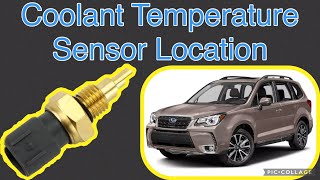
The ECT sensor is typically located on the engine block, near the thermostat housing. On many Subaru Forester models, it is easily accessible from the top of the engine bay.
🎬 See exactly where the sensor is located on your Forester.Can I replace the ECT sensor myself?
Yes, this is a DIY-friendly repair for many home mechanics. The sensor is usually easy to access and requires basic tools. The main steps involve draining a small amount of coolant, unplugging the electrical connector, unscrewing the old sensor, and installing the new one. The job typically takes less than an hour.
What do the trouble codes P0117 and P0118 mean?
P0117 means "Engine Coolant Temperature Sensor 1 Circuit Low." This indicates the computer is seeing a voltage lower than expected, which it interprets as an extremely high temperature. P0118 means "Engine Coolant Temperature Sensor 1 Circuit High," indicating a voltage higher than expected, which the computer sees as an extremely low (often freezing) temperature. Both codes point directly to a problem with the sensor or its circuit.
🎬 Learn how to diagnose P0117 and P0118 trouble codes.Should I buy an OEM or Aftermarket ECT sensor?
For critical sensors, OEM is often the safest bet for guaranteed accuracy and longevity. However, reputable aftermarket brands like Standard Ignition can offer a good balance of quality and value. Avoid the cheapest, no-name options, as their accuracy can be questionable and lead to other performance issues.
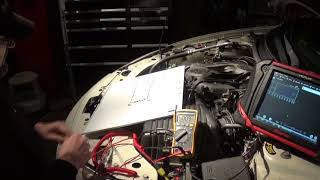
Helpful Videos
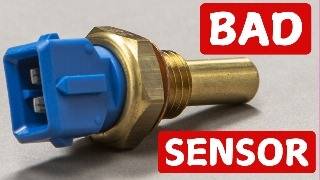
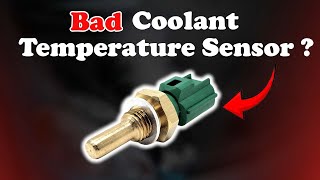
Technical Specifications
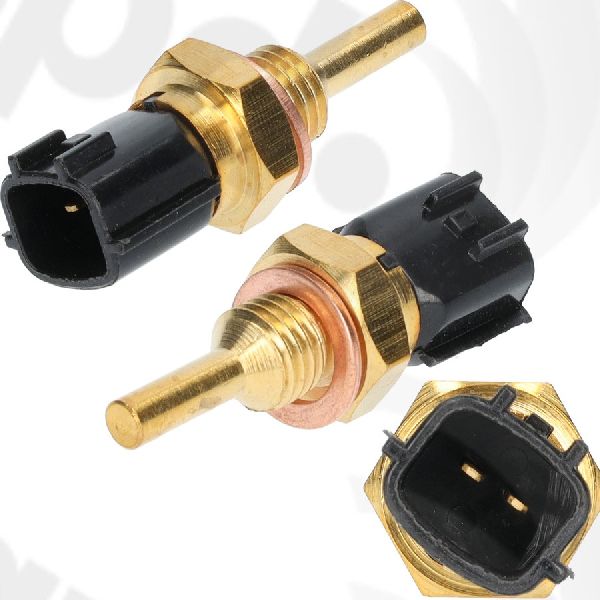
OEM Part Numbers: 22630AA230 22630AA27A
The ECT sensor is a thermistor, a type of resistor whose resistance changes with temperature. The vehicle's computer sends a 5-volt reference signal to the sensor and reads the return voltage to determine the coolant temperature.
We Have This Part in Stock


The information in this article is provided for general reference and educational purposes only. Vehicle specifications, procedures, and part compatibility can vary by production date, trim level, and region. Always consult your vehicle's factory service manual and verify part numbers before purchasing or performing repairs. Safety-critical components such as airbags, seat belts, and braking systems should be installed by a qualified professional.
- Subaru Forester: