

Honda Odyssey Automatic Transmission Mount Failures Explained (2015-2025)
Feeling a clunk or vibration in your van? Your transmission mount might be the problem.
- A clunk when shifting or a new vibration are the most common signs of a failing transmission mount.
- Driving with a bad mount can cause damage to other parts; it's best to replace it soon.
- For standard transmission mounts, premium aftermarket brands like Pioneer offer good quality, while OEM is best for active engine mounts.
- Inspect all engine and transmission mounts at the same time, as one failure puts stress on the others.
Is Your Odyssey Shaking or Clunking?

A failing transmission mount is a common issue as a vehicle ages. In the Honda Odyssey, which uses a powerful V6 engine, these mounts work hard to control powertrain movement. When the rubber cracks or the internal hydraulic fluid (in some designs) leaks, the mount can no longer do its job effectively. This leads to noticeable symptoms that can be felt and heard inside the van.
Symptoms of a Bad Transmission Mount

If your Odyssey's transmission mount is failing, you'll likely notice one or more of these signs:
- Vibrations: You may feel a new, excessive vibration through the floor, seats, or steering wheel, especially when accelerating or when the transmission is in gear.
- Clunking Noises: A loud 'clunk' or 'bang' when you shift from Park to Drive or Reverse is a classic sign. This sound is the transmission moving excessively and hitting the frame.
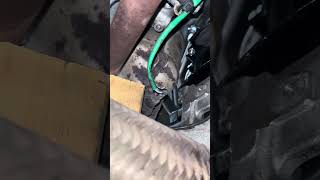
- Engine Movement: If you have a helper, you can observe the engine while they shift from Drive to Reverse with their foot on the brake. Significant lurching or rocking of the engine is a clear indicator of a bad mount. 🎬 Watch: How to identify and locate a failing mount.
Vibration vs. Judder
Some Odyssey models have known issues with transmission software or fluid that can cause a 'judder' or shuddering feeling. This is different from the constant vibration of a bad mount. Before replacing a mount for a vibration issue, it's wise to rule out any Technical Service Bulletins (TSBs) related to the transmission itself.
Choosing the Right Aftermarket Mount

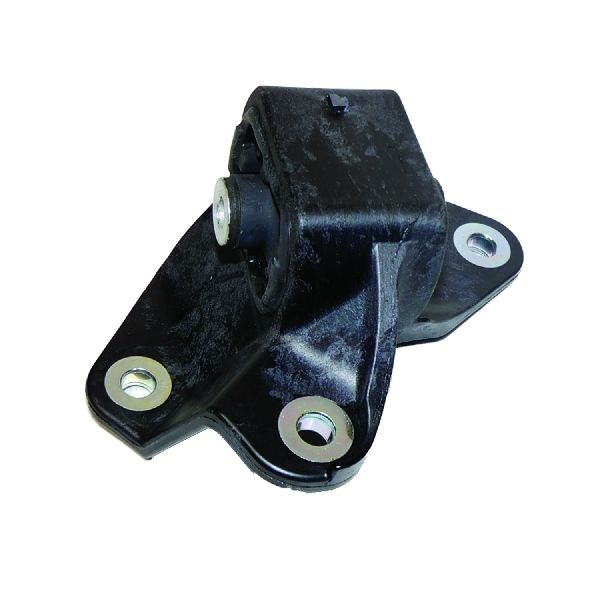
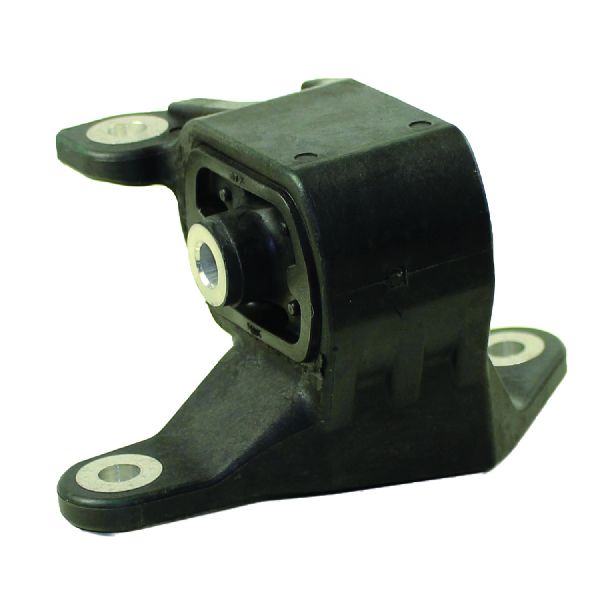
When replacing your transmission mount, you have a choice between Original Equipment (OEM) and aftermarket parts. For the Odyssey, some engine mounts are active (electronically controlled) to counteract vibrations from the Variable Cylinder Management (VCM) system. For these active mounts, using an OEM part is highly recommended. For standard rubber transmission mounts, aftermarket options can be a good value.
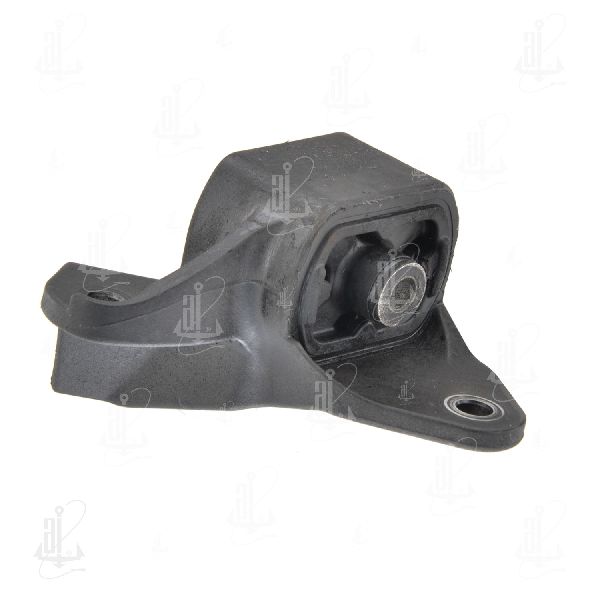
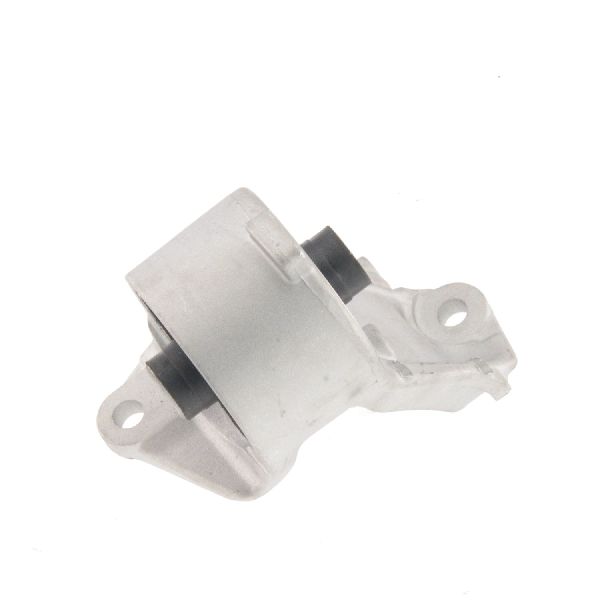
- Premium Aftermarket (Pioneer): Often considered to be very close to OEM quality. These mounts are designed to fit correctly and use rubber compounds that effectively absorb vibration.
- Standard Aftermarket (Anchor, DEA): These brands offer a more budget-friendly option. While they will function, some professional mechanics and users report they may not last as long or control vibration as perfectly as OEM or premium aftermarket parts. They can be a good choice if you're on a tight budget, but be aware you might be doing the job again sooner.
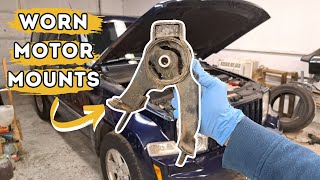
Pro Tip: When a mount fails, it often puts extra stress on the other engine and transmission mounts. It's good practice to inspect all of them at the same time and replace them in sets if they show 🎬 See this walkthrough for replacing the rear mount on 2011-2017 models. signs of wear or cracking.
Estimated Replacement Costs
| Part Type | Estimated Part Cost |
|---|---|
| New Aftermarket | $51 - $77 |
| New OEM | $140 - $215 |
| Shop Labor | $100 - $200 |
Frequently Asked Questions

Can I drive with a bad transmission mount?
You can, but it's not recommended for long. Continued driving allows for excessive movement that can damage other, more expensive parts like CV axles, exhaust pipes, and wiring harnesses. It's best to get it replaced as soon as possible.
Is replacing a transmission mount a DIY job?
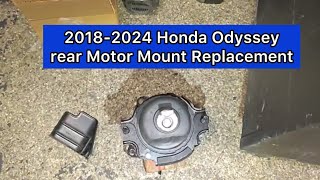
Yes, for a mechanically inclined person with the right tools. The basic process involves safely supporting the transmission with a jack and a block of wood, then unbolting and replacing the mount. It often requires removing a wheel and fender liner 🎬 Watch: Step-by-step rear motor mount replacement for 2018-2024 Odysseys. for access. If you're not comfortable working under your vehicle, it's best to leave this job to a professional.
Are there any recalls for the Odyssey transmission mount?
As of early 2026, there are no specific recalls for the automatic transmission mount on 2015-2025 Honda Odysseys. There have been other recalls and investigations related to the engine and transmission for certain model years, but not the mounts themselves.
Why do Honda Odyssey mounts fail?
Mounts are considered a wear-and-tear item. The rubber breaks down over time from heat, stress, and exposure to fluids. On Odysseys with Variable Cylinder Management (VCM), the engine mounts (especially the active ones) work harder to cancel out vibrations when the engine runs on fewer cylinders, which can lead to a shorter lifespan. Disabling the VCM is a popular modification among owners to extend mount life.
Helpful Videos
Technical Specifications
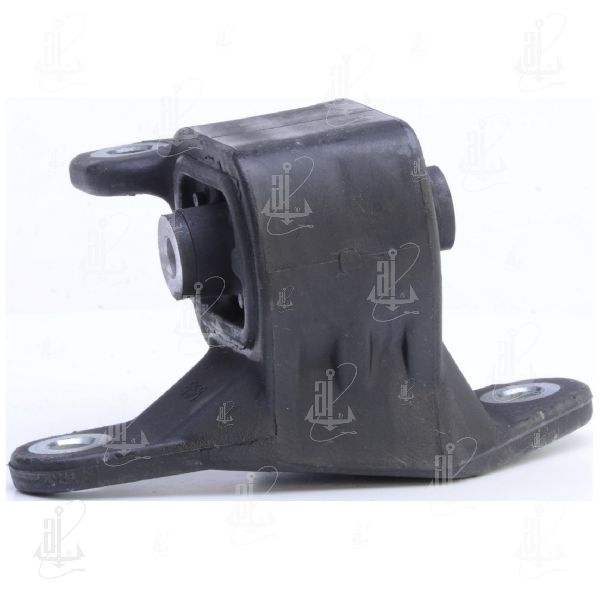
OEM Part Numbers: 50850-THR-A02 50850-SZA-A01
The 2015-2017 Odyssey (4th Gen) and 2018-2025 Odyssey (5th Gen) use different transmission mounts. The 4th gen uses a 6-speed automatic transmission, while the 5th gen uses a 9-speed or 10-speed automatic. Part numbers differ by generation and sometimes transmission type. Always verify fitment with your vehicle's specific year and model.
We Have This Part in Stock

The information in this article is provided for general reference and educational purposes only. Vehicle specifications, procedures, and part compatibility can vary by production date, trim level, and region. Always consult your vehicle's factory service manual and verify part numbers before purchasing or performing repairs. Safety-critical components such as airbags, seat belts, and braking systems should be installed by a qualified professional.
- Honda Odyssey: